
 Save
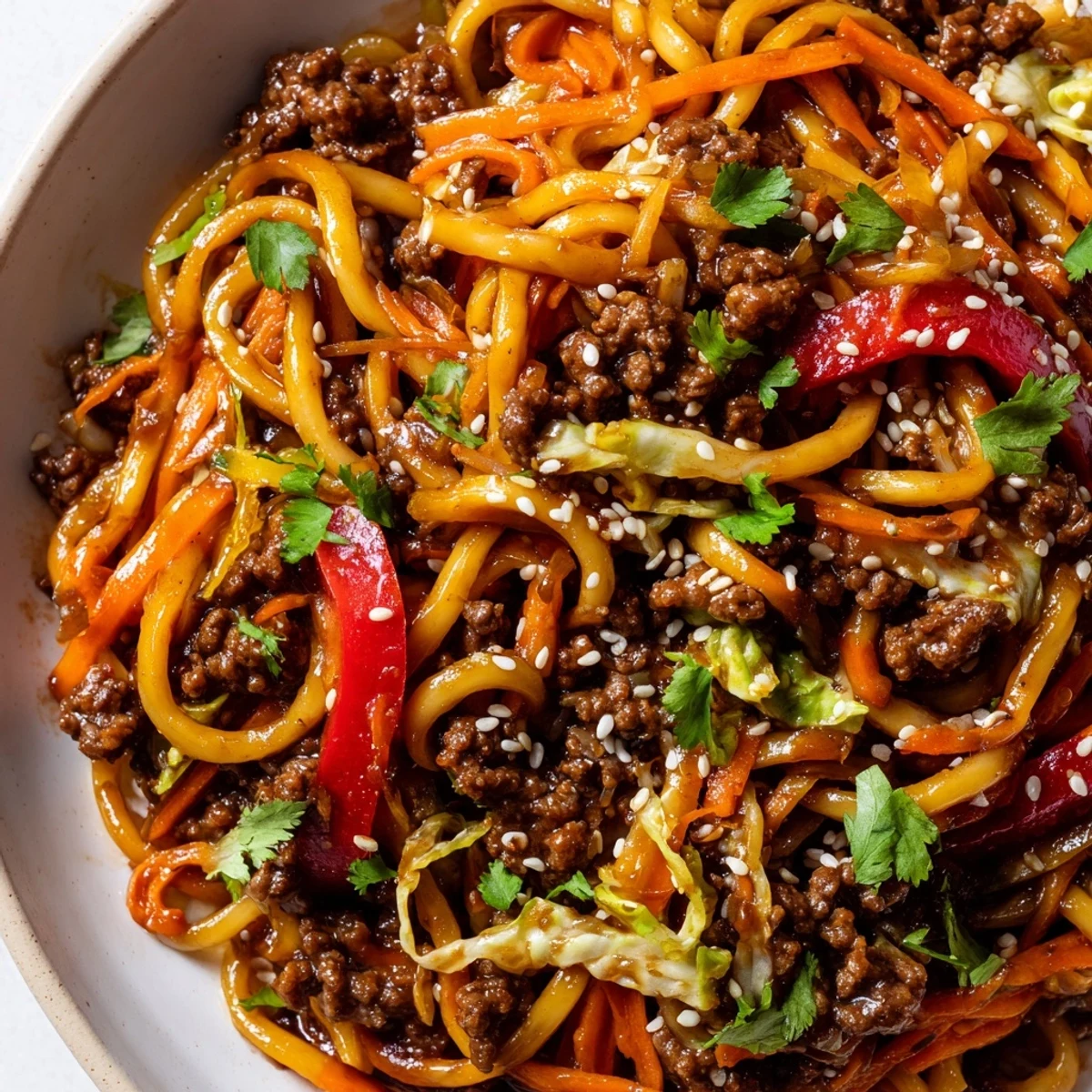
Save This hearty noodle dish combines browned ground beef with julienned carrots, bell peppers, and shredded cabbage, all coated in a savory blend of soy, oyster, and hoisin sauces. The balance of sweet and salty flavors creates restaurant-quality results at home.
Ready in under 40 minutes, this versatile main works beautifully for weeknight dinners. The sauce clings perfectly to egg noodles or ramen, while vegetables add satisfying crunch. Garnish with sesame seeds and fresh herbs for extra texture and color.
The first time I made these noodles, my kitchen smelled like a busy restaurant on a Friday night. That combination of sizzling beef, ginger hitting hot oil, and the sweet aroma of hoisin sauce had my roommate wandering in from the living room with big eyes. Now its the meal I turn to when I want something that feels special but comes together in the time it takes to boil water.
Last winter, my friend Sarah came over exhausted from a twelve hour shift at the hospital. I made a double batch of these noodles, and we stood at the counter eating straight from the wok while she vented about her day. Something about hot, slurpable noodles and rich beef just makes problems feel smaller.
Ingredients
- Ground beef: I like using 85/15 ratio because you want some fat to carry all those sauce flavors
- Egg noodles or ramen: Fresh noodles are ideal but dried work perfectly fine, just dont overcook them
- Carrot and bell pepper: These add sweetness and crunch that balances the salty sauce
- Shredded cabbage: It wilts beautifully into the noodles and stretches the serving
- Garlic and ginger: Fresh makes all the difference here, paste just doesnt have the same punch
- Soy sauce: The backbone of the sauce, providing salt and umami
- Oyster sauce: This is the secret ingredient that gives restaurant style depth
- Hoisin sauce: Adds a beautiful sweetness that rounds everything out
- Brown sugar: Just enough to caramelize slightly and balance the salty elements
- Sesame oil: A little goes a long way for that signature nutty finish
- Red pepper flakes: Optional but I always add them for gentle background warmth
- Sesame seeds: Toasted sesame seeds add a lovely nutty crunch and visual appeal
Instructions
- Get your noodles ready first:
- Cook them according to the package, then rinse briefly with cold water to stop the cooking and prevent sticking
- Whisk up the sauce:
- Mix all the sauce ingredients in a small bowl until the sugar completely dissolves
- Brown the beef:
- Cook it in a hot wok or skillet, breaking it apart with your spoon, until its no longer pink
- Build the aromatics:
- Toss in the garlic and ginger, stirring constantly for about a minute until you can really smell them
- Add the vegetables:
- Throw in the carrots, peppers, and cabbage, stir frying until they soften but still have some crunch
- Bring it together with sauce:
- Pour in your sauce mixture and let it bubble for a couple minutes to thicken slightly
- Toss in the noodles:
- Add the cooked noodles and toss everything together until theyre coated in sauce and heated through
- Finish with garnish:
- Sprinkle with sesame seeds and fresh herbs right before serving
 Save
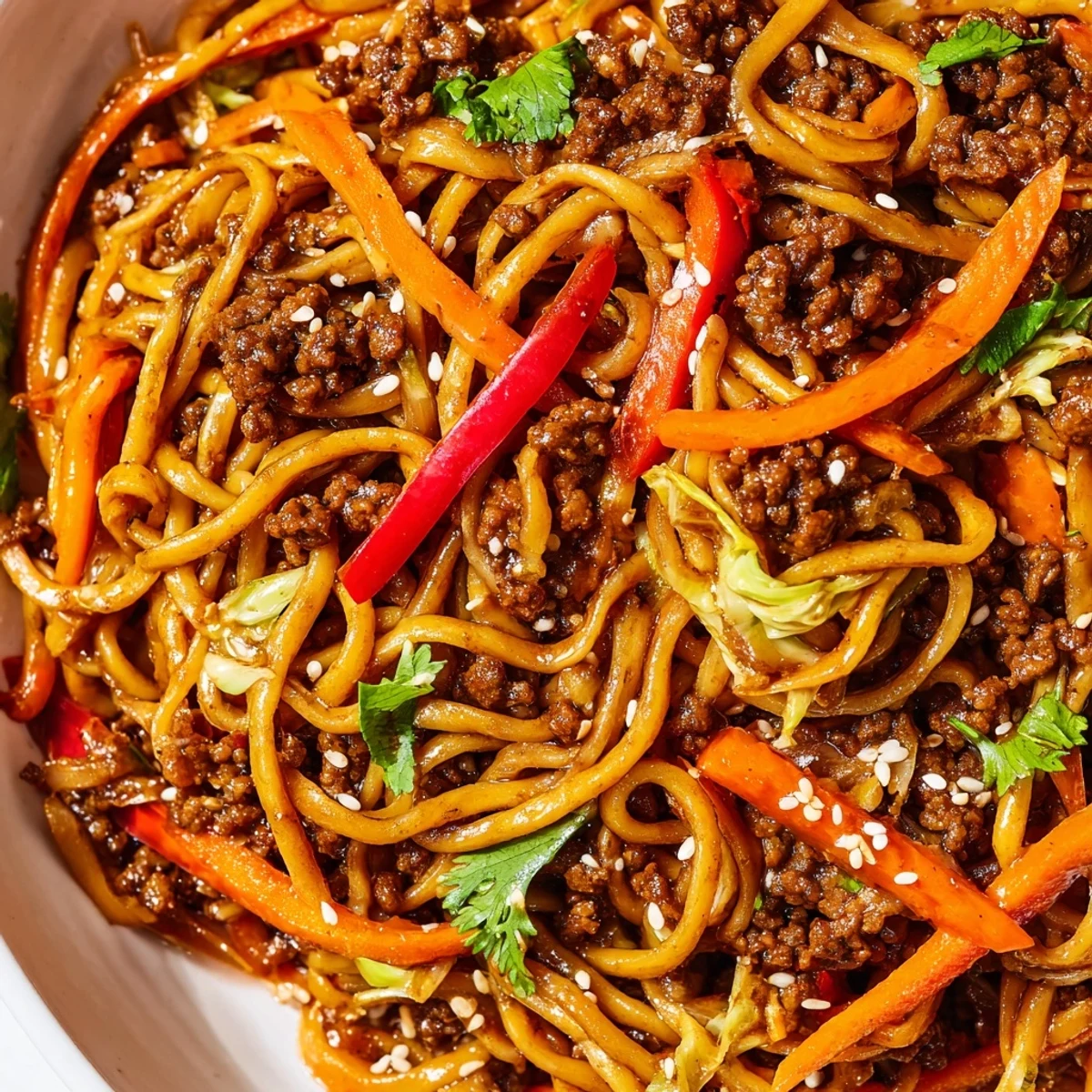
Save My daughter who swears she hates cabbage ate three helpings before I told her what was in it. Thats the magic of a really good sauce, it makes vegetables disappear into something delicious instead of feeling like a health obligation.
Make It Your Own
Some nights I swap ground pork or turkey for the beef, and honestly, I can barely tell the difference once all that sauce gets involved. If I have leftover roasted vegetables from dinner the night before, they get thrown in too. The recipe forgives all kinds of substitutions.
The Rice Noodle Option
When my gluten free brother visits, I use wide rice noodles instead of egg noodles and tamari in place of soy sauce. They soak up the sauce differently, more silken and slippery, but that soy honey sesame flavor combination still sings. Everyone reaches for seconds regardless of the noodle choice.
Scaling For Meal Prep
Ive learned to double the sauce when meal prepping this dish because the noodles really drink it up overnight in the fridge. Leftovers actually develop deeper flavors as everything marries together in the container.
- Cook the noodles slightly al dente since they soften more when reheated
- Store the garnish separately and add it fresh before serving leftovers
- A splash of water helps loosen everything when reheating
 Save
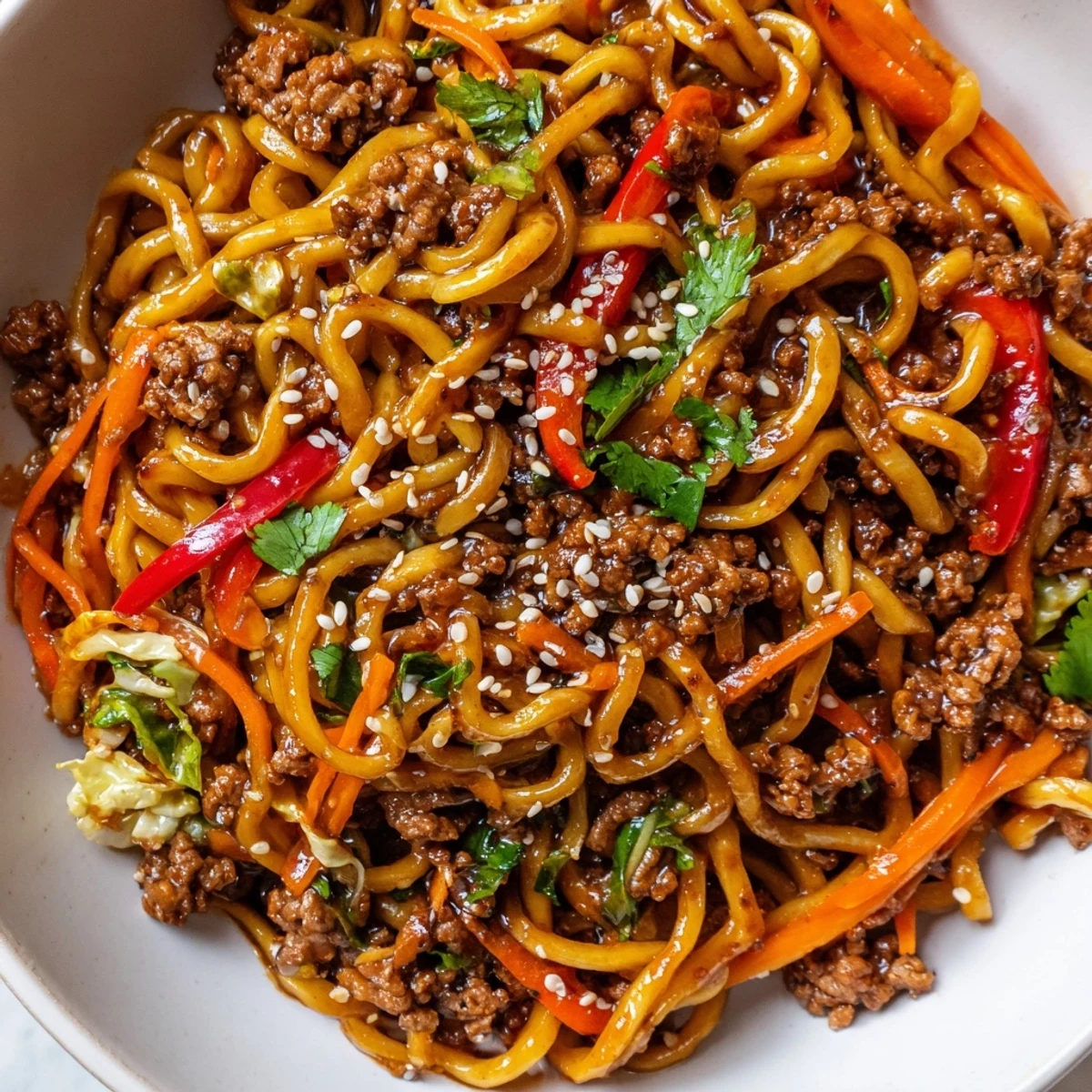
Save Theres something deeply satisfying about slurping these noodles directly from the bowl, sauce splashing, vegetables flying. Simple food, happily eaten.
Common Recipe Questions
- → Can I make this gluten-free?
-
Yes. Substitute regular soy sauce with tamari and choose gluten-free rice noodles or buckwheat soba instead of egg noodles. Always check sauce labels to ensure they meet your dietary needs.
- → What vegetables work best in this dish?
-
The recipe calls for carrot, bell pepper, and cabbage, but you can easily add snap peas, baby corn, mushrooms, or broccoli. Slice vegetables thinly for even cooking and better texture.
- → Can I prepare the sauce ahead of time?
-
Absolutely. Mix the sauce ingredients together and store in an airtight container in the refrigerator for up to a week. This makes meal prep even faster on busy nights.
- → What type of noodles should I use?
-
Egg noodles or ramen work wonderfully. For gluten-free options, try rice noodles, soba, or even spaghetti. The key is cooking them al dente so they hold up during tossing.
- → How can I adjust the spice level?
-
The red pepper flakes provide gentle heat. Increase them for more spice, or add sriracha or chili garlic sauce. For milder flavor, simply omit the flakes entirely.
- → Can I use ground pork or turkey instead?
-
Ground pork works exceptionally well with these flavors. Turkey is leaner and may require a splash more oil or sauce. Both alternatives maintain the dish's satisfying character.