
 Save
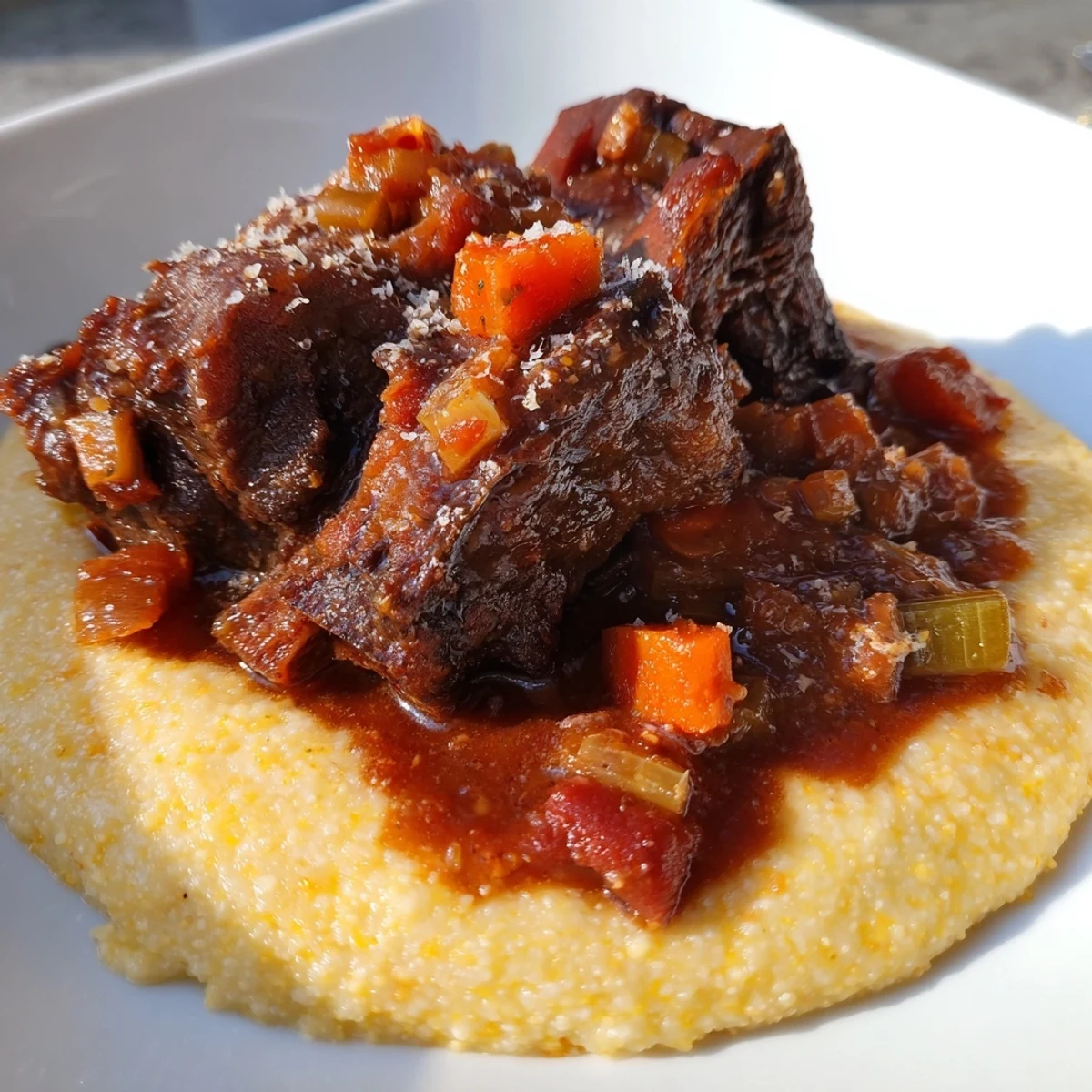
Save These beef short ribs are braised slowly to achieve a melt-in-your-mouth texture, enhanced by a savory red wine and tomato reduction. The dish is completed with a bed of creamy, buttery polenta that absorbs the rich sauce perfectly. Ideal for a hearty dinner, this combination balances tender meat with comforting grains.
There's something about the smell of beef braising in red wine that stops you mid-afternoon and makes you remember why you love cooking. Years ago, I'd pull a Dutch oven from the oven after three hours to find meat so tender it fell from the bone at the gentlest nudge—that moment taught me patience tastes better than rushing. Serving it over silky polenta felt like the kind of thing you'd find in a quiet Italian restaurant, except it was happening at my own table. Now whenever I make this, I'm transported back to that realization: the best dishes aren't complicated, they just need time and attention.
I made this for my sister's birthday dinner once, and watching her face when she cut into the ribs and they practically dissolved—that's when I knew this recipe was a keeper. The whole kitchen smelled like red wine and herbs, and someone kept coming back for just one more bite. It's one of those dishes that tastes fancy but makes everyone feel welcomed and cared for, like you've shared something real.
Ingredients
- Beef short ribs, bone-in (4 lbs): Bone-in meat keeps the marrow sweet and adds body to the braising liquid—don't reach for boneless cuts here.
- Kosher salt and black pepper: Season boldly at the start, before browning; it's your only chance to build a flavorful crust.
- Olive oil (2 tbsp): Use enough to coat the bottom of your pot and hear it sizzle when the ribs hit it.
- Onion, carrots, and celery: This trio (the soffritto base) is what gives the braising liquid its hidden depth—don't skip dicing them small enough to soften quickly.
- Garlic (4 cloves): Mince it fine so it melts into the sauce rather than sitting in chunks.
- Tomato paste (2 tbsp): Toast it slightly in the hot pan before adding liquid; this deepens the flavor in a way that's hard to replicate.
- Dry red wine (2 cups): Choose a wine you'd drink—it becomes the backbone of your sauce, so cheap wine means cheap-tasting results.
- Beef broth (2 cups): Quality matters; look for ones with real meat, not just salt and water.
- Crushed tomatoes (1 cup): A can works perfectly; it adds brightness and body without overpowering the beef.
- Fresh thyme, rosemary, and bay leaves: These herbs are gentle background singers; they should flavor the sauce, not overpower it.
- Polenta or coarse cornmeal (1 cup): Don't confuse this with cornflour or instant polenta (though instant works in a pinch)—the texture difference matters.
- Whole milk, unsalted butter, and Parmesan (creamy polenta base): All three together make the polenta luxurious; skip any one and it becomes thin or bland.
Instructions
- Heat your oven and prep the ribs:
- Set the oven to 325°F—this gentle heat ensures the ribs cook evenly without the outside drying out. Pat the ribs dry with paper towels and season both sides generously with salt and pepper; moisture on the surface will steam rather than brown.
- Brown the ribs until they're golden:
- Heat olive oil in your Dutch oven over medium-high heat until it shimmers. Working in batches so you don't crowd the pan, place ribs in and listen for that immediate sizzle—that's when you know the heat is right. Resist the urge to move them; let them sit for 3-4 minutes per side until they develop a deep brown crust, then transfer to a plate.
- Build the aromatic base:
- In the same pot, add diced onion, carrots, and celery. The fond stuck to the bottom of the pan—those little browned bits—will flavor everything, so stir often as the vegetables soften and release their sweetness, about 5 minutes. Add garlic and let it bloom for just a minute until fragrant.
- Deepen the flavor with tomato paste:
- Push the vegetables to the sides and add tomato paste to the empty space. Let it sit for about 2 minutes, stirring occasionally until it darkens slightly and smells rich and concentrated.
- Deglaze with red wine:
- Pour in the red wine slowly, scraping the bottom of the pot with a wooden spoon to lift all those flavorful browned bits. Let it simmer for 5 minutes—this reduces the raw alcohol taste and concentrates the wine's character.
- Return the ribs and add the braising liquid:
- Add beef broth, crushed tomatoes, thyme, rosemary, and bay leaves. Return the ribs (and any juices that accumulated) to the pot and bring everything to a gentle simmer.
- Braise low and slow in the oven:
- Cover the Dutch oven with its lid and transfer to the preheated 325°F oven. Let it braise for 2.5 to 3 hours, checking halfway through—the liquid should stay at a gentle bubble, not a rolling boil. The ribs are ready when the meat pulls away from the bone with the barest resistance.
- Make the polenta while the ribs cook:
- About 30 minutes before the ribs finish, bring water to a boil in a saucepan. Whisk in polenta slowly in a thin stream to avoid lumps, then reduce heat to low. Stir frequently for 20-25 minutes until it's thick, creamy, and pulling away slightly from the sides of the pan when you stir.
- Finish the polenta with richness:
- Remove from heat and stir in milk, butter, and Parmesan until smooth and glossy. Taste and season with salt and pepper; it should taste like comfort.
- Rest and finish the short ribs:
- Remove the Dutch oven from the oven. Discard the herb sprigs and bay leaves. Skim any excess fat from the surface with a spoon or ladle. Taste the sauce and adjust seasoning—it might need a pinch more salt or a grind of pepper.
- Serve with warmth:
- Spoon creamy polenta into shallow bowls, top with a rib or two, and ladle the braising sauce over everything. A shower of fresh Parmesan and a few torn herbs look beautiful and taste even better.
 Save
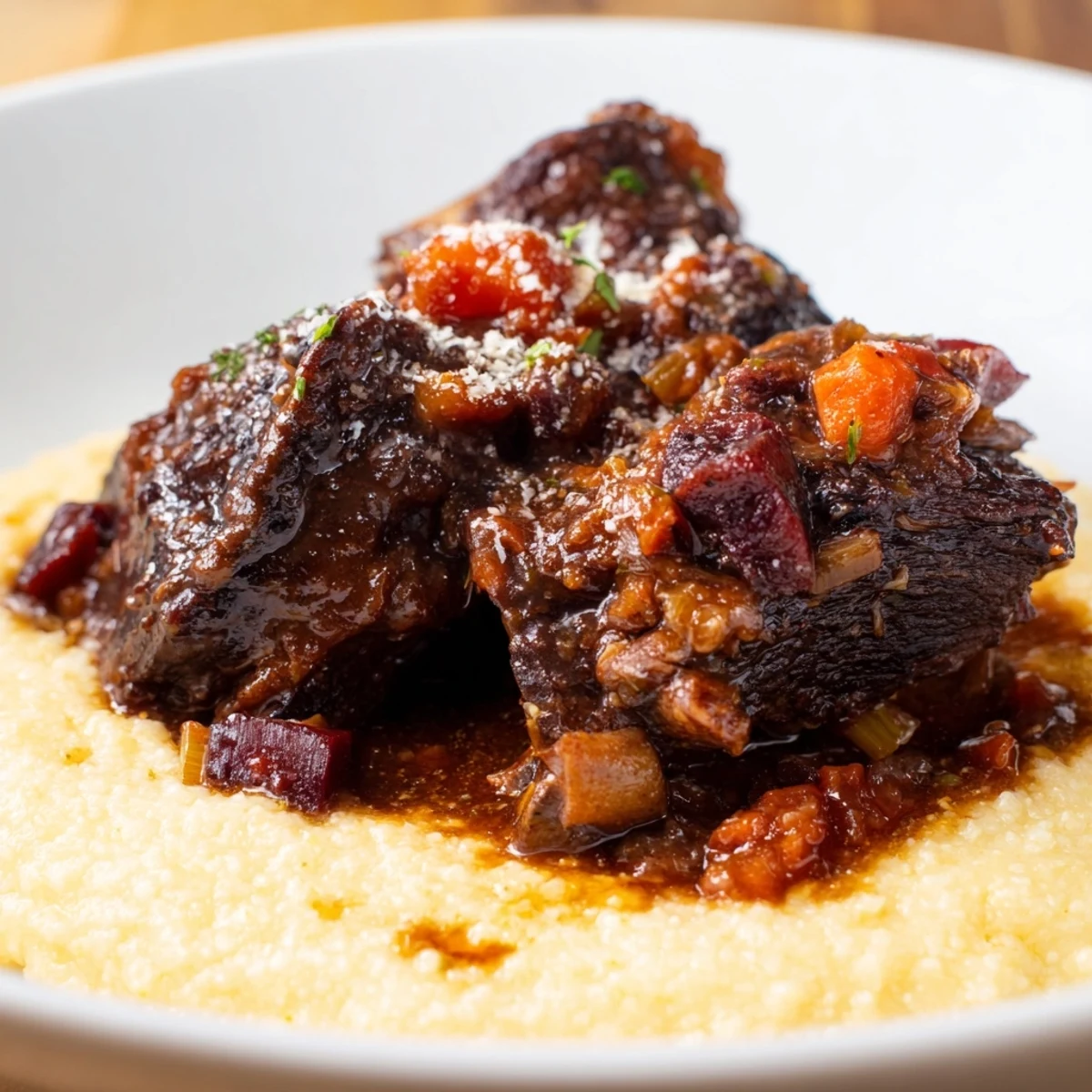
Save I remember my grandmother teaching me that slow-cooked meat wasn't about showing off—it was about honoring the ingredient enough to give it time. These ribs, after all those hours, become something almost unrecognizable from what went in, transformed into pure tenderness. That transformation is the whole point of cooking, isn't it.
The Science Behind the Braise
Braising works because low, moist heat breaks down collagen in tougher cuts of meat, turning it into gelatin that makes the sauce silky and the meat fall-apart tender. The wine isn't just flavor—its acidity helps break down the collagen while the long cooking allows all the flavors to marry and deepen. This is why you can't rush it; the transformation happens slowly and needs the full time to complete.
Wine Pairing and Serving
Serve this with a bold red wine that matches the richness of the dish—a Cabernet Sauvignon or Barolo won't fight the beef but will complement its depth. The beauty of this meal is that it's elegant enough for a special dinner but comfortable enough for a quiet night at home with people you love. Consider a simple green salad or crusty bread alongside to balance the richness and soak up every drop of sauce.
Variations and Make-Ahead Options
This dish actually improves if made a day or two ahead—the flavors settle and deepen, and the fat rises to the top where it's easy to skim. You can refrigerate the whole braise and reheat it gently on the stovetop or in a 300°F oven until warmed through. For a quicker polenta, instant varieties work fine (just follow package directions), or swap it for mashed potatoes or creamy cauliflower purée if you prefer.
- Make-ahead tip: Braise the ribs up to three days in advance, then reheat gently before serving with fresh polenta.
- Marinating secret: For even deeper flavor, let the ribs sit overnight in red wine with crushed garlic and herbs before browning.
- Final thought: Always taste and adjust seasoning just before serving—salt is the last thing you fine-tune when everything is hot and ready to eat.
 Save
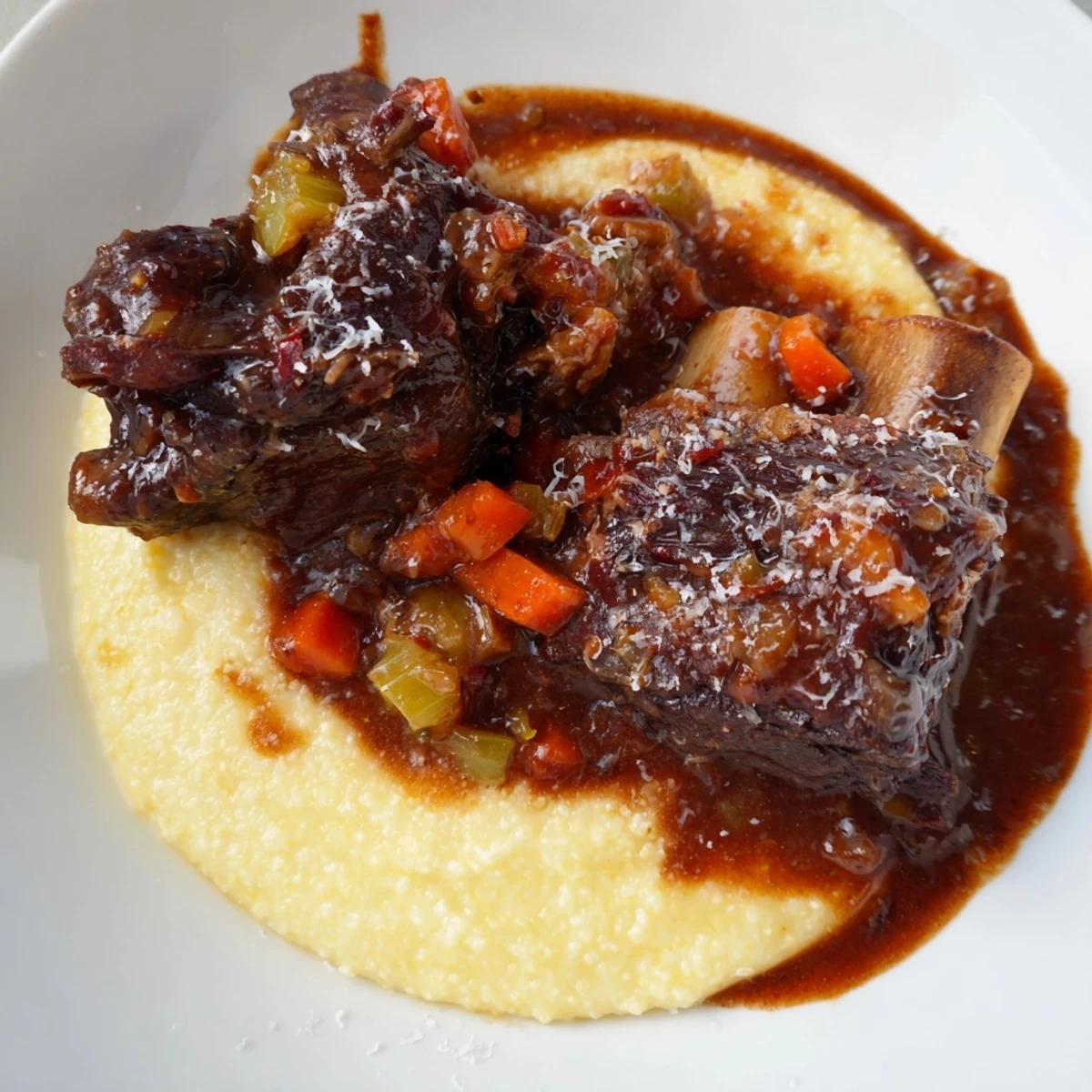
Save This is the kind of meal that fills your kitchen with warmth and your table with people who want to stay a little longer. Make it, and you'll understand why slow cooking never goes out of style.
Common Recipe Questions
- → What cut of meat is best?
-
Bone-in beef short ribs are ideal because they provide rich flavor and become very tender during long cooking.
- → What type of wine should I use?
-
Use a dry red wine like Cabernet Sauvignon, Merlot, or Pinot Noir that you would enjoy drinking.
- → Can I make this on the stovetop?
-
Yes, after browning and simmering, you can reduce the heat to low and cover tightly, checking occasionally to ensure it doesn't dry out.
- → How do I store leftovers?
-
Store in an airtight container in the refrigerator for up to three days; the flavor often deepens the next day.
- → What can I serve instead of polenta?
-
Mashed potatoes, creamy risotto, or cauliflower puree make excellent substitutes for polenta.
- → Do I need to brown the meat first?
-
Browning the ribs creates a fond, or browned bits, which adds significant depth and complexity to the sauce.