
 Save
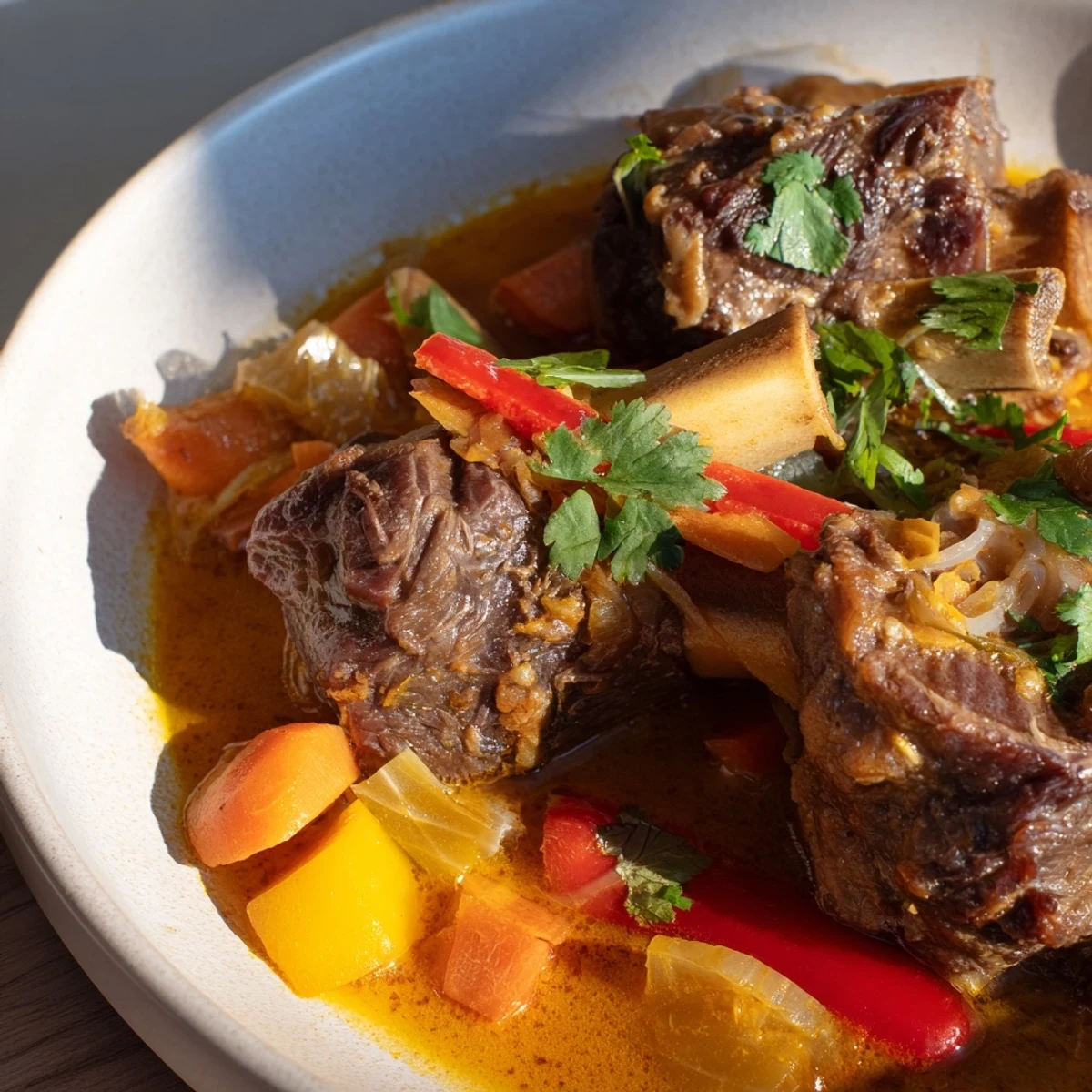
Save Succulent beef ribs are seared to golden perfection, then slowly simmered for over two hours in a fragrant blend of lemongrass, ginger, turmeric, and coriander. The addition of coconut milk creates a velvety sauce that balances the rich beef flavors with subtle Southeast Asian sweetness. Perfect for pairing with jasmine rice or crusty bread, this ragu develops depth as the meat becomes meltingly tender and the sauce thickens into a luxurious coating.
The first time I encountered Cambodian Rib Ragu was at a tiny family-run restaurant in Phnom Penh where the owner's grandmother stirred a massive pot behind the counter for hours. She told me the secret was patience and the way coconut milk transforms from separate layers into something silky and unified. I spent three afternoons watching her cook, taking frantic notes on the back of napkins. Now this ragu is my go-to for winter dinner parties when I want something that feels both exotic and deeply comforting.
I made this for my sister's birthday last February during that brutal cold snap that had everyone staying inside. She took one bite and declared it the best thing I'd ever cooked then promptly asked for the recipe to impress her new boyfriend. The best part was watching six people huddled around my dining table passing serving spoons and dipping crusty bread into the sauce until the bowl was literally clean.
Ingredients
- 1.2 kg beef short ribs bone-in: Bone-in ribs deliver deeper flavor and the collagen creates that luxurious body in the sauce that you cant get from boneless meat
- 2 medium yellow onions finely chopped: Yellow onions become sweet and mellow after long cooking creating a perfect foundation for the spices
- 4 cloves garlic minced: Garlic mellows beautifully in the long simmer losing its harsh edge while still adding depth
- 2 medium carrots sliced: Carrots add natural sweetness and hold their shape nicely even after hours of cooking
- 2 celery stalks sliced: Celery provides that classic aromatic base note that bridges Western and Southeast Asian flavors
- 1 red bell pepper diced: Red bell pepper brings subtle sweetness and vibrant color to the finished dish
- 1 large tomato chopped: Fresh tomato breaks down completely adding acidity and body without the concentrated sweetness of canned
- 1 lemongrass stalk trimmed and finely minced white part only: Lemongrass is essential for that signature citrusy floral note that makes this distinctly Cambodian
- 3 cm piece fresh ginger grated: Fresh ginger adds warmth and zing that dried ginger can never replicate
- 1 tbsp fish sauce: Fish sauce provides umami depth and saltiness without making the dish taste fishy
- 2 tbsp soy sauce: Soy sauce adds a savory richness and beautiful deep color to the sauce
- 1 tbsp palm sugar or brown sugar: Just enough sugar to balance the acidity and bring all the flavors together
- 1 tsp ground black pepper: Black pepper adds gentle heat and complexity without overpowering delicate spices
- 1/2 tsp ground turmeric: Turmeric gives the sauce its gorgeous golden hue and subtle earthy flavor
- 1/2 tsp ground coriander: Coriander adds bright citrusy notes that complement the lemongrass perfectly
- 1/2 tsp chili flakes optional: Adjust this to your heat preference but a little warmth helps balance the rich coconut
- 2 bay leaves: Bay leaves add subtle herbal depth to the long simmering sauce
- 400 ml coconut milk: Full-fat coconut milk creates the velvety texture and carries all the spices throughout the dish
- 400 ml beef stock: Good quality beef stock forms the savory backbone of the ragu
- 1 tbsp vegetable oil: A neutral oil with high smoke point for properly searing the ribs
Instructions
- Prepare and sear the beef ribs:
- Pat the ribs completely dry with paper towels then season generously with salt and pepper. Heat the oil in your Dutch oven over medium-high heat until shimmering then sear the ribs in batches until deeply browned on all sides. This step creates the fond that will become the base of your sauce so dont rush it. Set the browned ribs aside on a plate.
- Build the aromatic base:
- Reduce the heat to medium and add onions garlic ginger lemongrass carrots celery and bell pepper to the same pot. Cook for 5 to 7 minutes stirring frequently until the vegetables are softened and the kitchen smells amazing. Stir in the turmeric coriander chili flakes and bay leaves cooking for just 1 minute until fragrant. Add the chopped tomato and cook another 2 minutes until it starts to break down.
- Combine and simmer slowly:
- Return the ribs to the pot along with any accumulated juices. Stir in the fish sauce soy sauce and palm sugar making sure everything is well combined. Pour in the coconut milk and beef stock adding just enough liquid to almost cover the ribs. Bring everything to a gentle simmer then cover tightly and reduce heat to low. Let it simmer undisturbed for 2 to 2 ½ hours until the beef is falling off the bone tender.
- Finish and serve:
- Remove the lid for the last 30 minutes if you want a thicker sauce skimming any excess fat from the surface. Taste and adjust the seasoning with more salt pepper or fish sauce as needed. Fish out the bay leaves before serving then ladle the ragu over steamed jasmine rice. Top with fresh cilantro Thai basil and sliced red chilies if you like some extra heat.
 Save
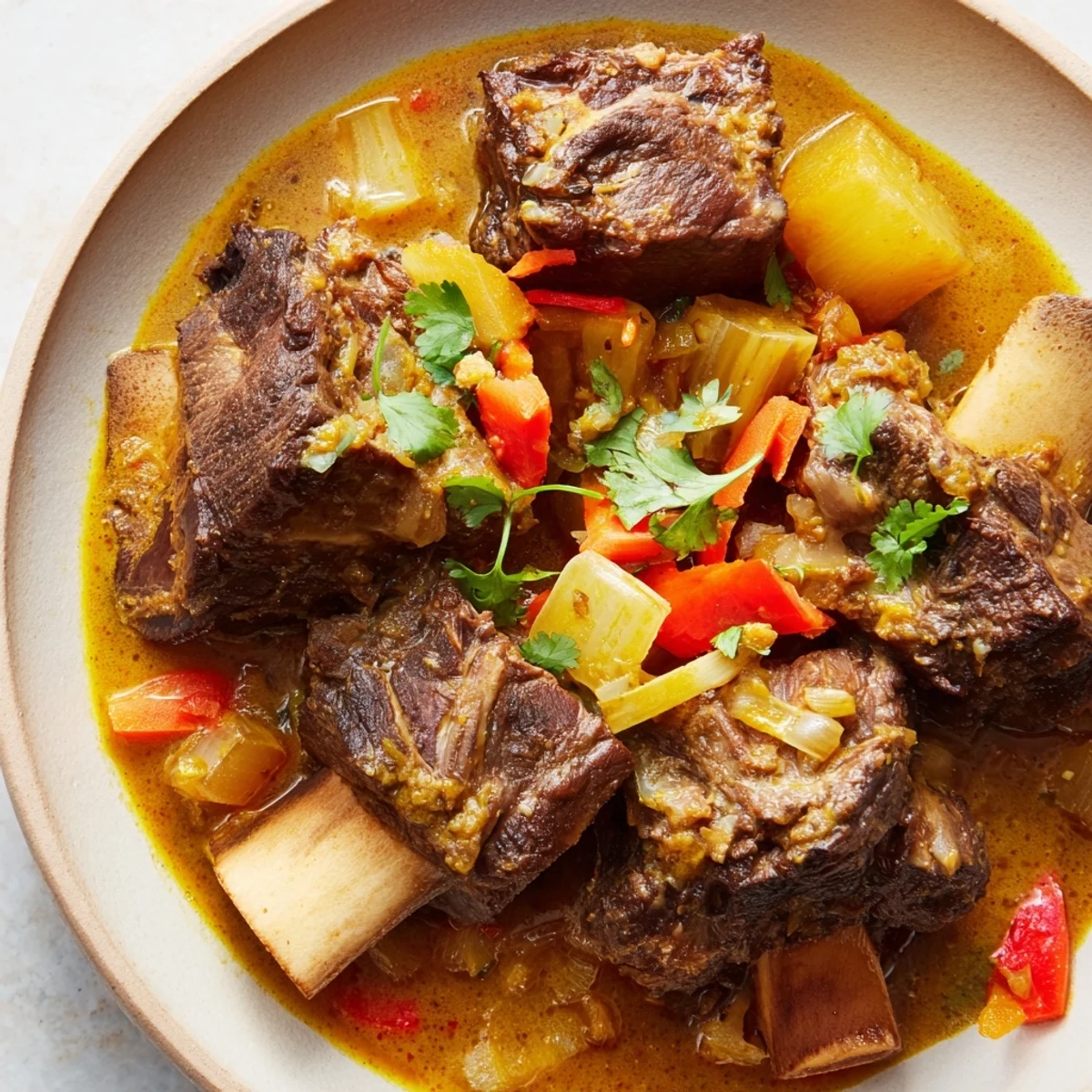
Save This recipe became a family tradition the year I made it for Christmas Eve dinner instead of the usual prime rib. My dad who normally resists anything 'too exotic' went back for thirds and asked if I could teach him how to make it. Now whenever I smell lemongrass and coconut milk simmering together I'm transported back to that snowy December night with people I love gathered around my table.
The Art of Slow Simmering
I've learned that the difference between a good ragu and a great one comes down to maintaining the gentlest simmer possible. You want just a bubble or two breaking the surface never a rolling boil. Keep the heat as low as it will go while still maintaining that gentle movement and give the pot a quarter turn every hour so everything cooks evenly. The collagen needs time and low heat to break down into that gelatinous texture that makes the sauce feel luxurious in your mouth.
Building Layers of Flavor
The magic happens in stages starting with that serious sear on the beef which creates those caramelized bits on the bottom of the pot. Each vegetable and spice gets its moment to bloom before the liquid even enters the equation. I always taste the sauce at the hour mark and again near the end because fish sauce intensifies as it reduces and you might need to pull back slightly on the salt. That final balance of sweet salty sour and rich should make you want to eat it straight from the spoon.
Serving Suggestions and Make-Ahead Tips
Beyond the obvious jasmine rice this ragu is incredible spooned over wide rice noodles or used as a filling for fresh spring rolls. I've even served it over creamy polenta for a cross-cultural comfort food moment. The sauce freezes beautifully so I often make a double batch and portion half for lazy weeknight dinners months later. Just thaw slowly in the refrigerator and reheat gently with a splash of coconut milk to restore the silky texture.
- Make the recipe up to 3 days ahead and store in the refrigerator the flavors only get better
- Always reheat slowly over low heat rather than microwaving to maintain the sauce's texture
- If the sauce seems too thick after reheating add a splash of coconut milk or stock to loosen it
 Save
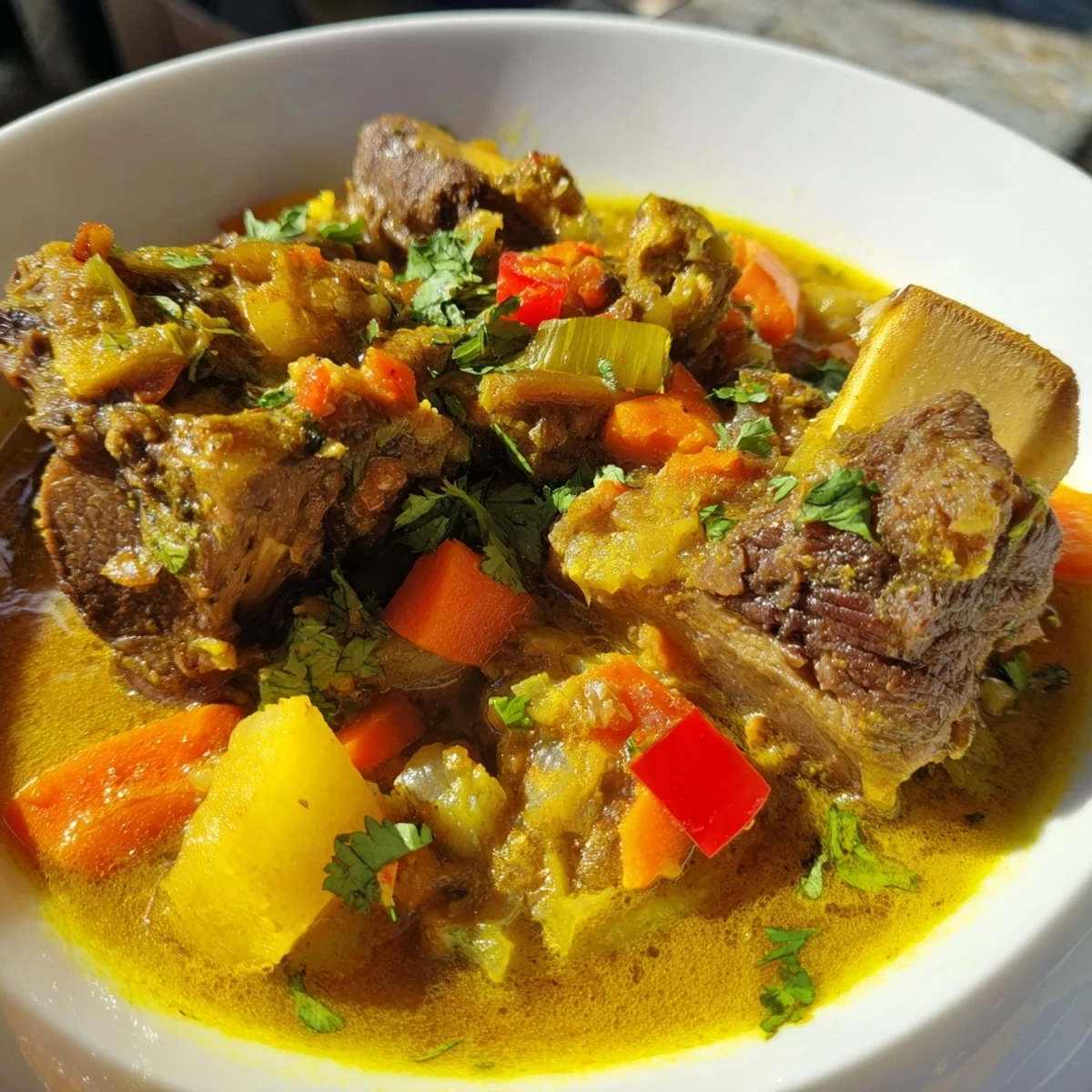
Save There's something deeply satisfying about a dish that rewards patience with such incredible flavor. I hope this ragu finds its way into your regular rotation and brings as much warmth to your table as it has to mine.
Common Recipe Questions
- → What makes this ragu different from Italian versions?
-
This ragu incorporates Southeast Asian aromatics like lemongrass, ginger, and coconut milk instead of wine and herbs. The spices include turmeric and coriander, creating warmer, earthier notes typical of Cambodian cuisine while maintaining the slow-cooked comfort of traditional ragu.
- → Can I make this in a slow cooker?
-
Absolutely. After searing the ribs and sautéing the vegetables, transfer everything to your slow cooker. Cook on low for 6-8 hours or high for 4-5 hours until the meat is fork-tender. You may want to reduce the sauce on the stovetop afterward if it's too thin.
- → What cut of beef works best?
-
Bone-in short ribs are ideal because the marrow and connective tissue break down during cooking, adding richness and body to the sauce. Boneless beef chuck or brisket can work, but you'll miss some of the depth that bones provide.
- → How can I make the sauce thicker?
-
Remove the lid during the last 30 minutes of cooking to allow evaporation and reduction. Alternatively, remove the ribs once tender, purée a portion of the vegetables and liquid, then return everything to the pot.
- → Is this dish spicy?
-
The base dish has mild warmth from black pepper and optional chili flakes. The heat level is easily adjustable—add more chili flakes during cooking or serve with fresh sliced chilies as garnish for those who prefer more heat.
- → Can I freeze leftovers?
-
This ragu freezes exceptionally well. Cool completely before storing in airtight containers for up to 3 months. The flavors often deepen after freezing. Thaw overnight in the refrigerator and reheat gently on the stovetop.