
 Save
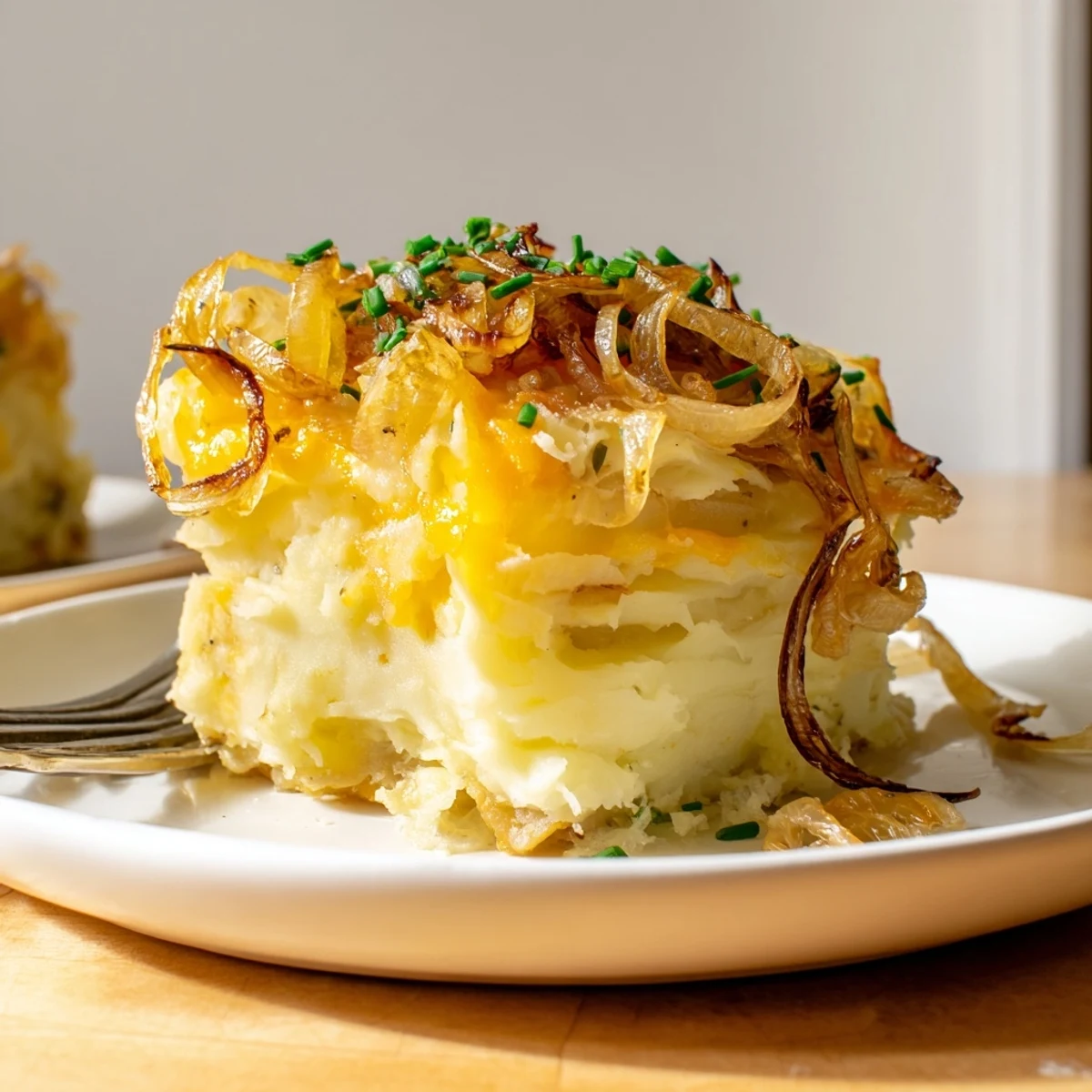
Save This comforting baked casserole brings together silky, butter-laced mashed potatoes with deeply caramelized sweet onions and a generous blanket of sharp cheddar and parmesan.
Ready in about an hour with just 20 minutes of hands-on prep, it feeds six and works beautifully as a vegetarian main or a crowd-pleasing side.
The sour cream adds tang, while the golden, bubbling cheese topping makes it impossible to resist at any gathering.
The exhaust fan in my mothers kitchen could barely keep up on Thanksgiving, and honestly, nobody cared because the smell of onions hitting a hot pan meant the casserole was coming together. Cheese pulled in long strings from the serving spoon, and arguments over who got the corner piece with the most crispy cheese were an annual tradition. This dish is pure comfort, the kind that silences a room full of loud talkers within the first bite.
One December I brought this to a potluck where three people independently asked for the recipe before dessert was even served. A friend called me the next morning to say she had eaten the remaining portion cold, standing at the refrigerator, at two in the morning.
Ingredients
- 2 lbs russet or Yukon Gold potatoes, peeled and chunked: Yukon Golds give a silkier texture, but russets create fluffier mash, so choose based on what texture you prefer.
- 4 tbsp unsalted butter: Cold butter folded into hot potatoes creates little pockets of richness that melt as you mash.
- 1 cup whole milk, warmed: Cold milk cools the potatoes and makes them gummy, so always warm it first.
- 1 1/2 cups shredded sharp cheddar, divided: Sharp cheddar holds its personality better than mild when mixed into hot potatoes and baked again.
- 1/2 cup grated parmesan: Parmesan adds a salty depth that cheddar alone cannot achieve.
- 1/2 cup sour cream: This is the secret to a tangy, creamy texture that milk and butter miss.
- 2 large yellow onions, thinly sliced: Thin slices caramelize faster and more evenly than chunky cuts.
- 2 tbsp olive oil: A neutral oil lets the onion flavor shine without competing.
- 2 cloves garlic, minced: Added late so it sweetens without turning bitter.
- 2 tbsp chopped fresh chives (optional): A fresh bite at the end cuts through all that richness.
- 1 tsp salt, plus more to taste: Seasoning in layers throughout cooking means no bland surprises at the end.
- 1/2 tsp freshly ground black pepper: Freshly cracked makes a noticeable difference here.
Instructions
- Get the oven ready:
- Preheat to 375 degrees F and grease a 9x13 inch baking dish with butter or a light spray so nothing sticks to the corners.
- Boil the potatoes:
- Cover the peeled chunks with cold salted water in a large pot, bring to a boil, then simmer gently for 15 to 18 minutes until a fork slides through without resistance. Drain thoroughly because leftover water is the enemy of creamy mash.
- Caramelize the onions:
- While the potatoes cook, warm olive oil in a large skillet over medium heat and add the sliced onions, stirring often and watching them turn from pale to deep golden over 15 to 20 minutes. Toss in the garlic for the last two minutes so it softens and fragrances the pan without burning.
- Mash everything together:
- Add butter, warm milk, sour cream, one cup of cheddar, parmesan, salt, and pepper to the drained potatoes and mash until smooth and creamy with no stubborn lumps hiding in the corners.
- Fold in the onions:
- Gently stir half the caramelized onions into the mashed potato mixture so ribbons of sweet onion run through without disappearing entirely.
- Assemble and top:
- Spread the potato mixture evenly into the prepared dish, scatter the remaining onions across the top, and blanket everything with the rest of the cheddar so every bite gets a pull of melted cheese.
- Bake until golden:
- Bake uncovered for 20 to 25 minutes until the cheese is bubbling and developing golden brown spots that taste like the best part of a grilled cheese sandwich.
- Rest and serve:
- Let the casserole sit for about five minutes so it holds its shape when scooped, then scatter fresh chives over the top if you have them.
 Save
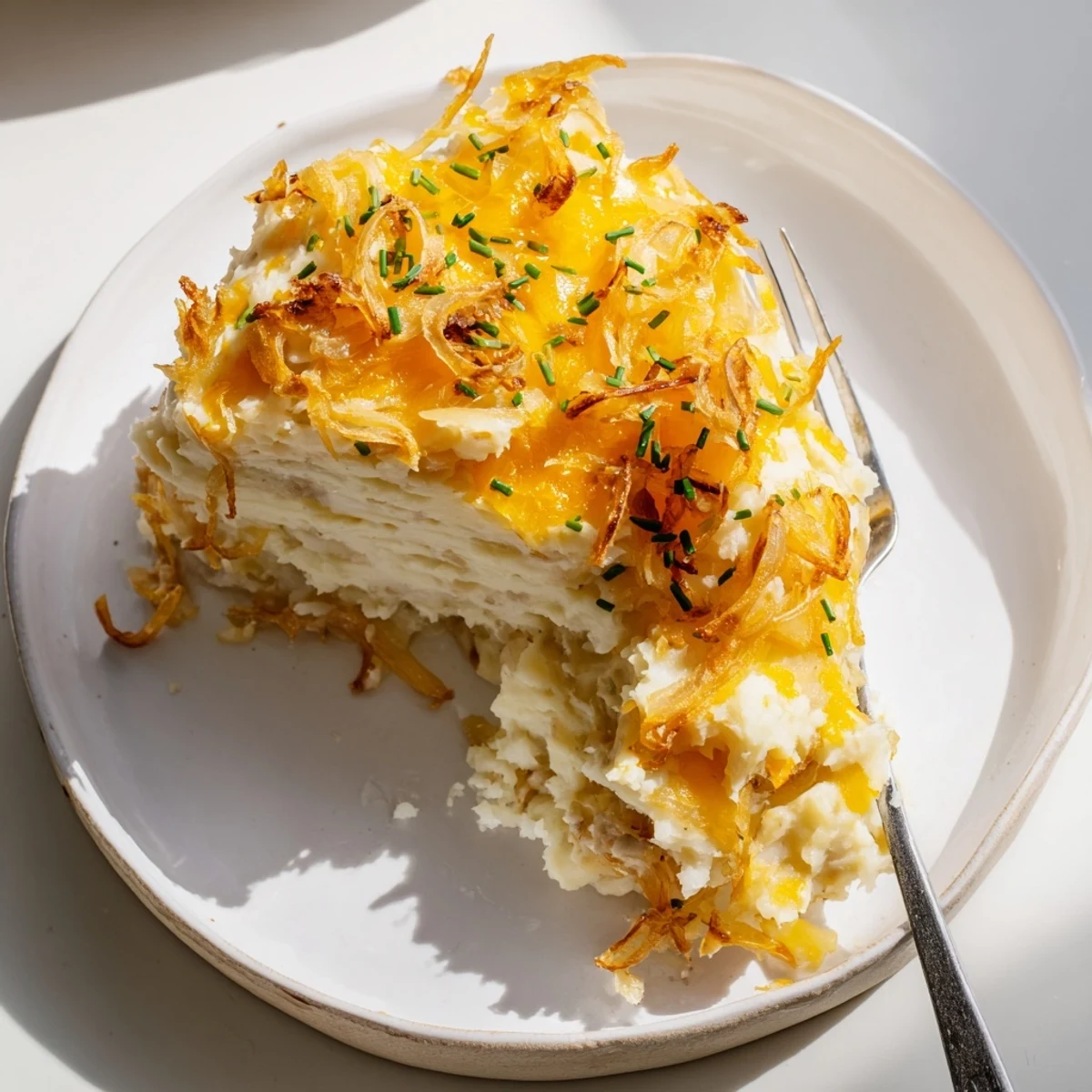
Save The year my cousin declared she hated onions, she ate two helpings of this without realizing what was folded inside. Sometimes the best way to change someones mind is to not tell them what they are eating.
Making It Your Own
This recipe bends easily in whatever direction your fridge suggests. Crumbled bacon or diced ham turns it into a complete meal, and swapping sharp cheddar for Gruyere gives it an almost French onion soup depth that feels far more elegant than the effort required.
Getting Ahead Of The Rush
Assemble the entire casserole up to a day ahead, cover it tightly, and keep it in the refrigerator until you are ready to bake. Add five extra minutes to the baking time if it goes in cold, and the texture will be identical to freshly made.
Serving And Storing
This dish travels well to gatherings and holds its warmth longer than you expect, which makes it ideal for potlucks where the oven is already occupied. Leftovers keep for three days and reheat covered in the oven at 350 degrees F.
- Cover with foil while reheating so the top does not dry out.
- A splash of milk stirred in before reheating brings back the original creaminess.
- Always taste for salt before serving because potatoes absorb seasoning as they sit.
 Save
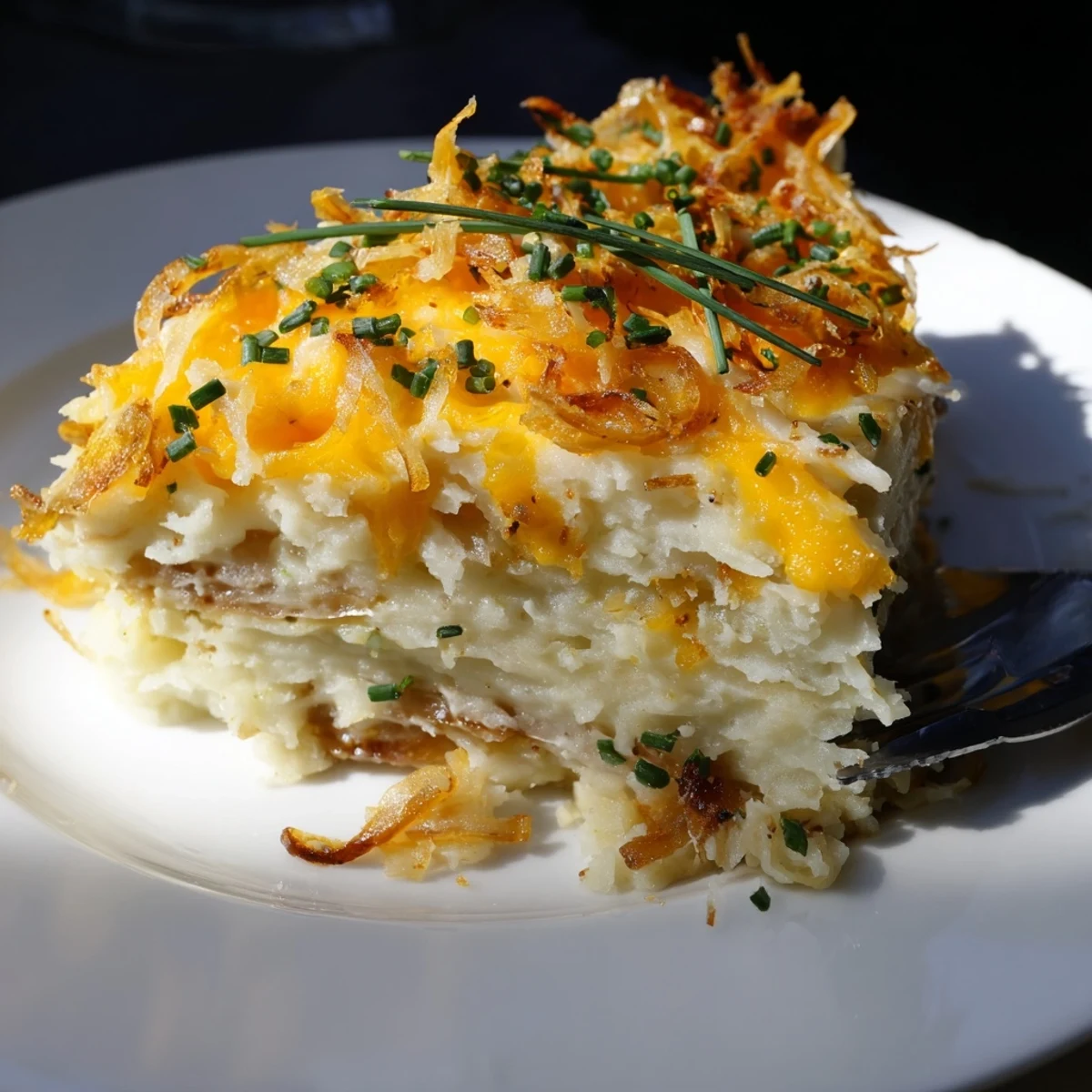
Save This is the dish that makes people linger at the table long after the plates should have been cleared. Make it once and it will follow you to every gathering for years.
Common Recipe Questions
- → Can I assemble this casserole ahead of time?
-
Yes, you can fully assemble the casserole, cover it tightly, and refrigerate it for up to 24 hours before baking. Add an extra 5–10 minutes to the baking time if going straight from the refrigerator.
- → What type of potatoes work best?
-
Russet potatoes yield the fluffiest, lightest mash, while Yukon Golds produce a creamier, slightly denser texture. Both work wonderfully, so choose based on your preference.
- → How do I get perfectly caramelized onions?
-
Cook the sliced onions over medium-low heat in olive oil, stirring frequently. Patience is key—true caramelization takes 15–20 minutes. Avoid high heat, which browns the outside without softening the inside.
- → Can I freeze leftovers?
-
Yes, leftover casserole freezes well for up to 2 months. Portion into airtight containers and reheat in a 350°F oven until warmed through, or microwave individual servings.
- → What cheeses can I substitute for cheddar?
-
Gruyère melts beautifully and adds a nutty depth, while Monterey Jack offers a milder, creamier result. A blend of cheeses also works well for a more complex flavor.
- → Is this casserole gluten-free?
-
Yes, as written this dish is naturally gluten-free. Always check labels on packaged ingredients like sour cream and cheese to ensure no cross-contamination or hidden additives.