
 Save
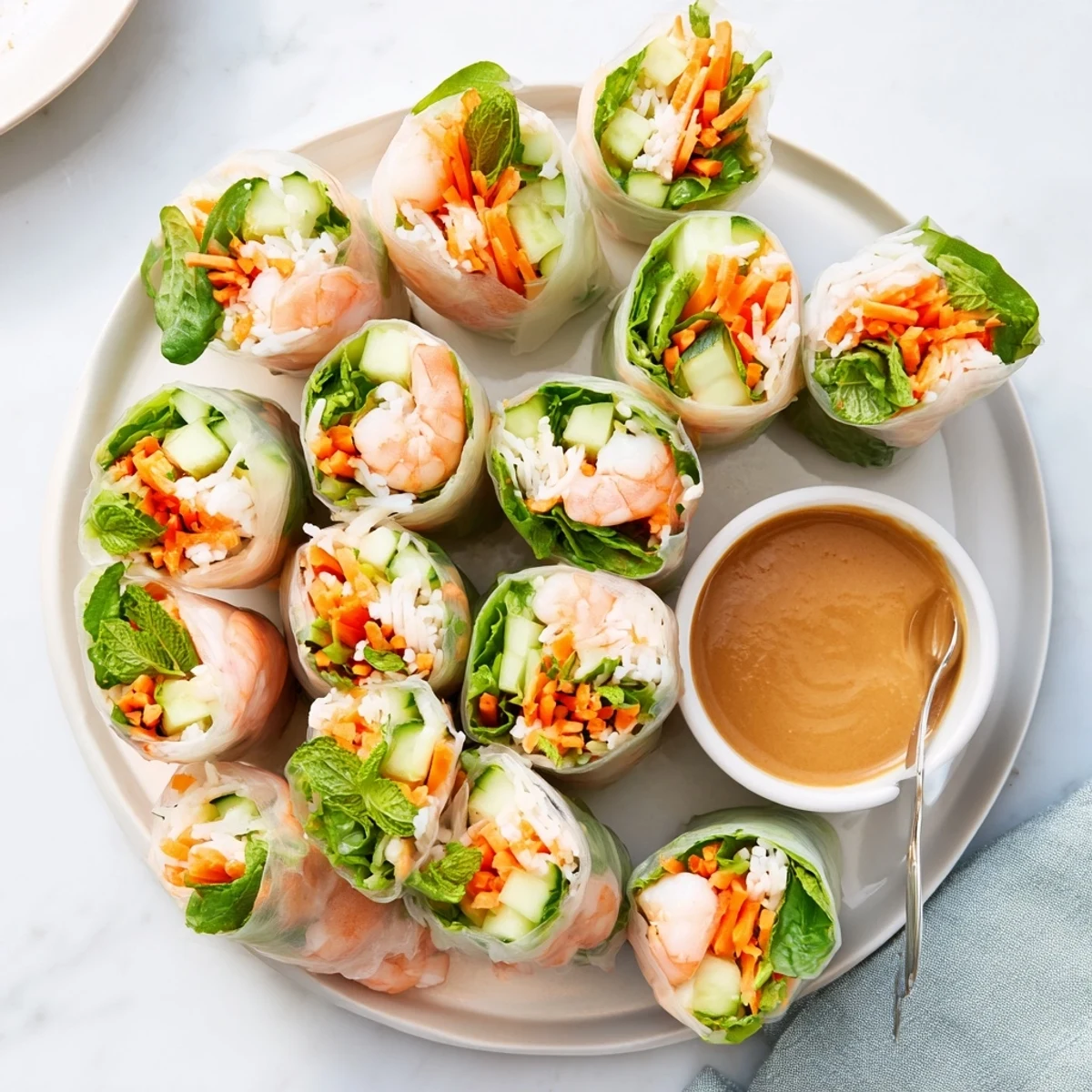
Save These delicate rice paper rolls combine crisp vegetables like julienned carrots and cucumber with tender shrimp and fresh herbs including mint, cilantro, and Thai basil. The rolls are wrapped in soft, pliable rice paper and served with a rich, creamy peanut sauce made from peanut butter, soy sauce, hoisin, and a hint of sriracha for gentle heat. Ready in just 30 minutes with no cooking required, these rolls make an ideal light appetizer or refreshing meal for warm weather.
The first time I attempted spring rolls, my kitchen counter looked like a battlefield of torn rice paper and scattered herbs. I'd invited friends over and ended up frantically frying emergency frozen egg rolls while they laughed at my enthusiasm over technique. Three years and dozens of dinner parties later, I've finally learned that the secret isn't perfection—it's keeping everything prepped and working with one wrapper at a time. These rolls have become my go-to when I want something that feels impressive but actually requires zero cooking.
Last summer, I made these for a backyard dinner and watched my friend Mike—self-proclaimed vegetable hater—hesitantly take a roll. He came back four times and later admitted he'd eaten nothing but lettuce and carrots because the peanut sauce made everything taste like a treat. Now whenever I host, someone asks if 'those rolls with the magic sauce' are on the menu. There's something about the combination of cool crisp vegetables and warm creamy dipping that makes people forget they're eating something healthy.
Ingredients
- 8 rice paper wrappers: The 22cm size is perfect for beginners—smaller ones tear easily and larger ones are unwieldy
- 16 medium cooked shrimp: Halving them lengthwise creates that beautiful pink stripe pattern through the transparent wrapper
- 80 g rice vermicelli noodles: Cook them slightly less than the package specifies so they stay firm and don't turn mushy inside the rolls
- 1 medium carrot and 1 small cucumber: Julienne them as thin as possible—thick vegetable chunks make rolling difficult and create awkward bumps
- 8 large lettuce leaves: Butter lettuce works best because it's pliable and adds a nice structural foundation to prevent tearing
- 20 g each fresh mint, cilantro, and Thai basil: The herb combination is non-negotiable—it's what transforms these from plain vegetables into something extraordinary
- 60 g creamy peanut butter: Natural peanut butter can separate and make the sauce grainy, so use the regular kind for the smoothest texture
- 1 tbsp each soy sauce and hoisin sauce: This duo creates that perfect salty-sweet balance that makes the dipping sauce addictive
- 1–2 tsp sriracha: Start with one teaspoon and taste—the heat builds as the sauce sits
- 60–80 ml warm water: Add this gradually because different peanut butter brands absorb liquid differently
Instructions
- Prep your mise en place:
- Cook the vermicelli noodles according to package directions, then immediately rinse them under cold water to stop the cooking process. Drain thoroughly and set aside while you julienne the carrot and cucumber into matchstick-thin pieces.
- Organize your rolling station:
- Lay out all ingredients in separate bowls within arm's reach, fill a large shallow dish with warm water, and have a clean damp kitchen towel ready. This assembly-line setup prevents frantic reaching mid-roll, which is how most wrappers tear.
- Soften the rice paper:
- Dip one wrapper into the warm water for 5 to 8 seconds—it should still feel slightly stiff when you pull it out. Lay it flat on your damp towel and wait about 20 seconds; it will continue to soften as you work.
- Layer your fillings strategically:
- Place two shrimp halves cut-side up about two inches from the bottom edge, then add a small handful of noodles, a few pieces each of carrot and cucumber, and a lettuce leaf. Finish with three or four herb leaves, but don't overstuff or the wrapper will split.
- Roll with confidence:
- Fold the bottom edge over the fillings, fold in both sides like an envelope, then roll forward tightly while keeping gentle pressure. The rice paper will seal itself as it dries, so no water or glue is needed.
- Whisk the peanut sauce:
- Combine the peanut butter, soy sauce, hoisin, sriracha, vinegar, and honey in a small bowl. Whisk in warm water one tablespoon at a time until it reaches the consistency of heavy cream—thick enough to coat a spoon but thin enough to drizzle.
- Arrange and serve:
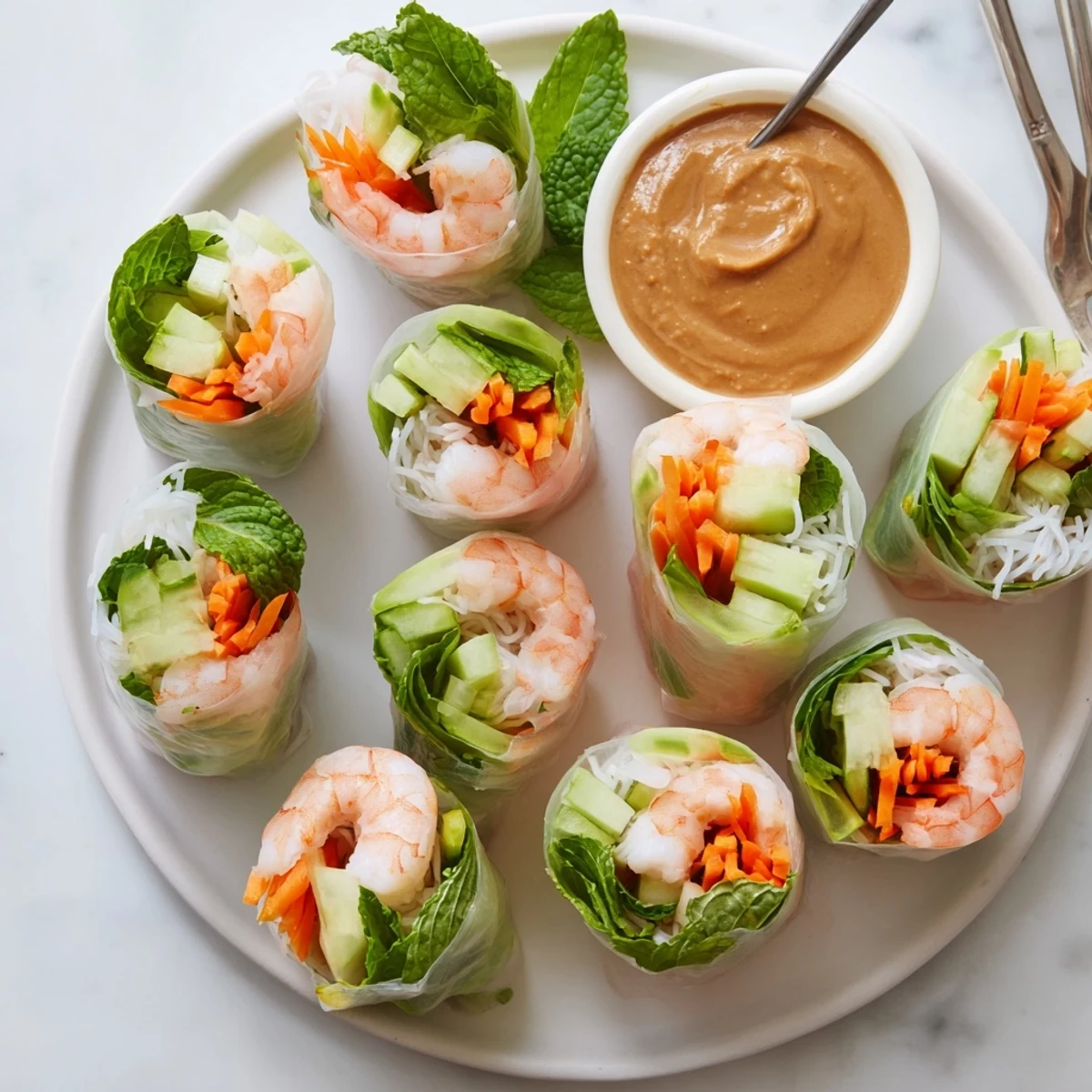
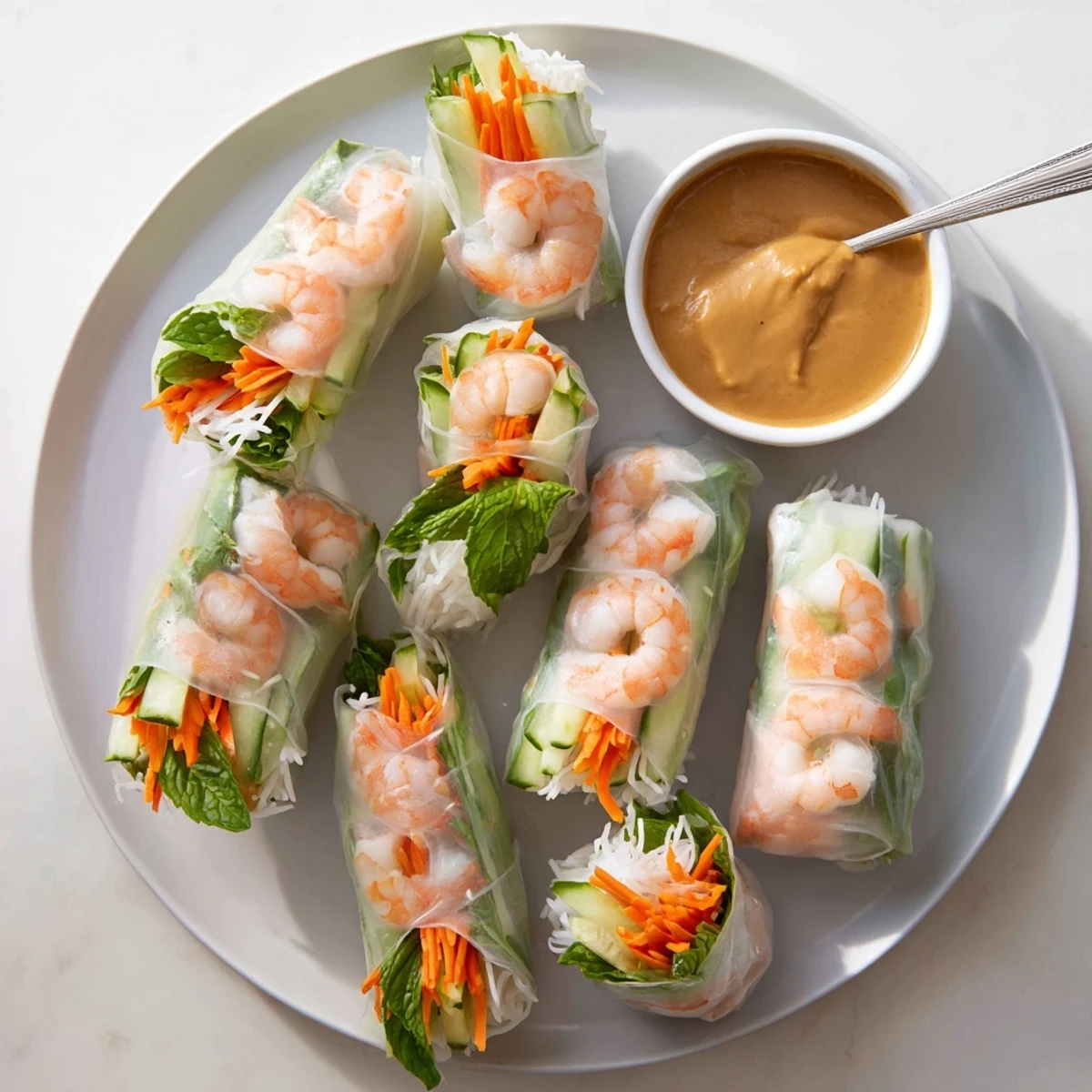
- Place the finished rolls on a platter and cut them in half diagonally to reveal the beautiful striped interior through the translucent wrapper. Serve the peanut sauce in individual small bowls for dipping.
 Save
Save My most memorable moment with these rolls happened during a stressful week when a friend stopped by unexpectedly. I had all the components prepped in my fridge, so we stood at the counter rolling and talking for over an hour, the rhythmic work somehow making the conversation flow deeper than usual. She told me later that watching her hands create something beautiful while we talked was exactly what she'd needed that day.
Getting the Roll Tight
The difference between a restaurant-quality roll and a sloppy one comes down to tension during that final fold. I used to roll gently, afraid of tearing the wrapper, but learned that a firm, confident roll actually distributes pressure evenly and prevents weak spots. Think of it like rolling a sleeping bag—gentle but decisive movements create the smoothest result.
Herb Balance
Early on, I made the mistake of using just one herb, usually cilantro because I always had it on hand. Once I tried the traditional combination of mint, cilantro, and basil together, I understood why all three are essential—the mint provides brightness, cilantro brings earthiness, and basil adds a sweet anise note that rounds everything out.
Make-Ahead Strategy
You can prepare all the vegetables, cook the noodles, and even whisk the sauce up to two days in advance. Store everything separately in airtight containers in the refrigerator, but bring the ingredients to room temperature before rolling—cold, stiff wrappers are more prone to tearing and the flavors taste muted when chilled.
- Leftover peanut sauce makes an incredible dressing for cold noodle salads
- If you only have one type of fresh herb, use twice the amount called for
- Rice paper wrappers keep indefinitely in the pantry, so stock up for impromptu rolling sessions
 Save
Save These spring rolls have taught me that some of the best food experiences come from the simple act of hands-on assembly. Whether you're making them solo or turning the process into a group activity, there's something deeply satisfying about creating something beautiful with your own two hands.
Common Recipe Questions
- → How do I prevent rice paper from tearing?
-
Soak each wrapper in warm water for just 5–8 seconds until pliable but not overly soft. Lay it on a damp towel while filling. Work with one wrapper at a time and roll tightly but gently to avoid splits.
- → Can I make these ahead of time?
-
Spring rolls are best enjoyed fresh, but you can cover them with a damp towel and refrigerate for up to 4 hours. The peanut sauce can be made 2–3 days ahead and stored in the refrigerator.
- → What can I substitute for shrimp?
-
Firm tofu, sliced into strips, works beautifully for a vegetarian version. You can also use cooked chicken, pork, or leave them vegetarian with extra vegetables and noodles.
- → How do I adjust the peanut sauce consistency?
-
Add warm water gradually, starting with 60 ml (1/4 cup), and whisk until smooth. For a thinner sauce, add more water. For thicker dipping consistency, use less water.
- → Are these gluten-free?
-
Yes, if you use tamari instead of regular soy sauce and verify your hoisin sauce is gluten-free. Rice paper wrappers and rice vermicelli are naturally gluten-free.