
 Save
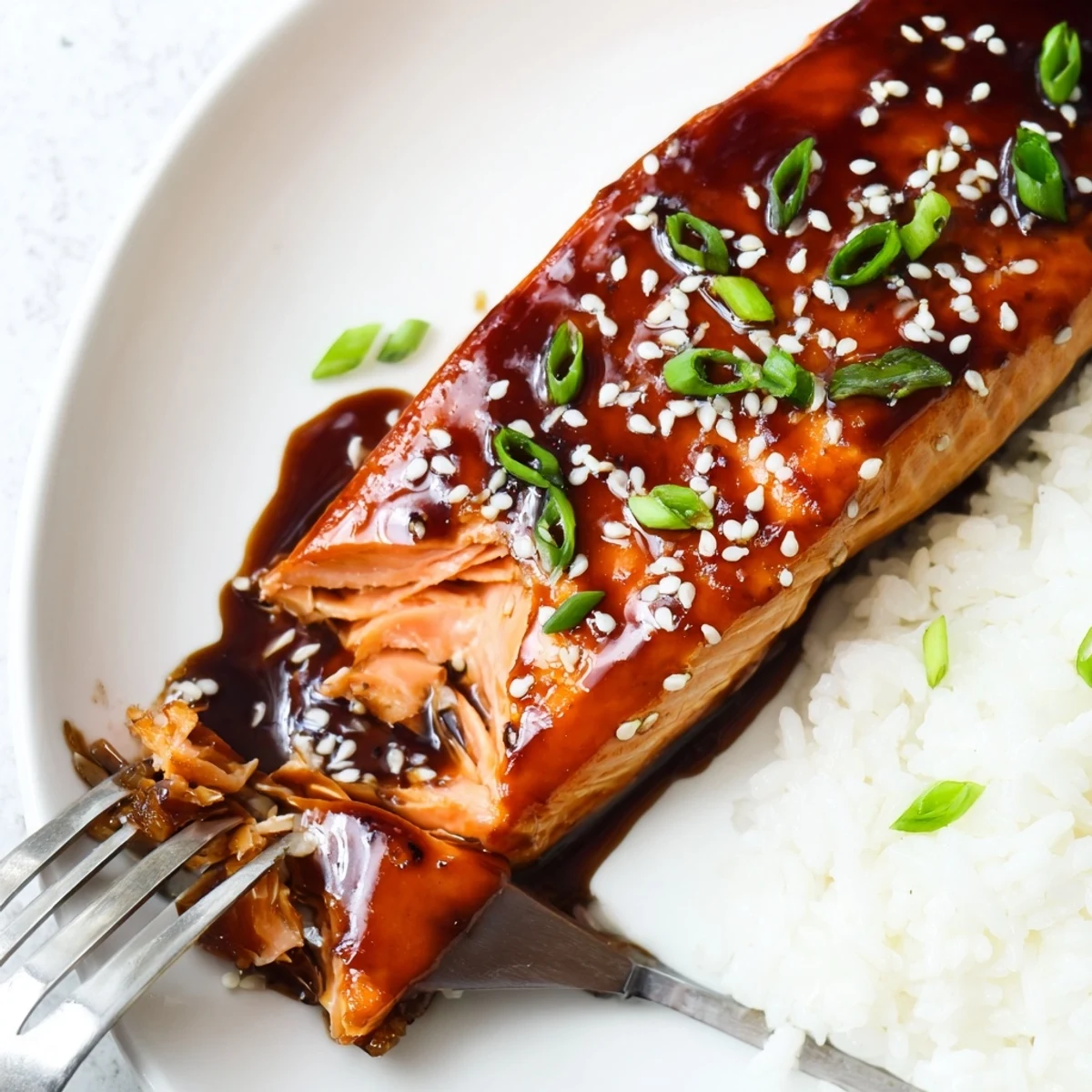
Save Whisk tamari, maple syrup, rice vinegar, sesame oil, garlic and grated ginger, then thicken with a cornstarch slurry. Brush the glaze over skin-on fillets, bake at 200°C/400°F for 12–15 minutes until just flaky, and finish with sesame seeds and sliced spring onions. Serve with steamed rice or sautéed vegetables; marinate 20 minutes for deeper flavor. Store chilled up to 2 days.
The sizzle of salmon hitting a hot baking sheet is one of those sounds that instantly makes a kitchen feel alive. My apartment used to fill with the sweet smell of teriyaki glaze caramelizing in the oven, and my roommate would drift in every single time without fail, fork already in hand. This gluten free version came together during a week when a friend with celiac disease was visiting and I refused to let dietary needs mean boring food. That dinner changed my entire approach to weeknight cooking.
I still laugh about the night I made this for my friend Elena, who had been quietly suffering through bland gluten free meals at restaurants for months. She took one bite, closed her eyes, and said this was the dish that proved she never had to settle again. We sat on my kitchen floor eating seconds straight off the baking sheet because plates felt unnecessary.
Ingredients
- 4 salmon fillets, skin on, about 170 g each: Skin on fillets hold together beautifully during baking and the skin gets deliciously crisp underneath.
- 60 ml tamari or gluten free soy sauce: Tamari is your best friend here, offering a richer and smoother flavor than regular soy sauce.
- 2 tbsp pure maple syrup: This brings a gentle sweetness that balances the salty tamari without being cloying.
- 2 tbsp rice vinegar: A bright acidic note that cuts through the richness of the salmon.
- 1 tbsp sesame oil: Just a tablespoon transforms the entire sauce with its nutty aroma.
- 2 garlic cloves, minced: Fresh garlic only, the jarred stuff lacks the punch this sauce needs.
- 2 tsp fresh ginger, grated: I freeze a knob of ginger and grate it straight from frozen, a trick that saves time and fingers.
- 2 tsp cornstarch plus 2 tbsp water: This simple slurry is what turns a thin liquid into a glossy glaze that clings to every inch of the fish.
- 1 tbsp sesame seeds: Toasted if you have the patience, untoasted if you do not, both work.
- 2 spring onions, sliced thin: Scatter these on at the very end for a fresh crunch and a pop of green.
Instructions
- Prepare your oven and pan:
- Heat the oven to 200 degrees Celsius, or 400 degrees Fahrenheit, and line a baking sheet with parchment paper so cleanup is effortless later.
- Build the teriyaki sauce:
- Whisk tamari, maple syrup, rice vinegar, sesame oil, garlic, and ginger together in a small saucepan over medium heat until everything smells incredible and unified.
- Thicken the glaze:
- Dissolve cornstarch in water in a small bowl, then stir it into the warm sauce and cook for two to three minutes until the sauce coats the back of a spoon like silk.
- Glaze the salmon:
- Arrange the fillets skin side down on your prepared sheet and brush them generously with sauce, saving a little for later.
- Bake until perfect:
- Slide the salmon into the oven for twelve to fifteen minutes, watching for the moment the fish flakes easily when you press it gently with a fork.
- Finish and serve:
- Pull the salmon out, brush with any remaining sauce, and shower with sesame seeds and sliced spring onions while everything is still hot and glistening.
 Save
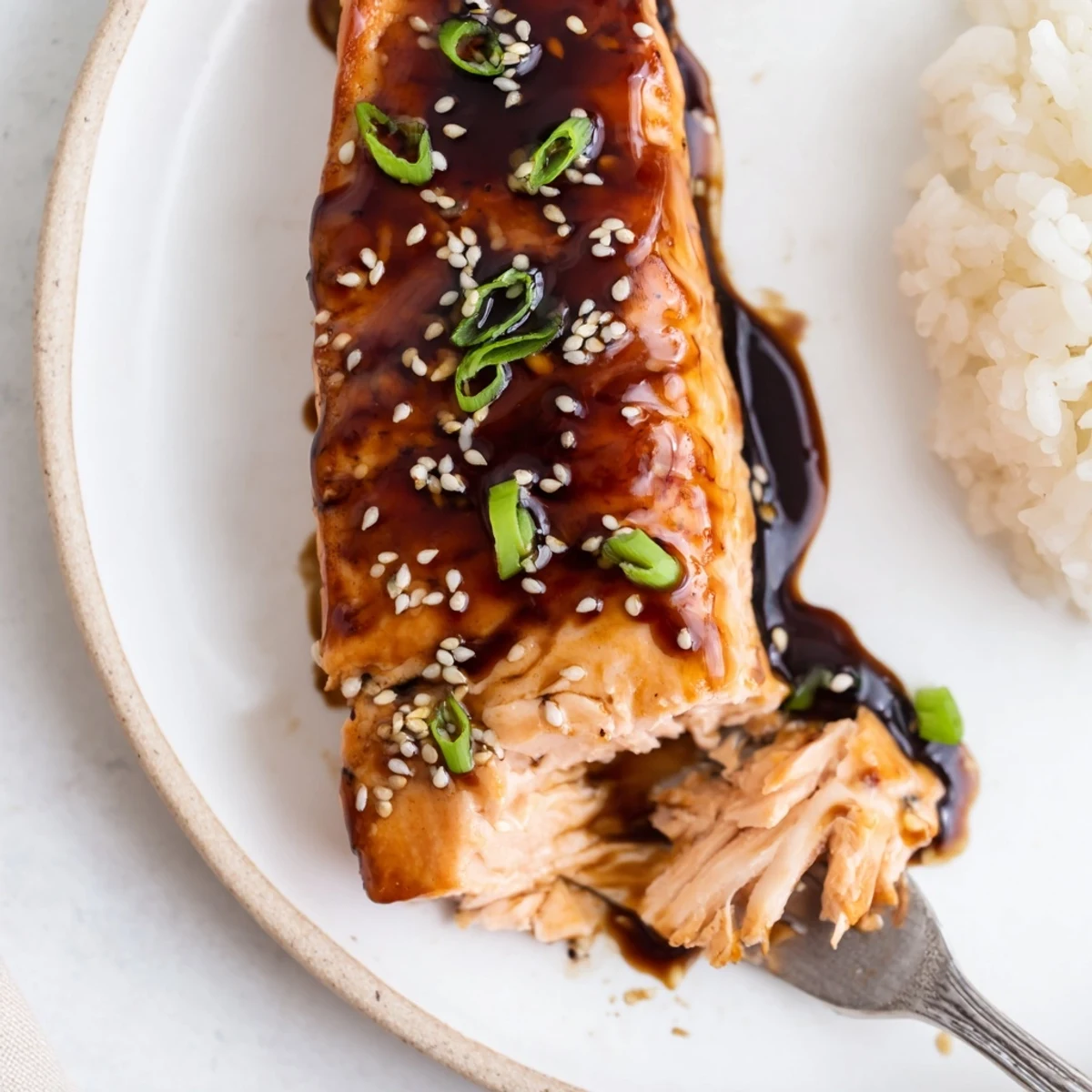
Save There is something about the way the glaze catches the light on a perfectly baked piece of salmon that makes you feel like you made restaurant food at home. That dish on my kitchen floor with Elena turned into a monthly tradition, and we never did start using plates.
What to Serve Alongside
Steamed jasmine rice soaks up every drop of extra sauce, and a quick cucumber salad with rice vinegar and a pinch of sugar adds the crunch this meal craves. Sautéed bok choy or broccolini also belong on this plate if you have them around.
Making It Your Own
A pinch of red pepper flakes in the sauce changes the entire personality of the dish without any extra work. If you have twenty extra minutes, marinate the salmon in half the sauce before baking and you will be rewarded with flavor that penetrates deep into the fish.
Getting the Bake Right
Overcooked salmon is a tragedy that no amount of sauce can fix, so start checking at twelve minutes and remember that the fish will keep cooking slightly after you pull it out.
- Let the salmon rest for two minutes before serving so the juices redistribute.
- If your fillets vary in thickness, put the thickest ones near the back of the oven where heat is strongest.
- Trust your fork more than the timer, since every oven has its own temperament.
 Save
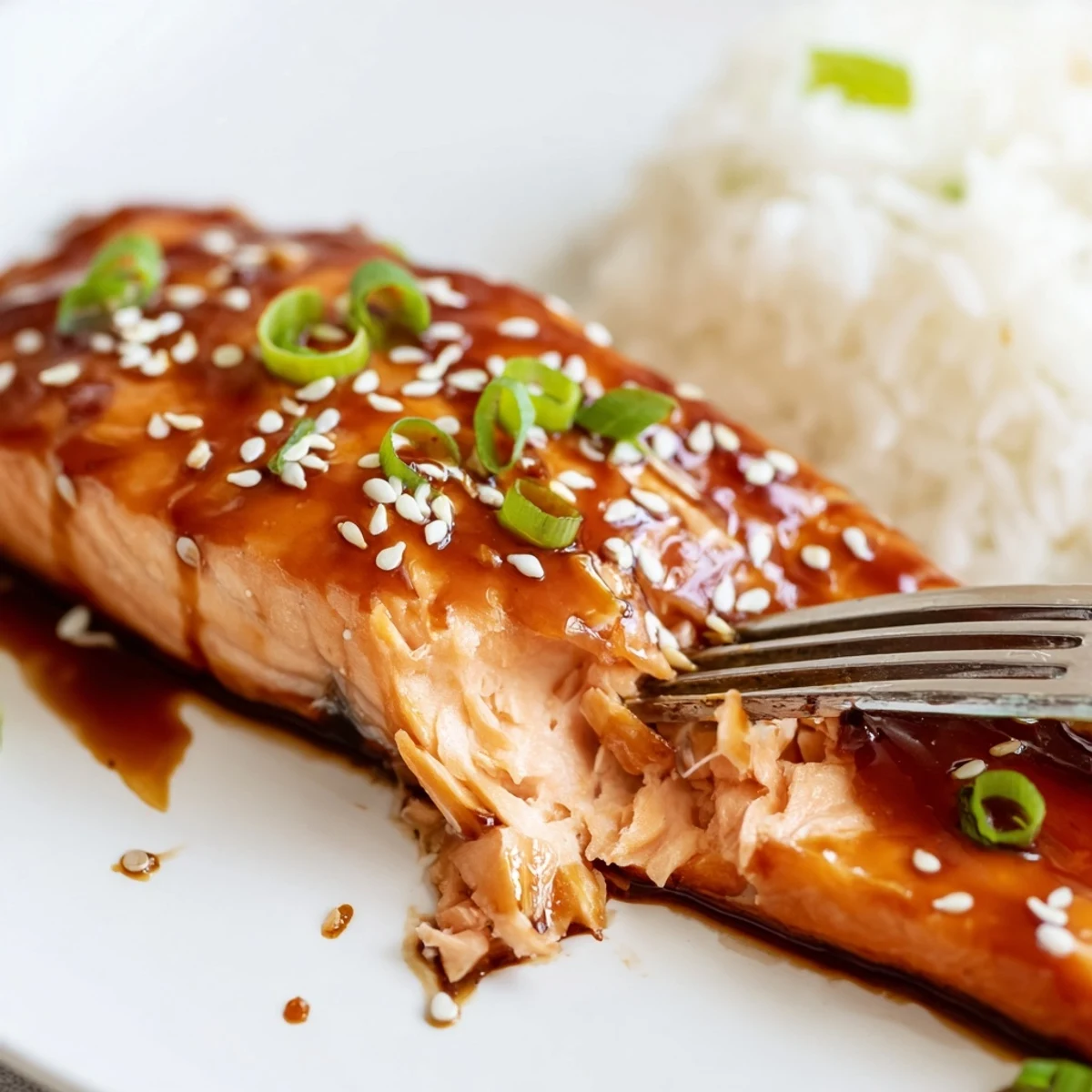
Save This is the kind of recipe that reminds you weeknight dinners do not have to be boring or complicated to feel special. Share it with someone who needs to taste what care and a little tamari can do.
Common Recipe Questions
- → Can I use regular soy sauce instead of tamari?
-
Yes, regular soy sauce works but contains gluten unless labeled gluten-free. Use tamari to keep the dish gluten-free; the flavor profile is similar with a slightly richer umami.
- → How do I thicken the teriyaki glaze?
-
Dissolve cornstarch in cold water to make a slurry, then stir it into the simmering sauce. Cook 2–3 minutes until glossy and thickened; it will cling nicely to the salmon.
- → Should I bake the salmon skin-on or skinless?
-
Skin-on helps hold the fillet together while roasting and crisps up under the glaze. Leave the skin for easier handling and extra texture, then serve skin-side down.
- → Can I marinate the fish ahead of time?
-
Yes. Marinate up to 20 minutes for added depth without breaking down the flesh. Avoid very long marinades with acidic ingredients, which can start to cure the salmon.
- → What temperature and time ensure moist salmon?
-
Roast at 200°C/400°F for about 12–15 minutes for 6 oz fillets, until the center flakes easily with a fork. Timing varies by thickness—watch for just-cooked, glossy flesh.
- → How should leftovers be stored and reheated?
-
Cool quickly and refrigerate in an airtight container up to 48 hours. Reheat gently in a low oven (150°C/300°F) or briefly in a skillet to preserve moisture and avoid drying out.