
 Save
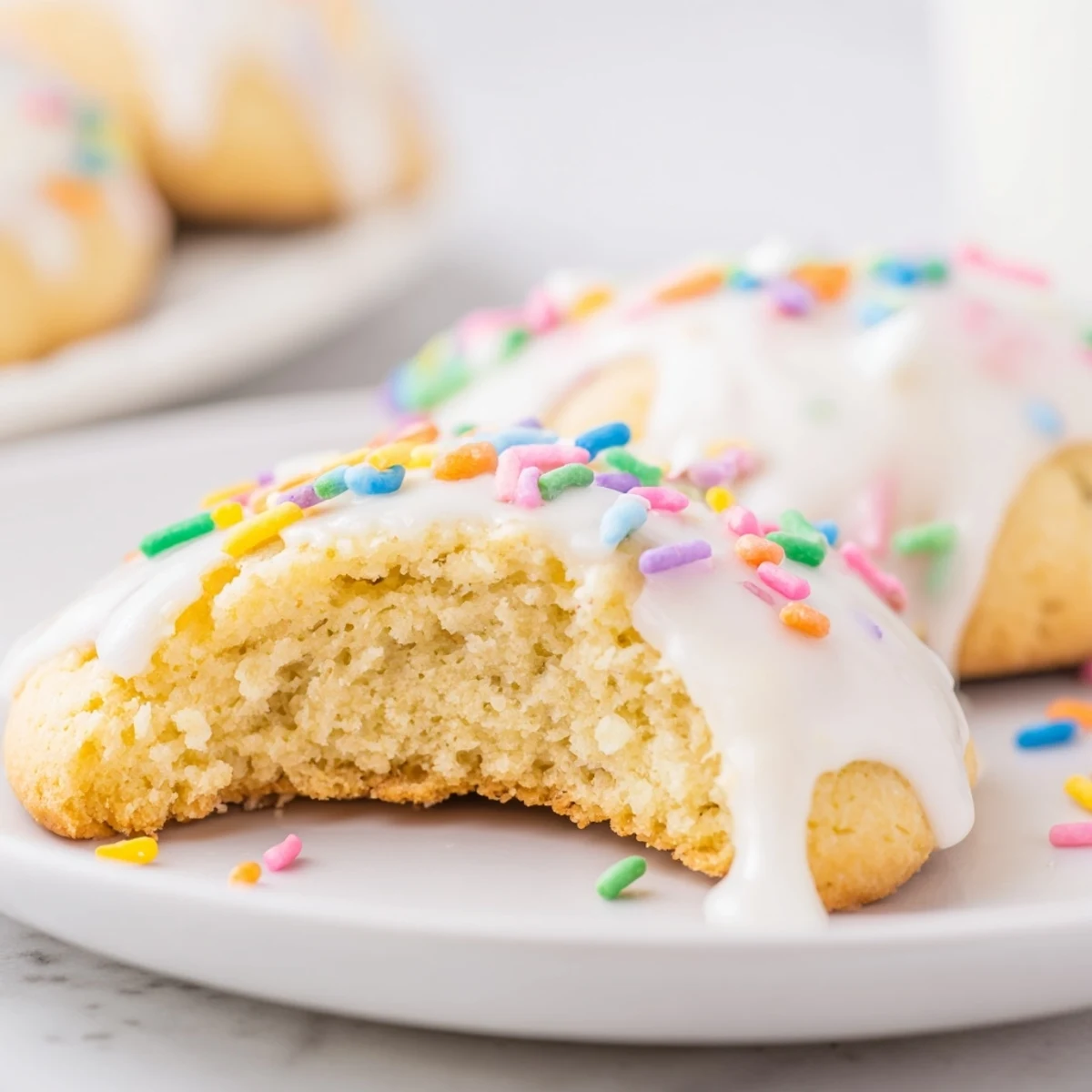
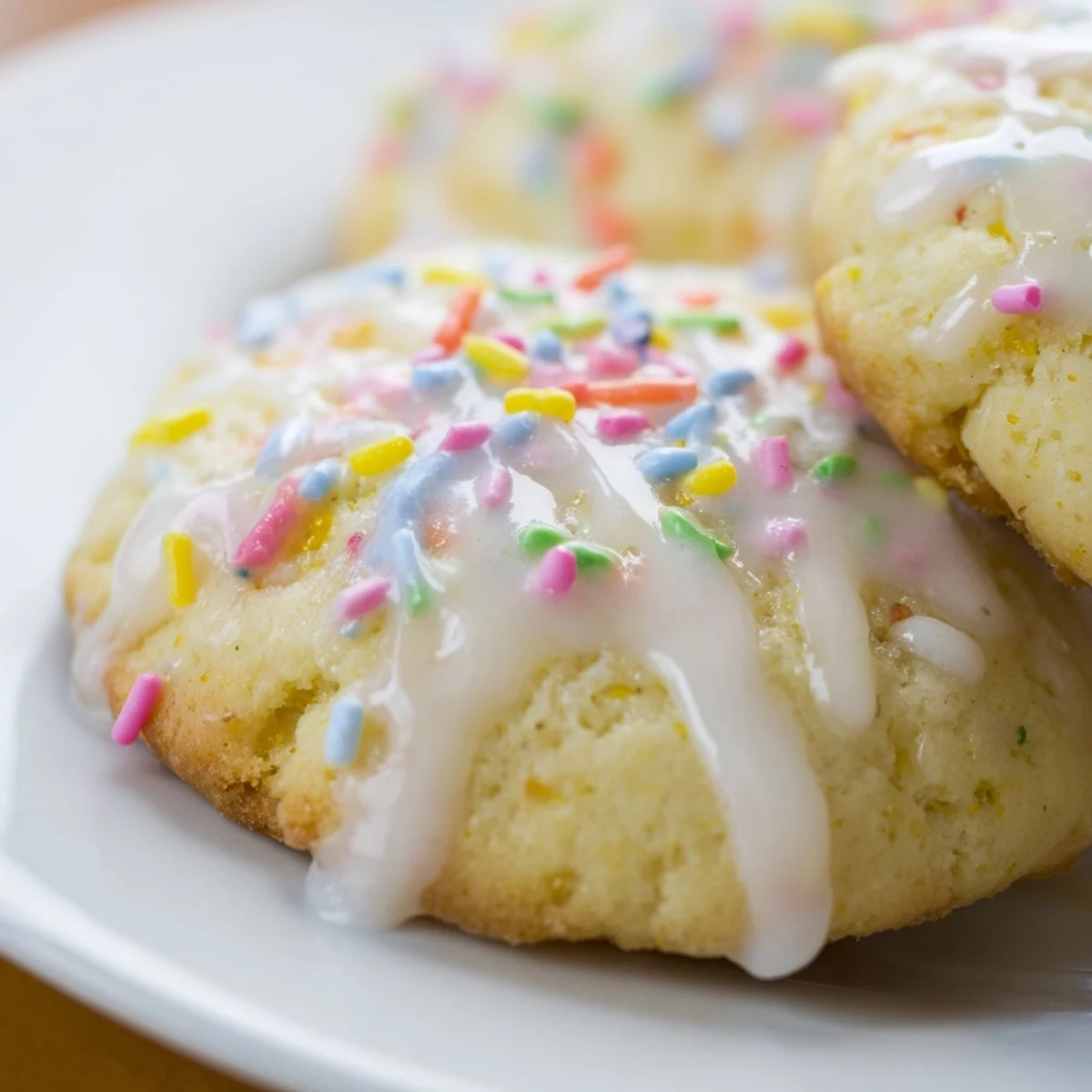
Save These delicate Italian Easter cookies combine the bright flavors of lemon and orange zest in a tender, buttery dough. After baking until just golden, they're dipped in a sweet vanilla glaze and topped with colorful sprinkles for a festive touch. The dough comes together quickly and can be shaped into balls, rings, or knots depending on your tradition. Best enjoyed with coffee or tea during spring gatherings.
My grandmother never measured anything when she made these cookies. She would grab handfuls of flour and crack eggs into the bowl without a second thought, trusting the feel of the dough more than any recipe card. The whole house would fill with lemon and orange zest while she worked, that unmistakable scent that meant Easter was coming. I have tried to replicate her intuitive style, but writing it all down helps me share these sweet memories.
Last spring, my daughter helped me glaze dozens of these for our neighborhood egg hunt. She took her job very seriously, carefully dipping each cookie and choosing exactly which sprinkles went where. By the time we finished, we had frosting in our hair and flour on our cheeks, but the tray looked like something from an Italian bakery window.
Ingredients
- All-purpose flour: The foundation of these tender cookies, giving them structure without being heavy or dense
- Baking powder: Essential for that subtle lift that makes the texture light rather than flat
- Unsalted butter: Softened to room temperature so it incorporates beautifully into the dough
- Granulated sugar: Sweetens just enough to let the citrus flavors shine through
- Large eggs: Room temperature eggs bind everything together and create richness
- Vanilla and almond extracts: The almond is traditional but the vanilla makes it universally appealing
- Lemon and orange zest: The bright, fragrant oils in the zest are what make these cookies distinctly Italian
- Milk: Just enough to bring the dough together without making it sticky
- Powdered sugar: Sifted to ensure the glaze is perfectly smooth and free of lumps
- Colored sprinkles: The festive finishing touch that makes these cookies Easter ready
Instructions
- Preheat and prepare:
- Get your oven to 350°F and line your baking sheets with parchment paper so nothing sticks.
- Mix the dry ingredients:
- Whisk the flour, baking powder, and salt in a medium bowl until they are evenly combined.
- Cream the butter and sugar:
- Beat the butter and sugar together until the mixture looks pale and fluffy, about 3 minutes.
- Add the eggs and flavorings:
- Beat in the eggs one at a time, then add the vanilla, almond extract, and both citrus zests until everything is fragrant.
- Combine everything:
- Gradually mix in the flour mixture just until no white streaks remain, then add the milk to soften the dough.
- Shape the cookies:
- Scoop tablespoon sized portions and roll them into balls, ropes, or knots depending on the shape you prefer.
- Bake to golden:
- Place them 2 inches apart on the baking sheets and bake for 10 to 12 minutes until the bottoms are barely golden.
- Cool completely:
- Let the cookies rest on wire racks until they are completely cool before glazing.
- Make the glaze:
- Whisk the powdered sugar, milk, and vanilla until you have a smooth, pourable consistency.
- Dip and decorate:
- Dip each cookie into the glaze, let the excess drip off, and add sprinkles while the glaze is still wet.
 Save
Save These cookies have become part of our Easter morning tradition. While the kids hunt for eggs in the backyard, the adults stand around the kitchen island with coffee and these citrus glazed treats, catching up on the year that passed. Something about the simple sweetness and the bright colors makes the whole day feel more celebratory.
Making Them Ahead
You can bake the cookies a day or two ahead and store them in an airtight container. Wait to glaze them until the day you plan to serve them, or the sprinkles will start to weep and lose their crunch. The unglazed cookies freeze beautifully for up to a month if you want to get a head start on holiday baking.
Shaping Options
Traditional Italian Easter cookies often come in rings or knots, but simple balls work just as well. For rings, roll the dough into ropes and connect the ends. For knots, tie a gentle overhand knot with each rope. The shapes all bake at the same rate, so choose whatever feels most festive to you.
Glaze Variations
Pastel colored glazes make these cookies even more festive for spring. Add a drop of food coloring to the glaze before dipping, or divide the glaze into separate bowls and create a rainbow effect. Lemon juice can replace some of the milk for a tangier glaze that complements the citrus zest in the dough.
- Work quickly once the glaze is mixed, as it will start to set as it cools
- Set the glazed cookies on wire racks over parchment to catch the drips
- Press the sprinkles gently so they adhere without sinking into the glaze
 Save
Save These Italian Easter cookies bring a little bit of tradition to your table and a lot of joy to your kitchen.
Common Recipe Questions
- → Can I make the dough ahead of time?
-
Yes, the dough can be prepared up to 2 days in advance and stored tightly wrapped in the refrigerator. Let it come to room temperature for about 30 minutes before shaping and baking.
- → What's the best way to shape these cookies?
-
Traditional shapes include simple balls, rings formed by connecting the ends, or knots made by twisting the dough ropes. Any shape works well as long as they're roughly uniform in size for even baking.
- → Can I freeze these Italian Easter cookies?
-
Yes, freeze undecorated baked cookies for up to 3 months. Thaw at room temperature, then glaze and add sprinkles before serving. The glaze doesn't freeze well, so always add it after thawing.
- → Why is my cookie dough too sticky?
-
If the dough feels too sticky, refrigerate it for 30 minutes to firm up slightly. You can also add a tablespoon of flour, but avoid adding too much or the cookies will become tough.
- → Can I substitute the extracts?
-
Almond extract adds traditional flavor but can be omitted. You can replace it with more vanilla or add a touch of anise extract for a different authentic Italian variation.