
 Save
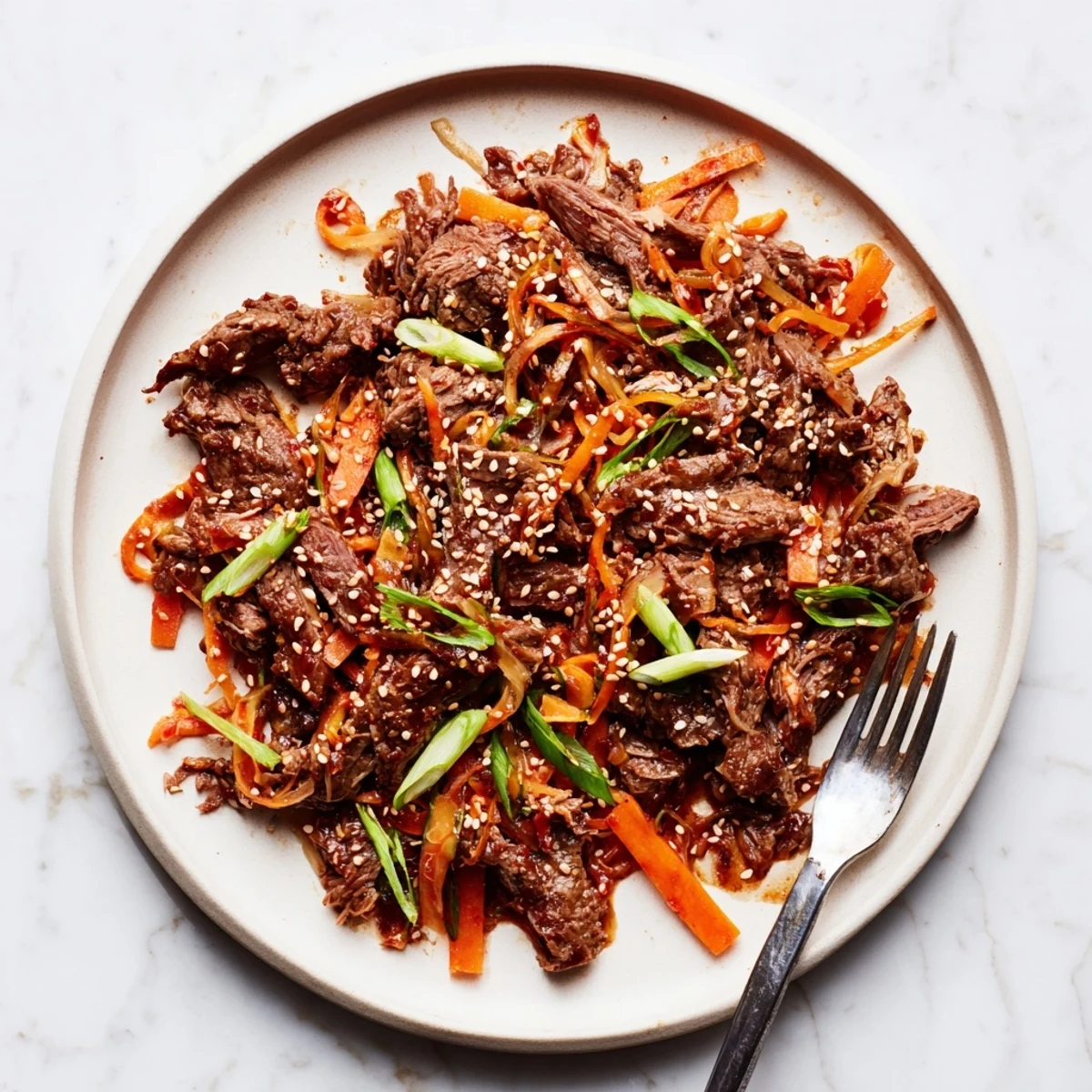
Save This Korean-inspired pot roast transforms humble beef chuck into meltingly tender meat through slow braising in a deeply flavorful sauce. The savory-sweet marinade combines soy sauce, gochujang Korean chili paste, ginger, garlic, and sesame oil, creating rich umami flavors that permeate every fiber of the beef.
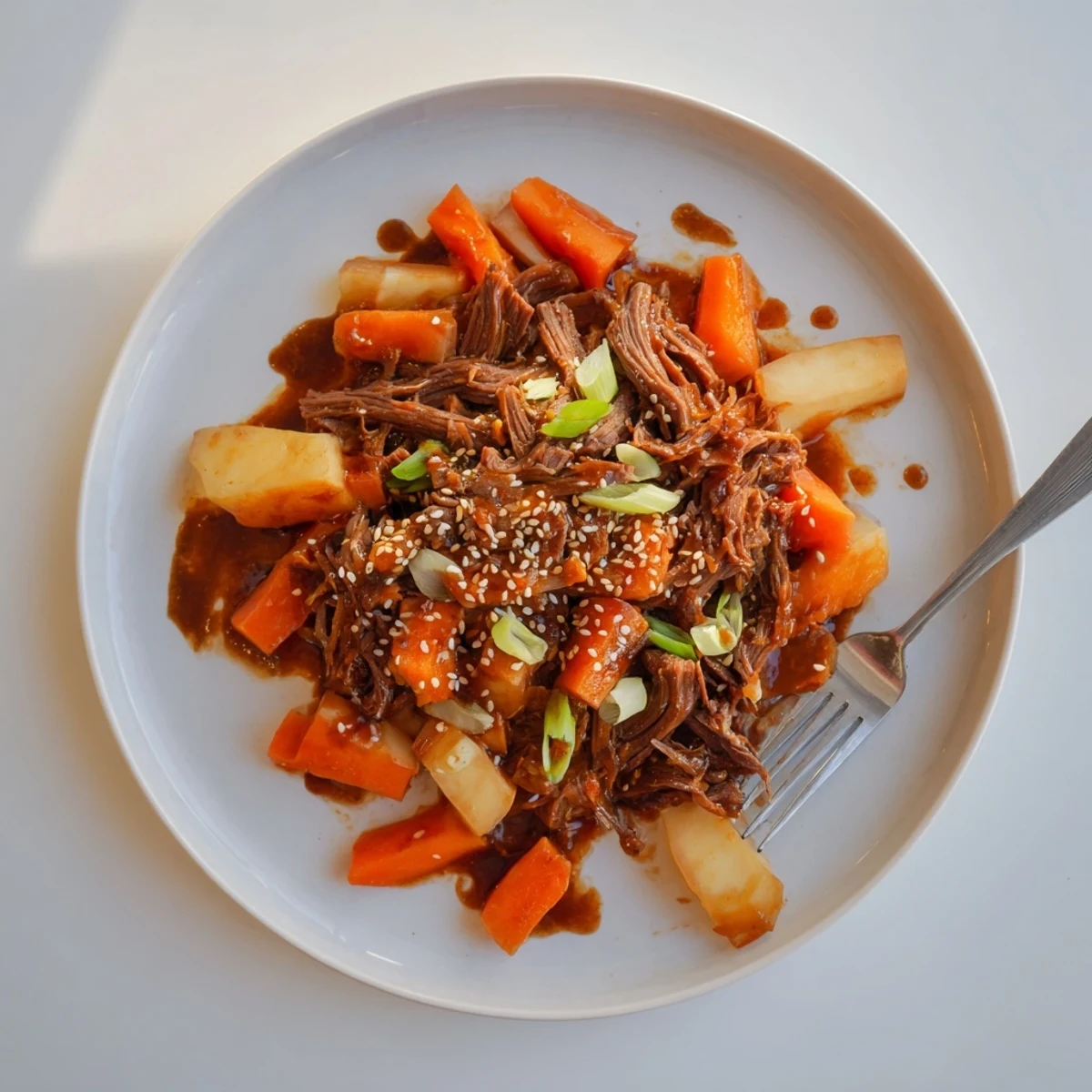
Root vegetables like carrots and daikon radish absorb the complex sauce while simmering alongside the meat for three hours. The finished dish offers incredibly tender beef that shreds easily, with a thickened glaze that perfectly balances sweet, salty, and subtle heat. Serve over steamed rice with kimchi for a complete Korean fusion meal.
The first time I made this Korean-style pot roast, my kitchen smelled like the best fusion restaurant I'd never been to. I'd been experimenting with gochujang for months, adding it to everything from scrambled eggs to marinades, but something told me it would transform a humble chuck roast into something extraordinary. That afternoon, as the beef slow-cooked, the combination of soy, garlic, ginger, and that signature Korean chili paste filled every corner of my home. My roommate stuck her head in the door and asked if I'd secretly taken up professional cooking.
I served this roast for my dad's birthday dinner last winter. He's a traditional pot roast purist, raised on the classic onions-carrots-potatoes version my grandmother made every Sunday. When he took his first bite, he went quiet for a long moment, then reached for seconds without saying a word. Later he admitted that sometimes the best traditions are the ones we haven't discovered yet.
Ingredients
- Beef chuck roast (3-3.5 lbs): Chuck roast has enough marbling to stay juicy through hours of cooking, and the connective tissue breaks down into that velvety texture that makes pot roast so comforting
- Kosher salt and black pepper: A generous seasoning before searing creates that beautiful crust that adds depth to every bite
- Low-sodium soy sauce: Using low-sodium lets you control the salt level since the sauce reduces and concentrates in the oven
- Gochujang (Korean chili paste): This fermented chili paste brings umami, heat, and a subtle sweetness that makes this roast unforgettable
- Fresh ginger and garlic: Fresh aromatics make all the difference here, so don't even think about using the powdered stuff
- Sesame oil: Toasted sesame oil adds that nutty, aromatic finish that screams Korean cuisine
- Daikon radish: Daikon absorbs the sauce beautifully while maintaining a pleasant crunch that balances the melting beef
- Toasted sesame seeds and scallions: These garnishes might seem optional, but they add that restaurant-style finish that makes the dish feel special
Instructions
- Get your oven ready:
- Preheat to 325°F and move your oven rack to the lower middle position so there's plenty of room for your Dutch oven
- Season the beef:
- Pat the roast thoroughly dry with paper towels, then rub it all over with the salt and pepper, pressing gently to help it adhere
- Create a beautiful crust:
- Heat your Dutch oven over medium-high heat, add a splash of oil, and sear the roast on all sides until it's deep golden brown and smells amazing
- Build the flavor base:
- Toss in the sliced onions and let them soften briefly while you whisk together the sauce components in a bowl
- Assemble everything:
- Nestle the beef back into the pot, arrange the carrots, daikon, and scallion pieces around it, then pour that gorgeous sauce over everything
- Let the oven work its magic:
- Bring the liquid to a simmer on the stove, cover tightly, and transfer to the oven for 3 hours of hands-off cooking
- Finish with care:
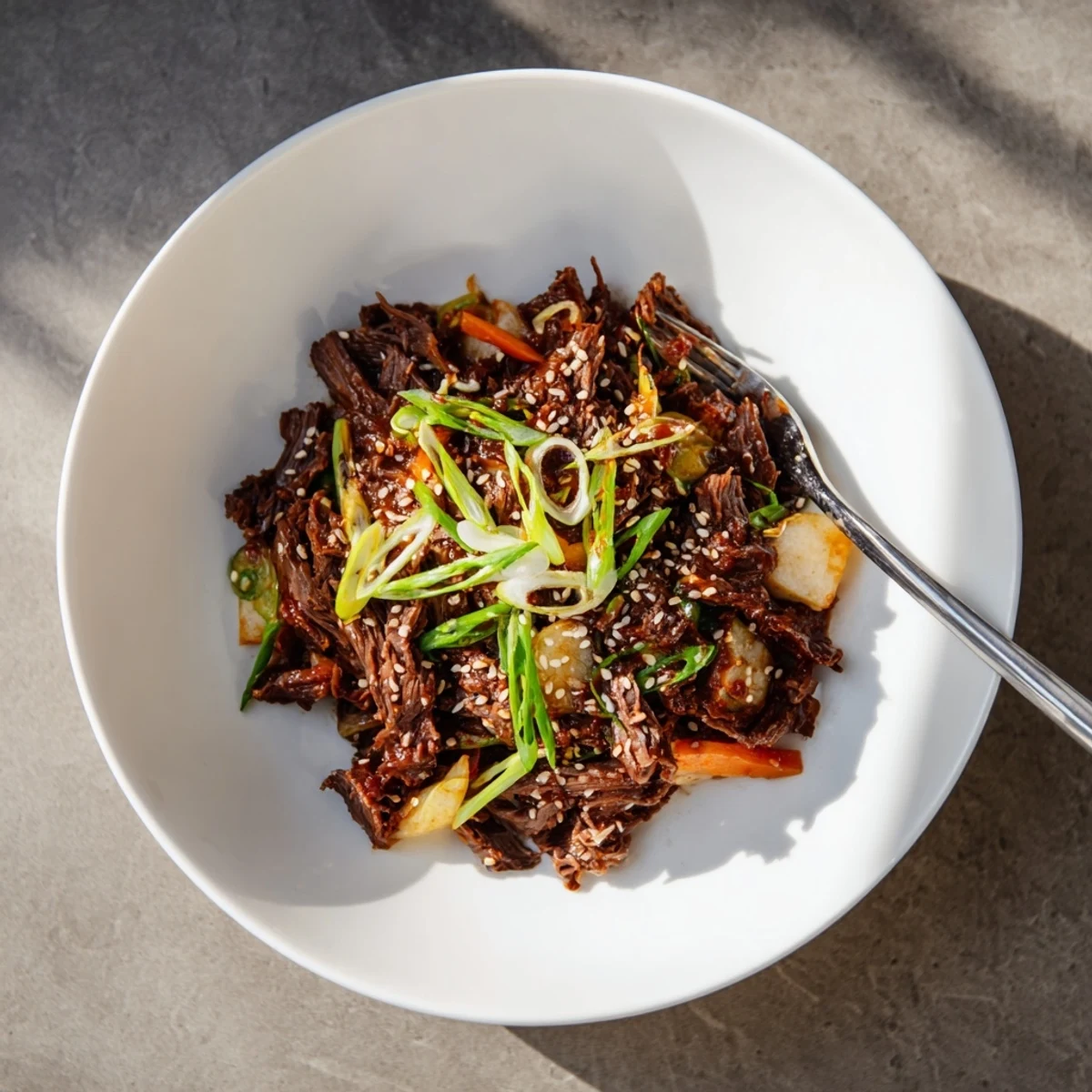
- Remove the roast to a platter, skim any excess fat from the sauce, reduce it if you'd like it thicker, then slice or shred the beef and spoon that rich sauce over the top
 Save
Save This recipe has become my go-to for Sunday suppers with friends. There's something about the house-filling aroma and the hands-off cooking time that lets people linger around the kitchen island, talking and laughing while dinner essentially cooks itself. Last month, my friend Sarah asked for the recipe before she'd even finished her first plate.
Choosing The Right Cut
I've tested this with different beef cuts and chuck roast remains unbeatable for texture and flavor. Look for a piece with good marbling and some visible connective tissue, those break down during cooking and create that silky mouthfeel we're after. Shoulder roast works in a pinch, but it tends to be slightly less tender.
Perfect Pairings
Steamed white rice is classic and lets that incredible sauce really shine, but I've also served this over buttered noodles or alongside fluffy mashed potatoes. A simple cucumber salad dressed with rice vinegar helps cut through the richness, and some kimchi on the side adds perfect contrast and authenticity.
Make It Ahead
This roast actually improves with time, so feel free to make it a day ahead and refrigerate the whole thing in the cooking liquid. The next day, slice the cold beef against the grain for perfect portions, reheat everything gently in the sauce, and you'll have a weeknight dinner that tastes like you spent all day cooking.
- The flavors deepen and meld overnight in the refrigerator
- Slicing the cold meat gives you cleaner, more professional-looking portions
- Reheat slowly over medium-low heat so the beef doesn't toughen up
 Save
Save There's something profoundly satisfying about a recipe that takes familiar comfort food and gives it a whole new personality. This Korean-style pot roast has become one of those dishes I find myself craving on cold evenings and rainy weekends, and I hope it finds a permanent place in your rotation too.
Common Recipe Questions
- → What cut of beef works best for this Korean pot roast?
-
Beef chuck roast is ideal because it becomes meltingly tender during long, slow cooking. The marbling breaks down beautifully while absorbing the Korean-inspired sauce flavors.
- → Can I make this dish in a slow cooker instead of the oven?
-
Yes, cook on low for 8-10 hours or high for 4-6 hours. The sauce may need reducing on the stovetop afterward for the best consistency.
- → What can I substitute for gochujang Korean chili paste?
-
Mix sriracha with a touch of miso paste and brown sugar, or use red pepper flakes with tomato paste. The flavor profile will shift slightly but remain delicious.
- → How spicy is this Korean-style roast?
-
Mild to medium heat from gochujang. Adjust spiciness by adding more chili paste or red pepper flakes for extra warmth.
- → Can I prepare this Korean pot roast ahead of time?
-
Yes, it actually improves overnight. Reheat gently on the stovetop, adding splashes of beef broth if the sauce thickens too much.