
 Save
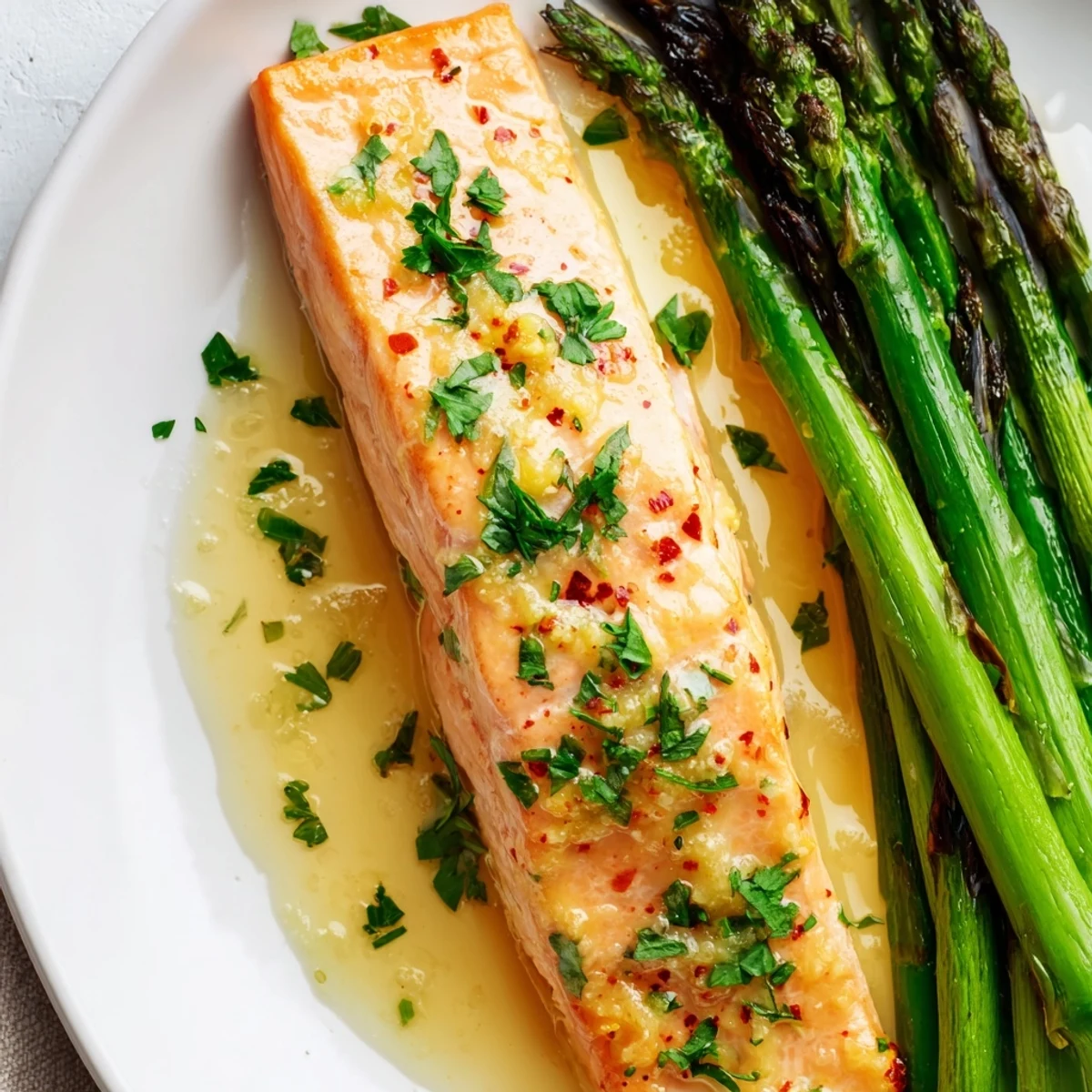
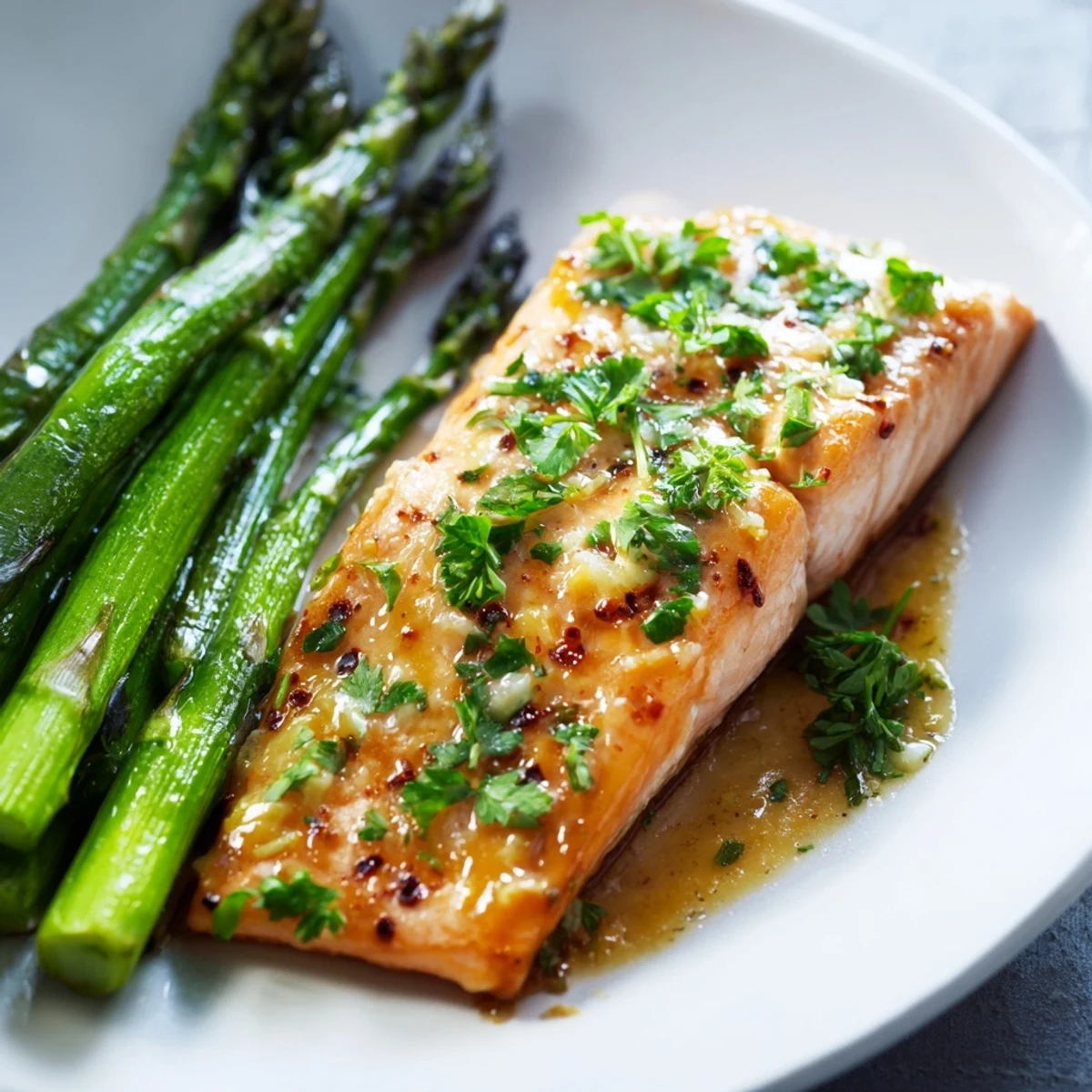
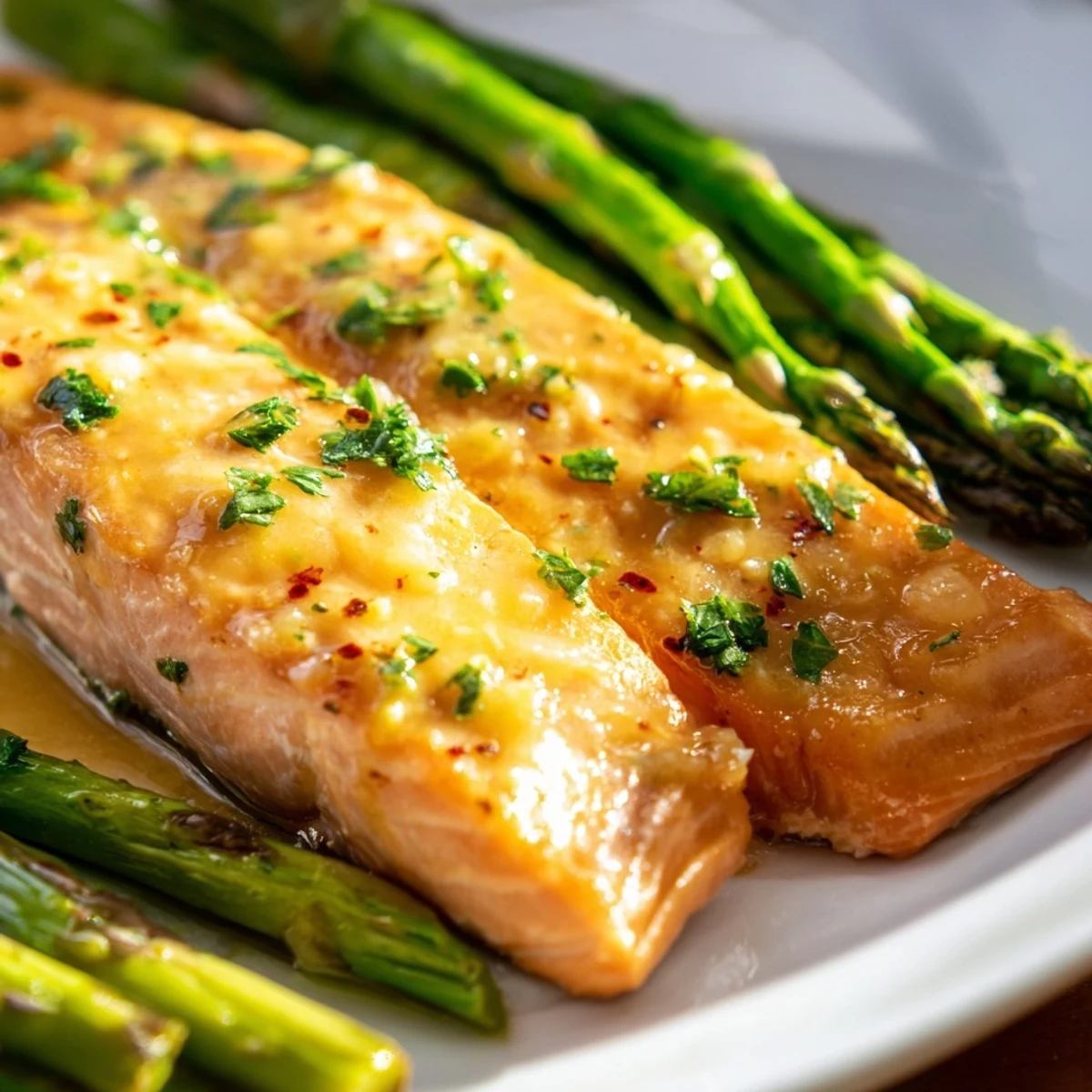
Save This dish features moist salmon fillets baked in a rich lemon-garlic butter sauce, delivering vibrant citrus and aromatic garlic notes. Fresh asparagus is roasted to tender-crisp perfection, complementing the fish with subtle earthiness and texture. Combining quality ingredients like fresh thyme, parsley, and paprika adds depth and balance. It’s quick to prepare and ideal for a wholesome, flavorful main course that highlights simple techniques and fresh flavors.
There's something about the smell of lemon and garlic hitting a hot pan that makes everything feel intentional in the kitchen. I discovered this salmon dish on a Tuesday evening when I had four salmon fillets and absolutely no plan, so I started roasting asparagus and let instinct take over with butter and lemon. The result was so effortless and elegant that I've made it dozens of times since—it's become my go-to when I want something that tastes like I spent hours thinking about it, when really I spent ten minutes prepping.
I made this for my sister on a Sunday afternoon, and she sat at the counter just eating asparagus spears with her fingers while we talked, completely oblivious to how good it was. That's when I knew it wasn't just food—it was the kind of dish that makes people relax and show up differently at the table.
Ingredients
- Salmon fillets (4, about 150g each): Look for fillets that feel firm and smell briny, not fishy—the fresher it is, the better it tastes with something this simple.
- Fresh asparagus (about 450g): Snap off the woody ends by hand instead of cutting; they'll break right where the tender part begins.
- Unsalted butter (3 tablespoons) and olive oil (3 tablespoons divided): The butter carries the garlic flavor while the oil keeps things from browning too fast.
- Garlic (3 cloves, minced): Mince it fine so it disperses into the sauce rather than leaving chunky pieces.
- Lemon: Zest it before you juice it, and don't skip either—the zest adds brightness while the juice brings acidity that cuts through the richness.
- Fresh thyme and parsley (1 teaspoon each): These herbs whisper rather than shout, keeping the focus on the salmon and lemon.
- Paprika (1/2 teaspoon): It adds a gentle warmth and a hint of color without any heat.
- Salt and pepper: Season generously; the asparagus especially needs enough salt to taste like itself.
Instructions
- Get everything ready:
- Preheat your oven to 200°C (400°F) and line a baking sheet with parchment paper—this is your safety net for cleanup and even cooking.
- Arrange your players:
- Lay the salmon skin-side down in the center of the sheet, and tuck the asparagus spears around it in a single layer, like they're supporting actors in a play.
- Make the magic sauce:
- Whisk together the melted butter, 2 tablespoons olive oil, garlic, lemon zest, lemon juice, thyme, parsley, paprika, salt, and pepper until it smells like a restaurant kitchen. Taste a tiny bit on your finger and adjust the salt if it needs it.
- Coat everything:
- Pour or brush the butter mixture over the salmon and asparagus, then drizzle that last tablespoon of olive oil over the asparagus to help it crisp up.
- Bake until perfect:
- Slide it into the oven for 15–18 minutes—the salmon should be opaque and flake easily with a fork, and the asparagus should be tender with a slight snap when you bite it.
- Optional golden finish:
- If you want the asparagus tips to turn golden and a little charred, broil it for 2–3 minutes, but watch it closely so nothing burns.
- Finish and serve:
- Pull it out, scatter extra parsley and lemon wedges over everything, and get it to the table while it's still warm.
 Save
Save There's a moment, right when the dish comes out of the oven and the steam rises up, where everyone at the table inhales at the same time. That collective breath is when I know it worked.
Why This Combination Works
Salmon and lemon are a classic pairing for a reason—the acid in the lemon cuts through the richness of the fish and makes every bite feel brighter. Garlic and butter create this savory, almost nutty base that anchors everything, while the asparagus adds a clean, slightly peppery note that makes the whole plate feel balanced. The fresh herbs tie it together without overwhelming the main event, and roasting everything on one sheet means the flavors have time to mingle and deepen in the heat.
Timing and Temperature Matter
Salmon cooks fast, which is both a blessing and something to respect—cook it past 18 minutes and it starts to dry out, no matter how much butter you use. The key is knowing your oven; mine runs slightly hot, so I check at 15 minutes by poking the thickest part of a fillet with a fork. If you're nervous, start checking earlier and pull it out the moment it flakes. Room temperature ingredients cook more evenly, so if you've got time, let the salmon sit out for five minutes before it goes in.
Serving and Pairing Ideas
This dish stands beautifully on its own, but if someone wants more on their plate, roasted potatoes or rice soak up the pan sauce in the best way. A crisp white wine like Sauvignon Blanc or Pinot Grigio is practically made for this meal—the acidity echoes the lemon and feels elegant without trying too hard. If you want to elevate it, shave Parmesan over the asparagus before roasting, or add a pinch of red pepper flakes to the butter sauce if you like a little heat.
- Serve with crusty bread to soak up every drop of that butter sauce.
- A simple green salad on the side keeps the meal fresh and balanced.
- Make it ahead by prepping the sauce and arranging the sheet the night before—just add 2–3 minutes to the cooking time if everything is cold.
 Save
Save This is the kind of recipe that earns its place in your regular rotation because it works every single time and makes you feel like you know what you're doing in the kitchen. Come back to it when you need something simple, something impressive, or just something that makes the table feel a little warmer.
Common Recipe Questions
- → What is the best way to ensure moist salmon fillets?
-
Baking salmon in lemon-garlic butter helps retain moisture while adding flavor. Avoid overcooking to keep the fillets tender and flaky.
- → How should asparagus be prepared for roasting?
-
Trim the woody ends and toss asparagus with olive oil before arranging it around the salmon to roast evenly and achieve a tender-crisp texture.
- → Can I substitute fresh herbs in this dish?
-
Fresh thyme and parsley provide bright flavors, but dill or tarragon can be used as alternatives depending on your preference.
- → What temperature and duration are ideal for baking?
-
Bake at 400°F (200°C) for about 15–18 minutes until salmon flakes easily and asparagus is tender-crisp.
- → How can I add extra flavor to the asparagus?
-
Sprinkling grated Parmesan cheese over the asparagus before roasting adds savory depth and a golden finish.
- → Are there pairing suggestions for this meal?
-
This dish pairs well with roasted potatoes or rice and white wines like Sauvignon Blanc or Pinot Grigio.