
 Save
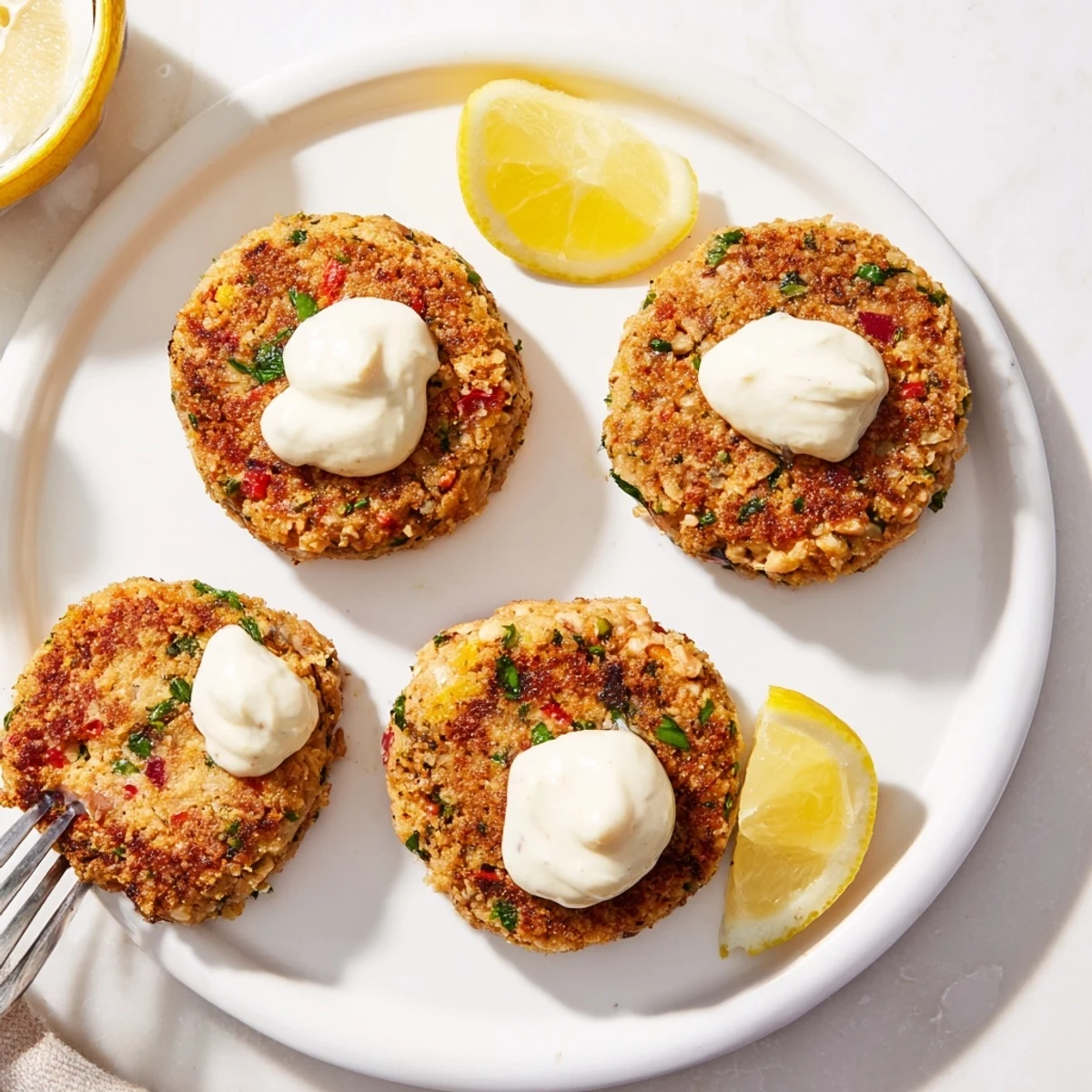
Save These golden, pan-fried salmon cakes feature flaky wild Alaska salmon combined with fresh lemon zest, aromatic garlic, and crunchy panko breadcrumbs.
Each cake is seared to perfection in olive oil, creating a satisfyingly crisp exterior while staying tender and moist inside.
Served alongside a creamy lemon garlic aioli, they make an excellent appetizer or main course that comes together in just 35 minutes from start to finish.
The smell of salmon hitting a hot pan on a rainy Tuesday evening is one of those small kitchen pleasures that makes you forget the day ever happened. I threw these cakes together on a whim with leftover fillets and a lemon that had been sitting on the counter looking hopeful for a week. The aioli came about because I refused to let a single garlic clove go to waste, and honestly it stole the show.
I made a double batch of these for a friends potluck last summer and watched three people fight over the last cake while standing in a kitchen that smelled like a coastal seafood shack. My friend David, who claims he does not like fish, ate four of them and then asked for the recipe with zero shame.
Ingredients
- 1 lb wild Alaska salmon fillets, skin removed: The quality of your salmon matters here more than anything, so buy the best you can find and treat it gently when flaking.
- 1 cup panko breadcrumbs: Panko gives a lighter crunch than regular breadcrumbs and keeps the cakes from feeling dense or heavy.
- 2 large eggs, lightly beaten: These bind everything together without making the mixture gummy, so do not overmix once they are in.
- 2 tbsp fresh parsley, chopped: Adds a bright freshness that cuts through the richness, and you can swap in dill or chives if that is what you have.
- Zest of 1 lemon: The zest carries more aromatic oil than the juice, so do not skip it even if you think it will not matter.
- 2 tbsp lemon juice: Brings just enough acidity to wake up every flavor in the cake without making it soggy.
- 2 garlic cloves, minced: Fresh garlic only, and mince it as finely as you can so no one bites into a sharp raw chunk.
- 1/4 cup finely diced red onion: A subtle crunch and sweetness that disappears into the cake beautifully if you dice it small enough.
- 1 tbsp Dijon mustard: Works behind the scenes to deepen the savory flavor without tasting like mustard at all.
- 1/2 tsp salt and 1/4 tsp black pepper: Just enough to season, you can always add more at the end but you cannot take it away.
- 2 tbsp olive oil, for frying: A thin film in a hot pan is all you need to get that golden crust without greasy cakes.
Aioli Ingredients
- 1/2 cup mayonnaise: Use a good quality one since it is the base, or make your own if you are feeling ambitious.
- 1 garlic clove, finely minced: One clove is enough to perfume the whole bowl without overpowering it.
- 2 tsp lemon juice: Balances the richness of the mayo and ties the aioli back to the lemon in the cakes.
- 1 tsp Dijon mustard: Gives the aioli a barely there sharpness that makes it more interesting than plain mayo.
- Salt and pepper, to taste: Start with a pinch of each, stir, taste, and adjust before you serve.
Instructions
- Bake the salmon:
- Preheat your oven to 350 degrees and lay the fillets on a parchment lined sheet with a whisper of salt and pepper. Bake for twelve to fifteen minutes until it just flakes apart, then let it cool slightly before breaking it into large tender pieces with a fork.
- Build the cakes:
- Tumble the flaked salmon into a big bowl with breadcrumbs, eggs, parsley, lemon zest, lemon juice, garlic, red onion, mustard, salt, and pepper. Fold everything together gently with your hands or a spatula until just combined, being careful not to mash the salmon into paste.
- Shape and chill:
- With damp hands, form the mixture into eight small cakes or four larger patties, pressing firmly enough that they hold together but not so hard that you compress them. A brief rest in the fridge for ten minutes helps them set up and prevents falling apart in the pan.
- Fry until golden:
- Heat olive oil in a non stick skillet over medium heat and add the cakes without crowding the pan. Cook three to four minutes per side until you get a deep golden crust, then drain briefly on paper towels.
- Whisk the aioli:
- In a small bowl, stir together mayonnaise, minced garlic, lemon juice, Dijon, salt, and pepper until smooth. Taste it and adjust the seasoning so it makes your mouth water a little.
- Serve and enjoy:
- Arrange the warm cakes on a plate with a generous dollop of aioli and some lemon wedges alongside. Eat them immediately because the contrast of the crisp exterior and the cool creamy sauce is the whole point.
 Save
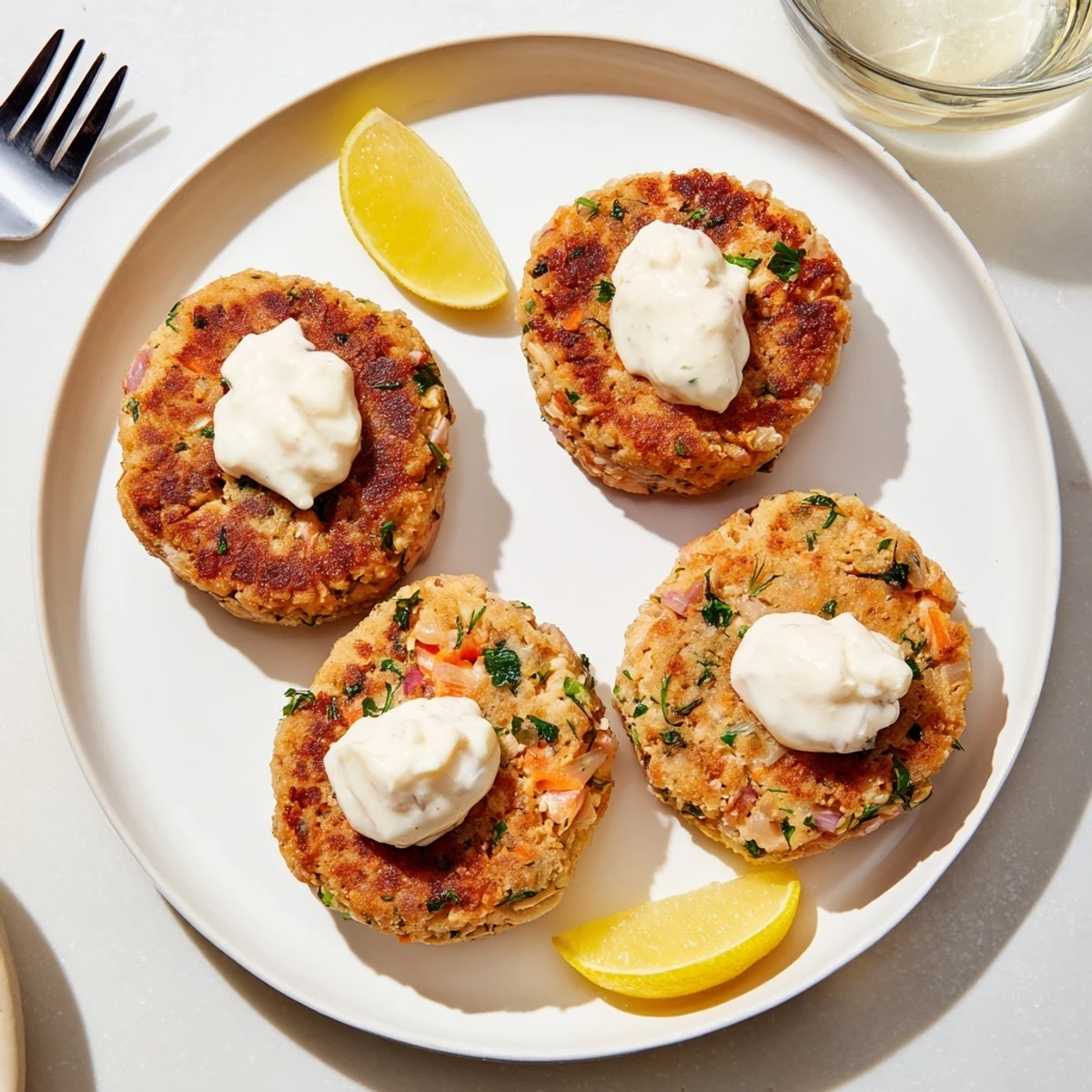
Save One cold January evening I plate these up with nothing but a simple arugula salad and a glass of white wine, and my kitchen suddenly felt like a tiny bistro on the coast of somewhere far away.
What to Serve Alongside
These cakes are versatile enough to go in almost any direction you want. A bright peppery salad with a vinaigrette cuts through the richness perfectly, while roasted asparagus or green beans make it feel like a proper weeknight dinner.
Storage and Reheating
Leftover cakes keep well in the refrigerator for up to two days if you store them in an airtight container with paper towels between layers. Reheat them in a skillet over medium heat for a few minutes per side rather than using the microwave, which will soften the crust into something sad.
Wine and Pairing Thoughts
A crisp Sauvignon Blanc or an unoaked Chardonnay is the classic move here and for good reason, but honestly a cold light beer works just as well on a casual night.
- For a gluten free version, swap in certified gluten free breadcrumbs and double check your mustard brand.
- Dill or chives can replace the parsley if you want to shift the flavor profile toward something more Scandinavian.
- Always taste your aioli before serving because a flat tasting sauce will drag down an otherwise perfect cake.
 Save
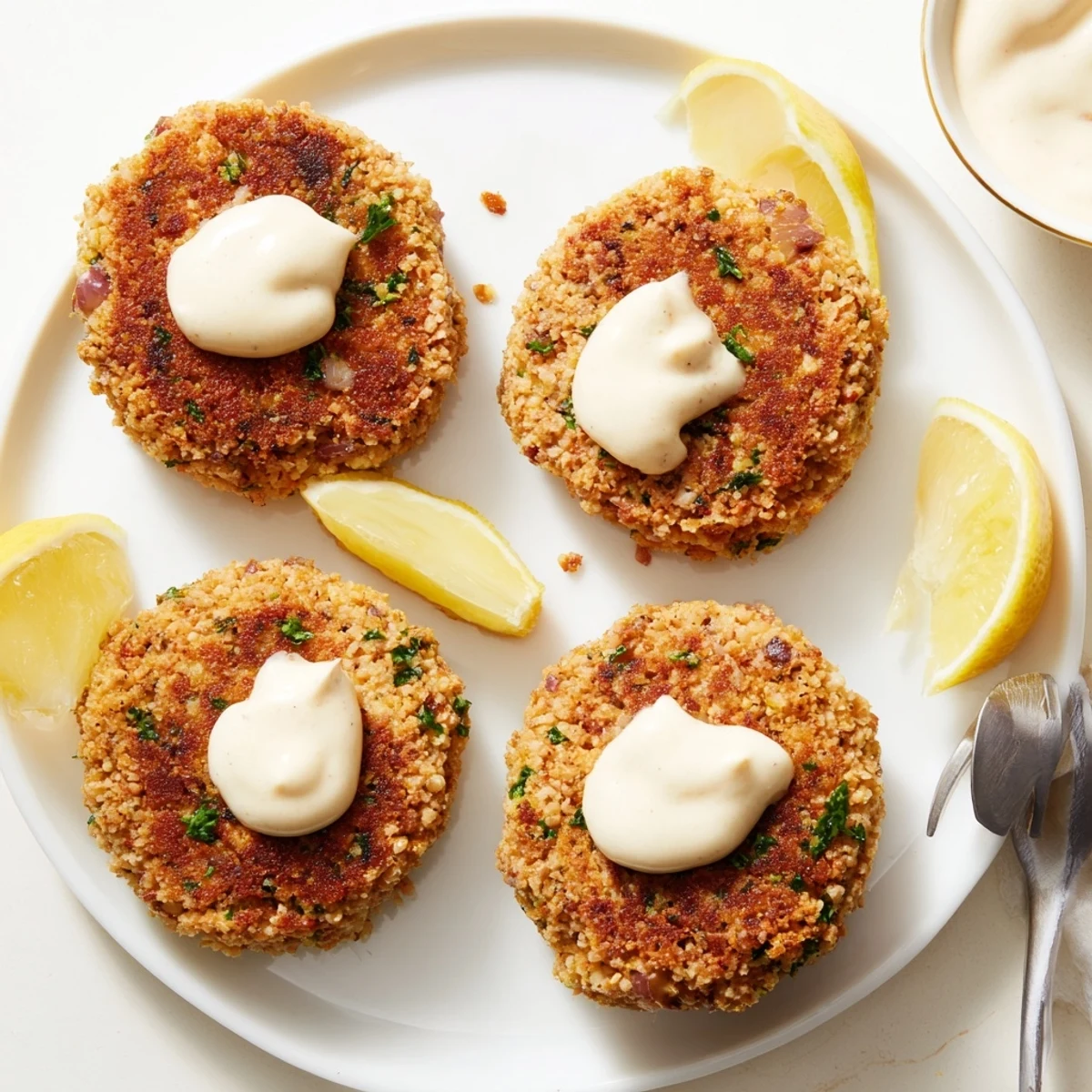
Save These salmon cakes are proof that a handful of simple ingredients treated with a little care can become something far greater than the sum of their parts. Make them once and they will quietly become part of your regular rotation.
Common Recipe Questions
- → Can I use canned salmon instead of fresh fillets?
-
Yes, canned wild Alaska salmon works well as a time-saving alternative. Drain it thoroughly and remove any bones before mixing. Reduce the salt slightly since canned salmon tends to be saltier than fresh.
- → How do I keep the salmon cakes from falling apart?
-
Make sure the mixture isn't too wet by not over-draining the salmon. The eggs and breadcrumbs act as binders. Chilling the formed patties for 15–20 minutes in the refrigerator before cooking also helps them hold together during pan-frying.
- → What can I substitute for mayonnaise in the aioli?
-
Greek yogurt makes a lighter, tangy alternative to mayonnaise. You can also use a combination of plain yogurt and a touch of olive oil for creaminess. Vegan mayonnaise works great for a fully plant-based option.
- → Can I bake these salmon cakes instead of frying?
-
Absolutely. Arrange the formed patties on a parchment-lined baking sheet, brush lightly with olive oil, and bake at 400°F (200°C) for about 12–15 minutes, flipping halfway through, until golden and cooked through.
- → How should I store leftover salmon cakes?
-
Store cooled salmon cakes in an airtight container in the refrigerator for up to 3 days. Reheat in a skillet over medium heat for the best texture, or in a 350°F oven for about 10 minutes. The aioli should be stored separately.
- → What side dishes pair well with salmon cakes and aioli?
-
A fresh arugula salad with lemon vinaigrette, roasted asparagus, garlic green beans, or a light coleslaw all complement the flavors beautifully. For a heartier meal, serve alongside herbed rice or roasted baby potatoes.