
 Save
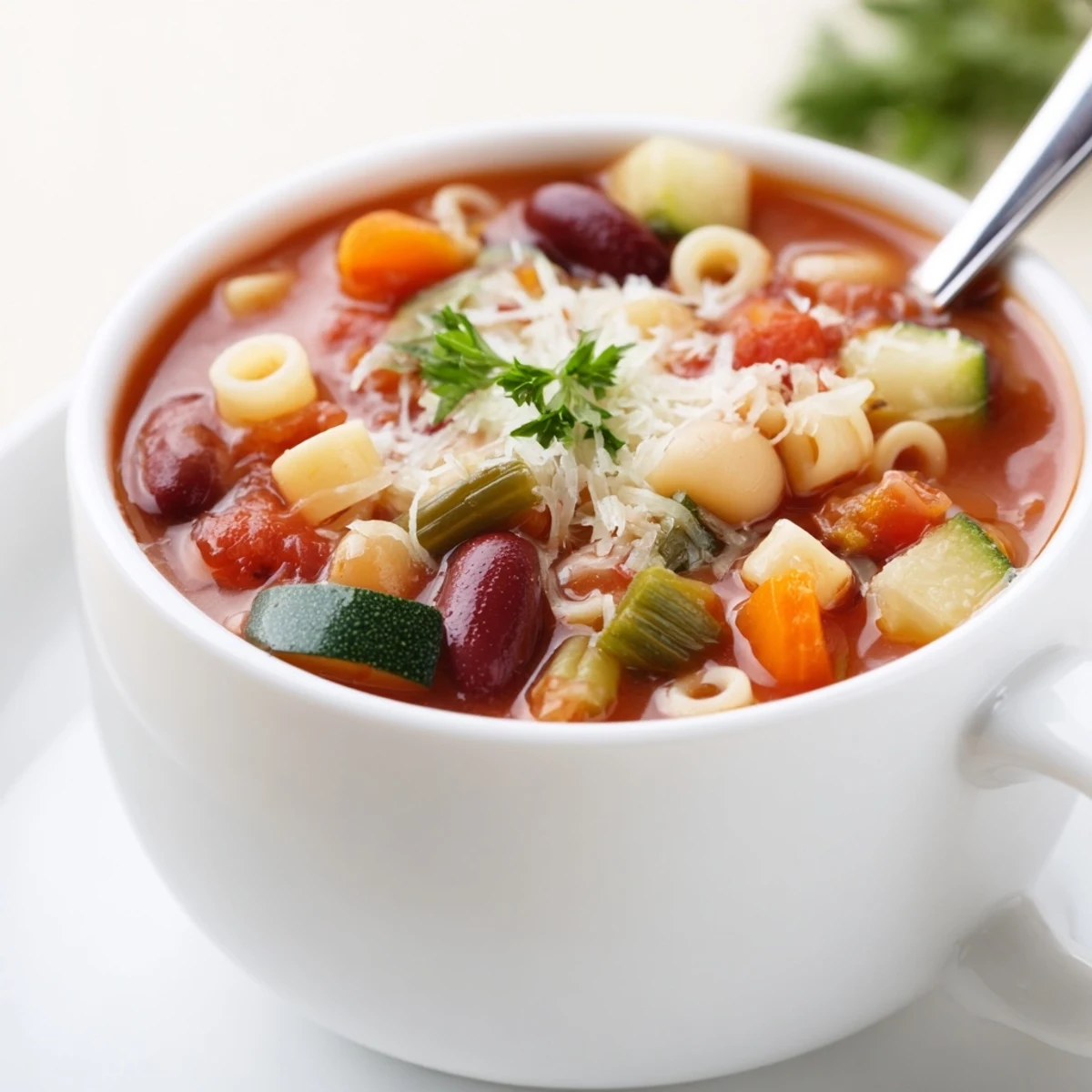
Save Ready in about an hour, this hearty Italian minestrone combines sautéed aromatics, seasonal vegetables, cannellini and kidney beans, small pasta and a tomato-based broth. Start by softening onion, carrots and celery, then add garlic, zucchini, potato and green beans before simmering with broth and herbs. Stir in pasta until tender, finish with parsley and grated Parmesan for a comforting, filling main for six.
The rain was drumming against the kitchen window so hard I could barely hear the pot lid rattling, and somehow that was exactly the right soundtrack for minestrone. I had a half empty pantry, a can of beans I kept ignoring, and a potato that was one day away from sprouting. What came together in that pot surprised me so much I made it again three nights later, then again the following weekend. Now it is the soup I reach for when nothing else feels right.
My friend Marco walked in once while I was making this, took one sniff, and said it smelled like his nonnas kitchen in Bologna. He sat at the counter and did not leave until the entire pot was gone.
Ingredients
- Olive oil: Use a generous hand here because it carries the flavor of every vegetable that hits the pan after it.
- Onion, carrots, and celery: This classic soffritto trio is the backbone of anything that tastes truly Italian.
- Garlic: Minced fine so it melts into the broth rather than sitting in harsh chunks.
- Zucchini: Adds a gentle sweetness and body that you do not realize you are missing until you skip it.
- Potato: A small one is enough to give the soup creamy texture without making it heavy.
- Green beans: Snap off the ends and chop them small so every spoonful gets a bit of bite.
- Diced tomatoes: The canned version actually works better than fresh here because the juices become part of the broth.
- Vegetable broth: Low sodium is best so you can control the salt level as it reduces.
- Cannellini and kidney beans: Two types of beans give varied texture and double the protein without any effort.
- Small pasta: Ditalini is traditional and catches bits of broth inside each tiny tube.
- Dried oregano and basil: Rub them between your fingers before adding to wake up the oils.
- Fresh parsley and Parmesan: Optional but honestly they are the finishing touches that make it memorable.
Instructions
- Build the flavor base:
- Warm the olive oil in a large pot over medium heat and add the onion, carrots, and celery, stirring until the onion turns translucent and your kitchen starts smelling like a trattoria at lunchtime.
- Add the hearty vegetables:
- Toss in the garlic, zucchini, and potato, stirring occasionally so nothing sticks but everything gets slightly golden and fragrant.
- Bring in the tomatoes and green beans:
- Pour in the diced tomatoes with all their juices and scatter in the green beans, giving everything a good stir so the colors mingle.
- Build the broth:
- Add the vegetable broth and both types of beans, then sprinkle in the oregano, basil, bay leaf, salt, and pepper, stirring until the kitchen smells impossibly warm.
- Let it simmer:
- Bring the pot to a boil then immediately drop the heat to low and let it bubble gently for fifteen minutes while you resist the urge to keep lifting the lid.
- Cook the pasta right in the soup:
- Stir in the small pasta and cook for about ten more minutes until the pasta is tender and has soaked up some of that beautiful broth.
- Finish and serve:
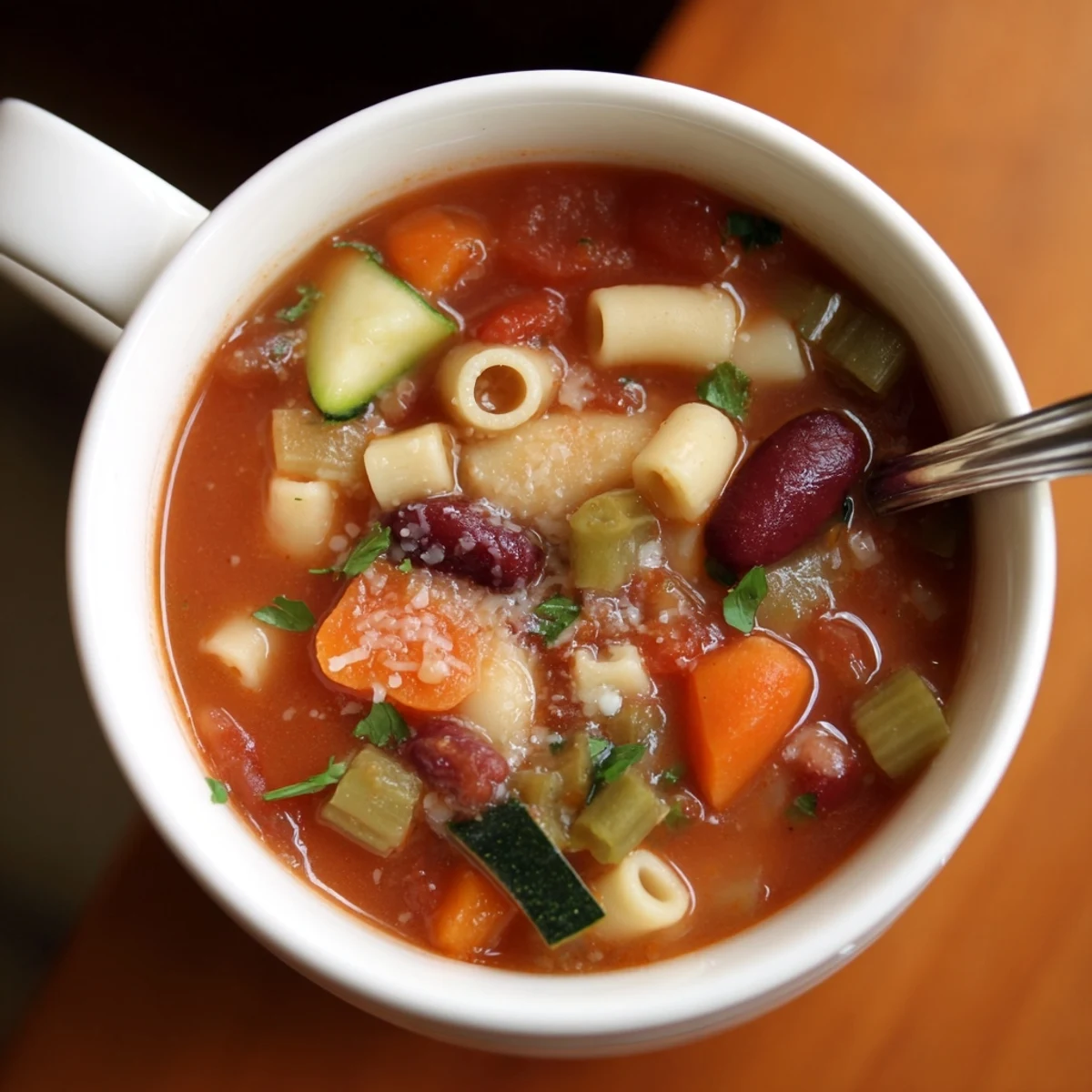
- Fish out the bay leaf, taste the broth and add more salt or pepper if it needs it, then ladle into bowls and shower with parsley and Parmesan.
 Save
Save One January evening I brought a thermos of this to a neighbor who had been sick all week, and she returned the thermos two days later with a handwritten note asking for the recipe.
What to Swap by Season
In summer I throw in a handful of chopped fresh tomatoes and a big bunch of basil at the very end. Fall calls for chunks of butternut squash or a cup of shredded kale stirred in during the last five minutes. Winter minestrone loves a cup of savoy cabbage and even a Parmesan rind tossed into the broth for richness.
Allergens and Easy Fixes
The pasta contains wheat, so swap in a gluten free brand if that is a concern and the soup behaves exactly the same. For dairy free, simply skip the Parmesan or use a good plant based alternative. Always scan your broth and canned tomato labels because hidden allergens love to hide in those ingredient lists.
Tools and Storage
A large heavy bottomed soup pot is really all you need, along with a wooden spoon and a good ladle. Store leftovers in an airtight container in the refrigerator for up to four days, and know that the second day bowl will taste richer and more layered than the first.
- Freeze portions in individual containers for up to three months and thaw overnight in the fridge.
- Add a splash of broth when reheating because the pasta will have soaked up extra liquid.
- Remember to label your freezer containers or you will be playing mystery soup roulette in February.
 Save
Save This is the kind of soup that makes your house smell like a place people want to stay. Ladle it generously and pass the cheese.
Common Recipe Questions
- → How can I make this minestrone vegan?
-
Use a plant-based Parmesan or omit cheese entirely; ensure the broth is vegetable-based and avoid any animal-derived toppings.
- → How do I make it gluten-free?
-
Swap the small pasta for gluten-free pasta, rice, or quinoa. Cook gluten-free pasta according to package directions and add it at the end to prevent sogginess.
- → Can I use dried beans instead of canned?
-
Yes. Soak and cook dried cannellini and kidney beans until tender before adding them to the pot; this requires more time but yields deeper flavor.
- → How do I prevent the pasta from becoming mushy?
-
Cook pasta separately and add to bowls when serving, or undercook the pasta by a minute before adding it to the simmering soup so it finishes cooking in the broth.
- → What’s the best way to store and reheat leftovers?
-
Cool quickly and refrigerate in an airtight container for 3–4 days, or freeze portions up to 3 months. Reheat gently on the stovetop and add a splash of broth if it has thickened.
- → How can I deepen the flavor of the broth?
-
Start with a soffritto of onion, carrot and celery, add a spoonful of tomato paste, a bay leaf and finish with fresh herbs, a drizzle of olive oil or a splash of vinegar to brighten the flavors.