
 Save
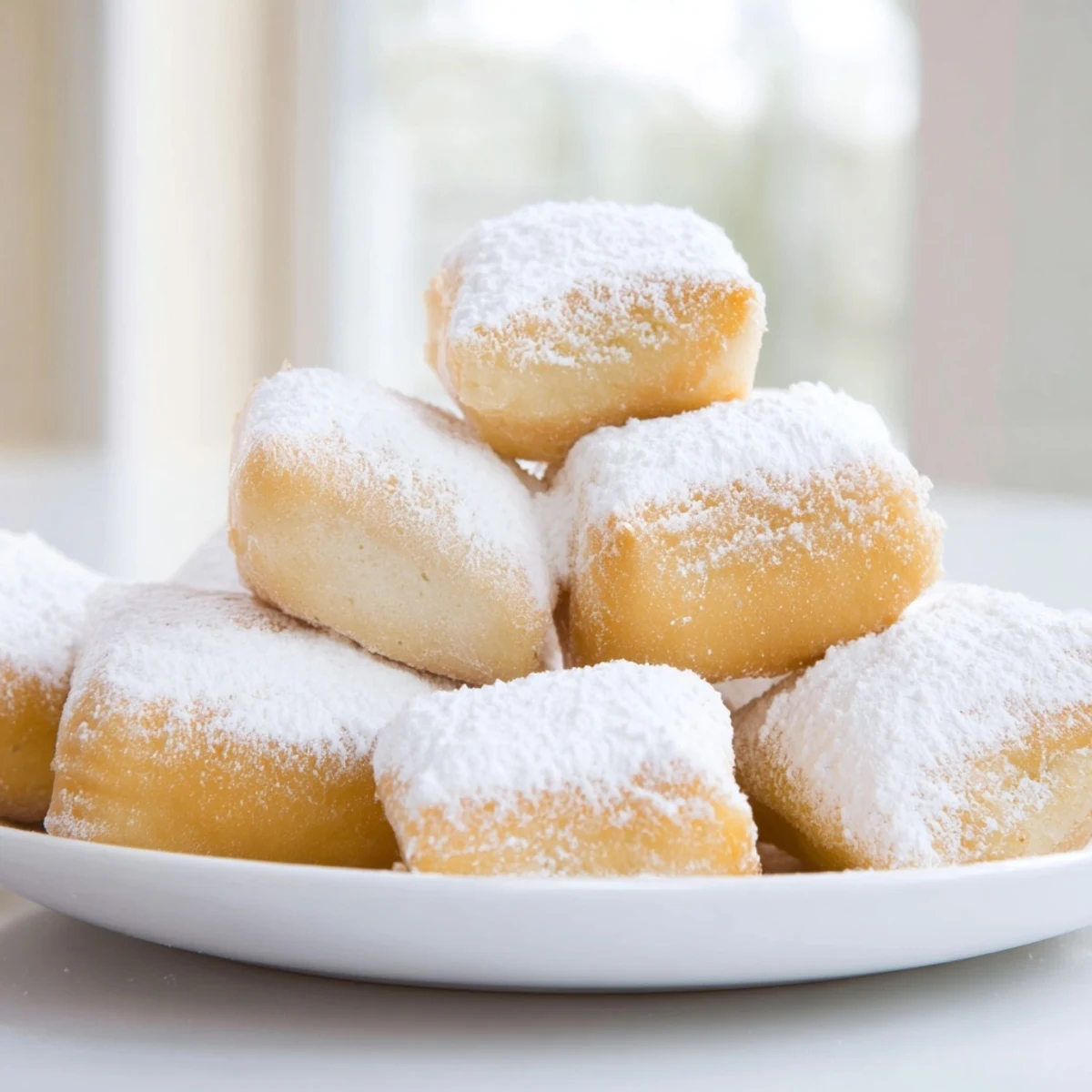
Save These New Orleans style beignets are light, fluffy, and golden fried to perfection. The dough, enriched with butter, egg, and vanilla, is left to rise for two hours, creating pillowy pastries. Once fried until crisp and golden, each square is generously dusted with powdered sugar for a sweet finish. Best enjoyed fresh and warm, these beignets bring the taste of New Orleans Creole tradition right to your kitchen.
The first time I bit into a warm beignet in New Orleans, powdered sugar snowed down my black shirt and I didn't care a bit. My husband and I had queued for forty minutes at Café du Monde, and when those golden squares arrived, steaming and piled high like edible clouds, I understood why people wait. The outside was crisp enough to shatter, the inside impossibly light, and that sugar everywhere just felt like part of the magic. Now I make them at home, and though I may never recreate that exact humid morning by the Mississippi, my kitchen comes pretty close.
Last winter, my sister came to visit during a snowstorm and I decided beignets were the perfect antidote to gray skies. We stood over the steaming oil taking turns, her cutting the dough squares while I managed the frying, powdered sugar coating every surface between laughter and near-miss oil splatters. By the time we sat down with our chicory coffee, the kitchen looked like a sugar factory had exploded, but those first warm bites made the mess entirely worth it.
Ingredients
- All-purpose flour: This creates the perfect structure for that classic pillowy texture we're after
- Whole milk: Adds richness and tenderness to the dough, making each bite softer
- Warm water: Activates the yeast at the right temperature, around 110°F works perfectly
- Granulated sugar: Feeds the yeast and adds just the right amount of sweetness to the dough itself
- Active dry yeast: One standard packet gives reliable rise every time, make sure it's fresh
- Large egg: Adds structure and helps create that beautiful golden color when frying
- Unsalted butter: Keep it softened so it incorporates evenly into the dough
- Salt: Enhances all the flavors and keeps the beignets from tasting flat
- Vanilla extract: That background warmth that makes people ask what's your secret
- Vegetable oil: Neutral flavor lets the beignets shine, and it handles the high heat beautifully
- Powdered sugar: Don't be shy here, that generous dusting is absolutely non-negotiable
Instructions
- Wake up the yeast:
- Stir together your warm water, one tablespoon of sugar, and yeast in a small bowl, then walk away for 5 to 10 minutes until you see a foamy layer on top
- Mix the wet ingredients:
- Whisk the milk, remaining sugar, egg, softened butter, and vanilla in your large bowl until everything's blended, then pour in that activated yeast mixture
- Bring the dough together:
- Gradually add the flour and salt, mixing until you have a sticky dough that holds together, then turn it out onto a floured surface and knead for about 5 minutes until it feels smooth and elastic
- Let it rise:
- Place your dough in a greased bowl, cover it with plastic wrap or a damp towel, and tuck it in a warm spot for roughly 2 hours until it's doubled in size
- Roll and cut:
- Punch down that risen dough gently, roll it out to about 1/4-inch thickness on a floured surface, then cut into 2 1/2-inch squares using a sharp knife or pizza cutter
- Fry to perfection:
- Heat your oil to 350°F and fry the beignets in batches, turning them occasionally, until they're puffed and golden brown on both sides, about 2 to 3 minutes per batch
- The finishing touch:
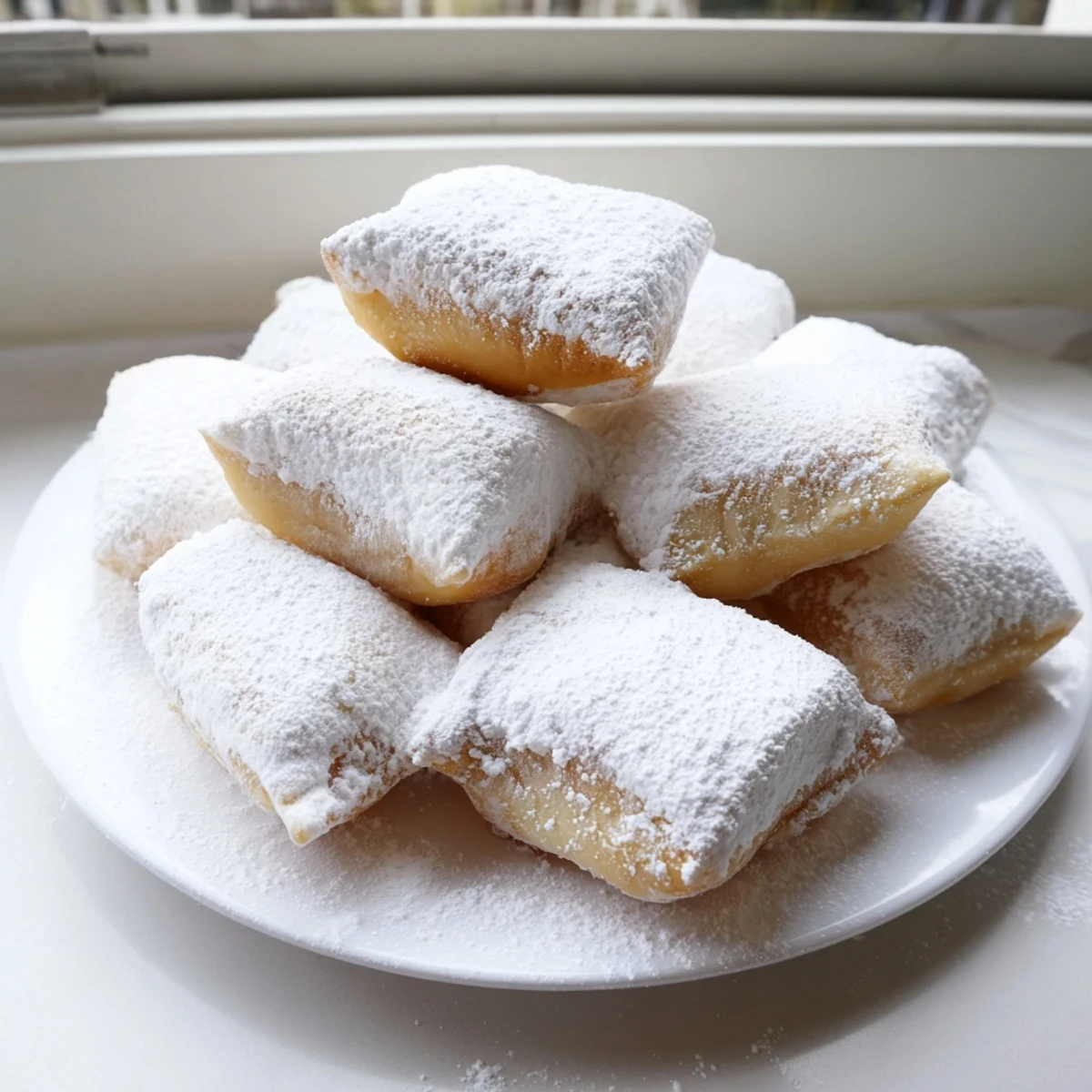
- Lift them out with a slotted spoon, let them drain briefly on paper towels, then dust generously with powdered sugar while they're still warm
 Save
Save My daughter now asks for beignets every Sunday morning, and it's become our little ritual. She's graduated from watching to cutting the squares herself, though the powdered sugar application remains enthusiastically messy. Some traditions are worth keeping.
Getting That Perfect Rise
The secret to exceptionally light beignets is giving your dough enough time to rise in a genuinely warm spot. I've learned the hard way that a chilly corner kitchen simply won't cut it, especially in winter. Sometimes I preheat my oven for just a minute, turn it off, and let the dough rise in there with the door cracked open. The yeast stays happy, the dough doubles beautifully, and you end up with those sought-after air pockets inside each fried square.
Frying Without Fear
Deep frying can feel intimidating, but beignets are actually quite forgiving once you understand the rhythm. The oil should bubble gently around each piece, not violently, and that steady 350°F temperature prevents them from absorbing too much grease or burning before they cook through. I keep a slice of bread handy to test the oil temperature when I'm unsure, and I never walk away from the stove even for a second. Hot oil demands respect, but the payoff is absolutely worth the careful attention.
Serving Suggestions
While beignets are glorious on their own, serving them with chicory coffee creates that authentic New Orleans experience. The slight bitterness of chicory balances the sweetness perfectly, and dipping a warm beignet into hot coffee is one of life's simple pleasures. For brunch gatherings, I'll sometimes set up a small station with different dipping sauces—chocolate ganache, caramel, or even a fruit complice—but honestly, plain with mountains of powdered sugar remains undefeated.
- Cut your dough squares slightly larger if you prefer thicker beignets that puff more dramatically
- A spider strainer works better than a slotted spoon for lifting multiple beignets at once
- Serve them immediately because every minute of waiting is a minute of lost perfection
 Save
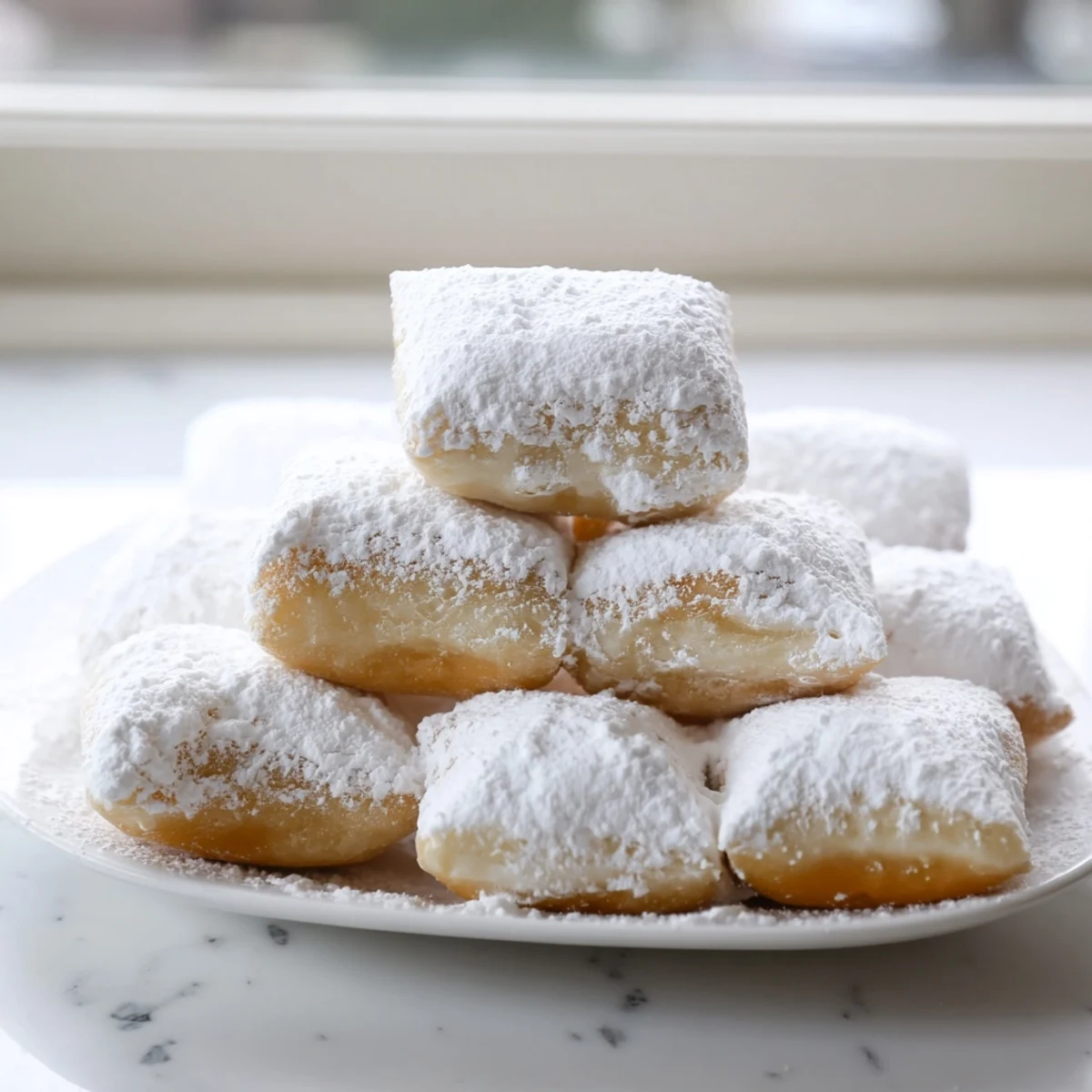
Save There's something profoundly satisfying about making beignets at home, about bringing a little piece of New Orleans magic into your own kitchen. Powdered sugar on your shirt is just proof you did it right.
Common Recipe Questions
- → What gives beignets their light and fluffy texture?
-
The combination of yeast fermentation and letting the dough rise for about two hours creates a soft, airy texture in the beignets.
- → Can I add extra flavors to the dough?
-
Yes, adding a pinch of nutmeg or cinnamon to the dough can enhance the flavor without overpowering the original taste.
- → What is the ideal oil temperature for frying beignets?
-
Maintain the oil temperature at 350°F (175°C) to ensure the beignets cook evenly and turn golden brown without absorbing too much oil.
- → How should I store leftover beignets?
-
Leftovers keep best when reheated in the oven to maintain the crisp texture rather than using a microwave.
- → Are there common allergies to consider with these pastries?
-
These beignets contain wheat, egg, milk, and butter, so those with allergies to gluten or dairy should consider suitable substitutes.