
 Save
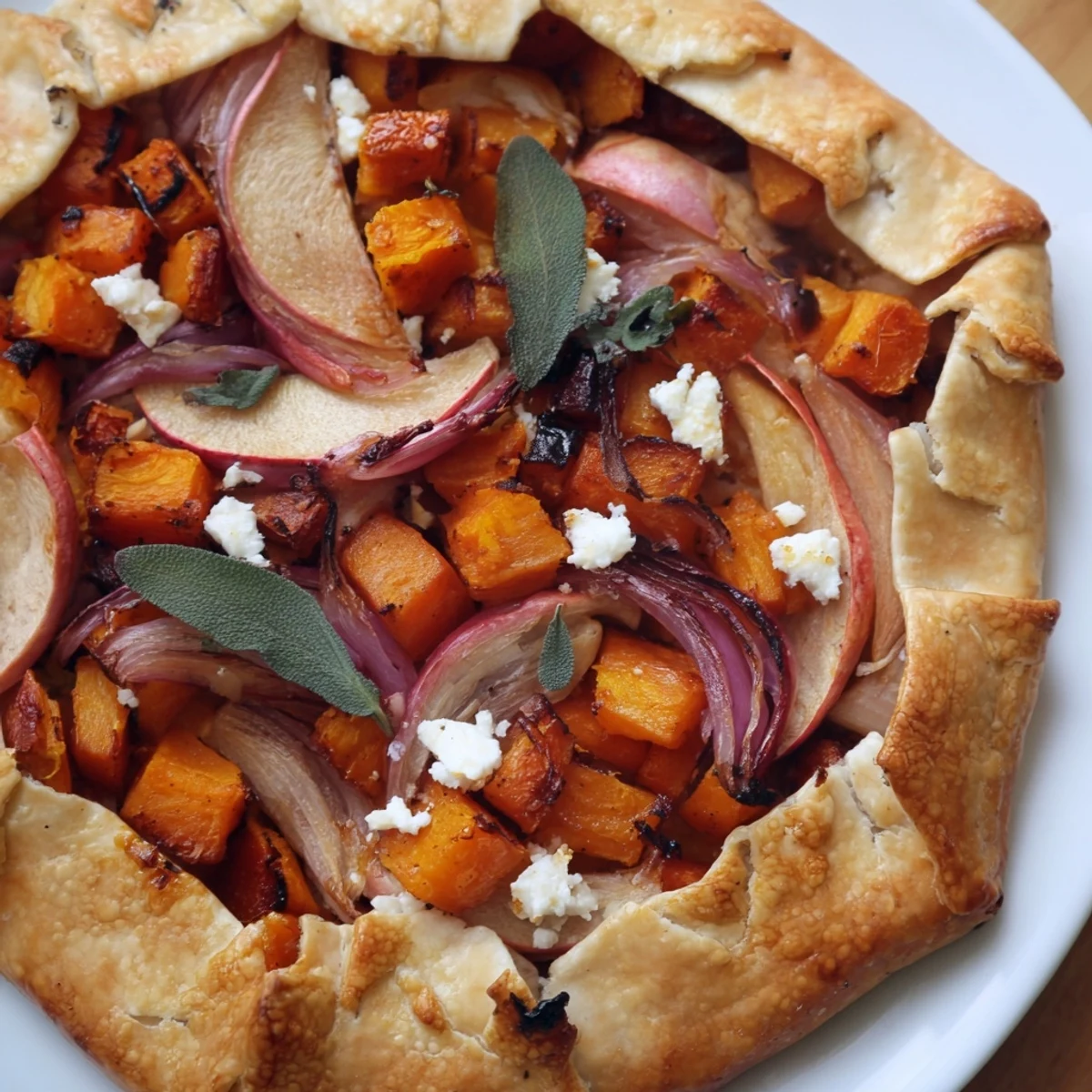
Save Combine roasted butternut squash and sautéed apples with fresh sage for a savory-sweet filling. Nestle the mixture into a handmade buttery pastry crust, fold the edges over, and bake until golden. This vegetarian main dish is ideal for autumn entertaining, offering a beautiful presentation with minimal effort.
There's something magical about autumn afternoons spent in the kitchen with the oven preheating and golden light streaming through the windows. The first time I made this galette, I wasn't trying to be fancy—I just had a butternut squash sitting on my counter, a few apples from a farmers market trip, and an urge to do something more interesting than roasting them separately. What emerged was this beautiful, rustic thing that looked far more impressive than it had any right to be, and tasted like every cozy fall moment I'd ever wanted to capture.
I remember my brother biting into a slice at Thanksgiving and immediately saying, 'Wait, this is what you made?' with genuine surprise in his voice. That's when I realized this galette had somehow crossed the invisible line from 'something I cooked' to 'something people actually want to eat again.' Now it shows up on my table almost every October, and I always make two because one never lasts through the day.
Ingredients
- All-purpose flour (1 1/4 cups): The foundation of your pastry—keeping it cold from start to finish is the secret to those beautiful, flaky layers.
- Cold unsalted butter (1/2 cup): Cut it into cubes and keep it in the fridge until the moment you use it; this is where the magic happens.
- Salt (1/4 tsp for pastry, 1/2 tsp for filling): Enhances every flavor without announcing itself.
- Ice water (3–4 tbsp): Add just enough to bring the dough together—too much and you'll have a tough crust.
- Butternut squash (2 cups, diced): The star of the show; buy one that feels heavy for its size and smells sweet and earthy when you cut into it.
- Apples (2 medium): Honeycrisp or Gala work beautifully because they hold their shape but still soften slightly, adding sweetness without turning to mush.
- Fresh sage leaves (2 tbsp): This is where the recipe gets its personality—the earthiness of sage with the sweetness of apple and squash is a combination I didn't know I needed until I tried it.
- Olive oil (2 tbsp): Regular olive oil is fine; this isn't the place to use your expensive finishing oil.
- Red onion (1 small): Adds a subtle sweetness and depth that ties the whole filling together.
- Ground nutmeg (1/2 tsp): Just a whisper—too much will overpower everything else.
- Goat cheese or feta (1/2 cup, optional): If you use it, crumble it loosely and fold it in at the end so it stays in distinct pockets throughout the galette.
- Egg and milk (for egg wash): This simple mixture gives the pastry that shiny, golden-brown finish that makes it look like it came from a bakery.
Instructions
- Make the Pastry:
- In a bowl, whisk together flour and salt, then add your cold butter cubes and work them in with a pastry cutter or your fingertips until the mixture looks like coarse breadcrumbs—you want some pea-sized pieces of butter still visible because those create the flakiness. Sprinkle ice water over the mixture one tablespoon at a time, tossing gently until the dough just barely comes together; resist the urge to overmix.
- Rest the Dough:
- Shape the dough into a disk, wrap it in plastic, and refrigerate for at least 30 minutes while you prepare everything else. This waiting time is crucial—it relaxes the gluten and keeps the butter from warming up.
- Roast the Squash:
- Preheat your oven to 400°F (200°C) and toss the diced butternut squash with a tablespoon of olive oil, half the chopped sage, salt, pepper, and nutmeg. Spread it in a single layer on a baking sheet and roast for 20–25 minutes, stirring halfway through, until the edges are caramelized and the inside is tender enough to break apart with a fork.
- Sauté the Aromatics:
- While the squash roasts, heat the remaining olive oil in a skillet over medium heat and add your thinly sliced red onion, letting it cook slowly for 6–8 minutes until it's soft and golden—this is where patience pays off, so don't rush it. Add your apple slices and cook for just 2–3 minutes more until they soften slightly but still hold their shape.
- Build the Filling:
- Remove everything from heat and gently fold together the sautéed apples and onion with the cooled roasted squash, the remaining fresh sage, and the cheese if you're using it. Taste it—this is your only chance to adjust seasonings before everything goes into the pastry.
- Shape the Galette:
- On a lightly floured surface, roll out your chilled pastry into a 12-inch (30 cm) circle, working gently and letting it warm up just enough to be pliable without stretching. Transfer it to a parchment-lined baking sheet and spoon the filling into the center, leaving a 2-inch (5 cm) border of naked pastry all the way around.
- Create the Rustic Edge:
- Fold the pastry border up and over the filling, creating natural pleats as you go around—this isn't supposed to look polished, and that's exactly what makes it beautiful. Some people worry about this part, but honestly, the more imperfect your pleats, the more authentically rustic it looks.
- Egg Wash and Seasoning:
- Whisk together your egg and milk, then brush it over the exposed pastry edges, and sprinkle with coarse sea salt if you like the way salt crystals catch the light when you bite into it. Don't brush the egg wash on the filling itself—you want to highlight the pastry.
- Bake:
- Slide the whole thing into your preheated oven for 35–40 minutes, keeping an eye on it after about 30 minutes; when the pastry is deep golden brown and you can see the filling bubbling slightly at the edges, you're done. Let it cool for 10 minutes before slicing so everything sets slightly and doesn't spill all over the plate.
 Save
Save There's a moment, right when you pull a galette out of the oven and the kitchen fills with that warm, sage-infused steam, that you know you've made something special. My neighbor once smelled it baking and knocked on the door asking what I was cooking, and I ended up sending her home with a slice and a new favorite recipe.
Variations Worth Trying
Sweet potato is a natural swap for butternut squash if that's what you have on hand, and it bakes in almost the same time with a slightly creamier texture. Blue cheese brings a sharper, almost tangy edge that plays beautifully against the sweetness, while ricotta gives you a creamier filling that's more subtle. I've even made this in summer with stone fruit—peaches and plums with a touch of thyme instead of sage—and it was just as magical.
Serving and Storage
This galette is genuinely good warm, at room temperature, or even cold from the fridge the next day, which makes it perfect for meal prep or bringing to a potluck. It pairs beautifully with a simple green salad and a light white wine, or honestly just a cup of tea if you're eating it alone on a quiet afternoon. If you have leftovers (which you might, depending on how hungry your guests are), store it loosely covered at room temperature for up to a day, or wrap it well and refrigerate for up to three days—just bring it to room temperature before serving or warm it gently in a 300°F oven for about 10 minutes.
Why This Galette Works
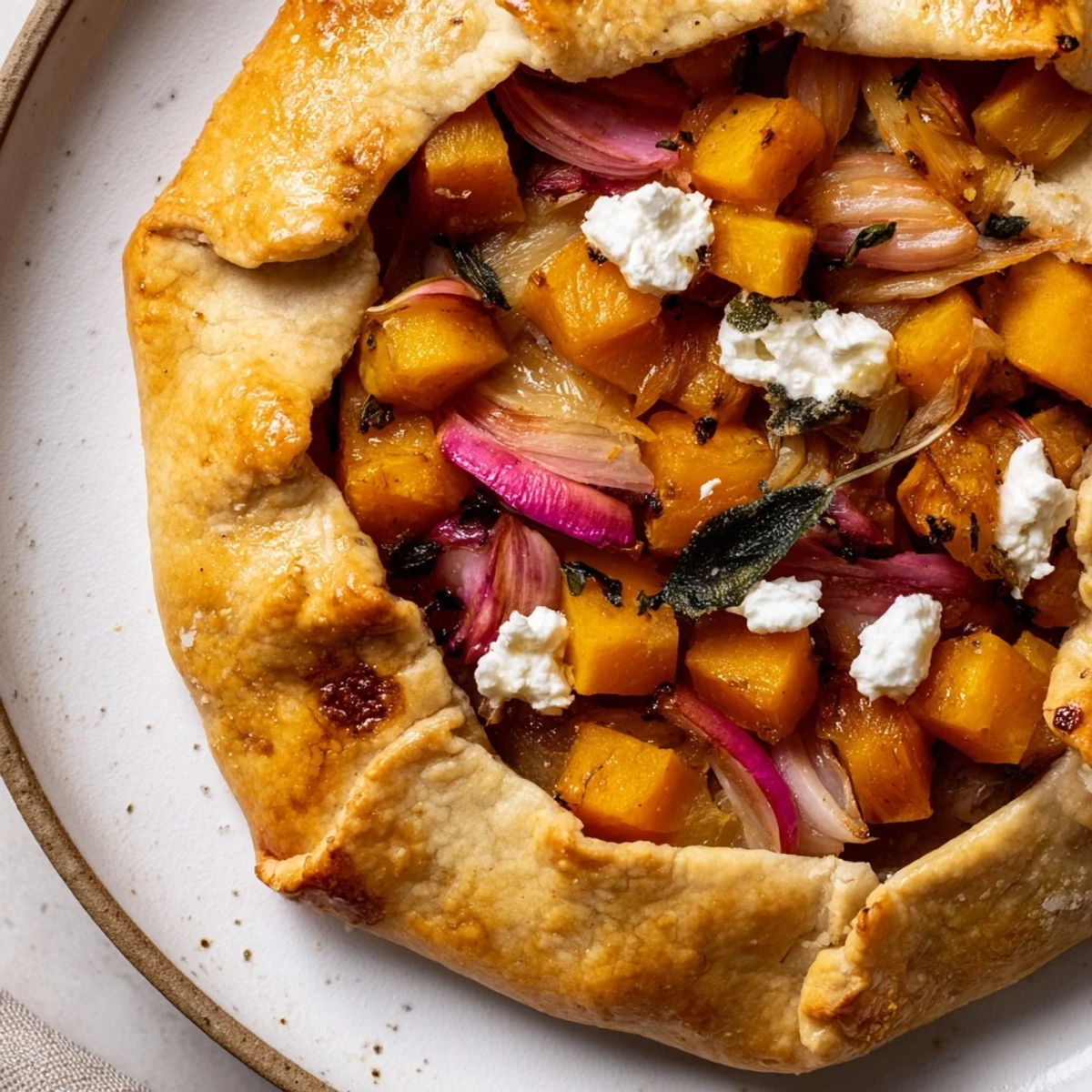
There's something about the combination of caramelized sweetness from the squash and apples, balanced against the earthiness of sage and the subtle tang of goat cheese, that makes this feel like autumn distilled into pastry form. The rustic nature of a galette also means there's no pressure for perfection—every wrinkle and uneven pleat just adds to its charm. If you're looking for a vegetarian main that doesn't feel like you're settling, or a showstopper dish that's actually easier to make than it looks, this is the one.
- Make the dough the night before and you can have galette on the table in under an hour the next day.
- A pizza stone or baking steel will give you an even crispier bottom crust if you're getting fancy.
- Brush the hot pastry with a little melted butter right after it comes out of the oven for extra golden, crispy perfection.
 Save
Save This galette has become my go-to recipe for those moments when I want to cook something that feels special but doesn't require hours of fussing. It's the kind of dish that reminds me why I love cooking in the first place.
Common Recipe Questions
- → Can I make the pastry dough ahead of time?
-
Yes, the pastry dough can be prepared up to two days in advance. Wrap the disk tightly in plastic wrap and store it in the refrigerator until you are ready to roll it out.
- → What type of apples work best for this?
-
Firm, sweet apples like Honeycrisp, Gala, or Braeburn hold their shape well during baking and provide a nice balance to the savory squash and onions.
- → Is this dish suitable for vegetarians?
-
Yes, this galette is completely vegetarian as it contains no meat products, relying on vegetables, fruits, dairy, and eggs for its flavor and structure.
- → Can I substitute the butternut squash?
-
Sweet potato is an excellent substitute that offers a similar texture and sweetness. Ensure it is diced small and roasted until tender before assembling the galette.
- → How should I store leftovers?
-
Store any leftover slices in an airtight container in the refrigerator for up to three days. Reheat in the oven to restore the crispness of the crust.