
 Save
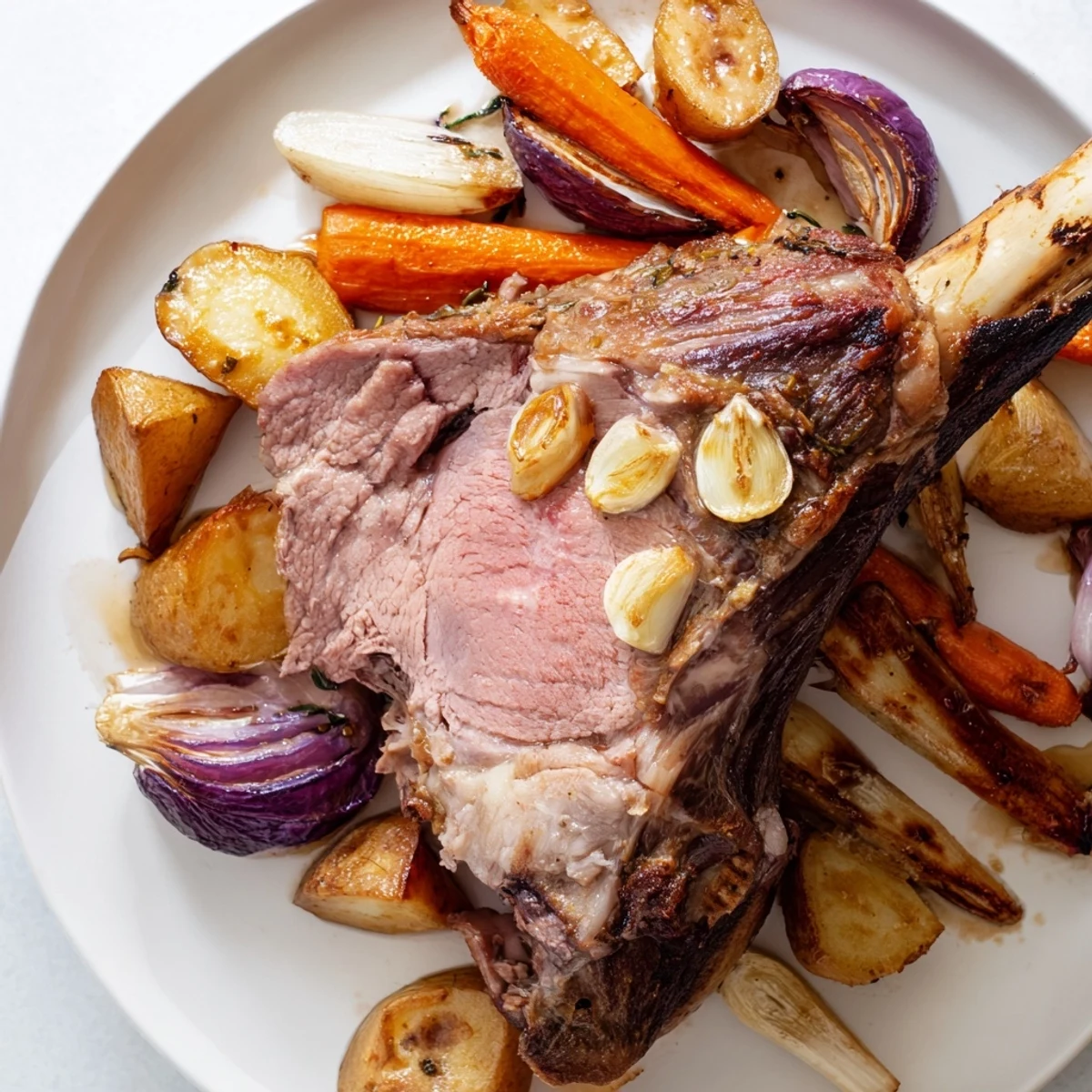
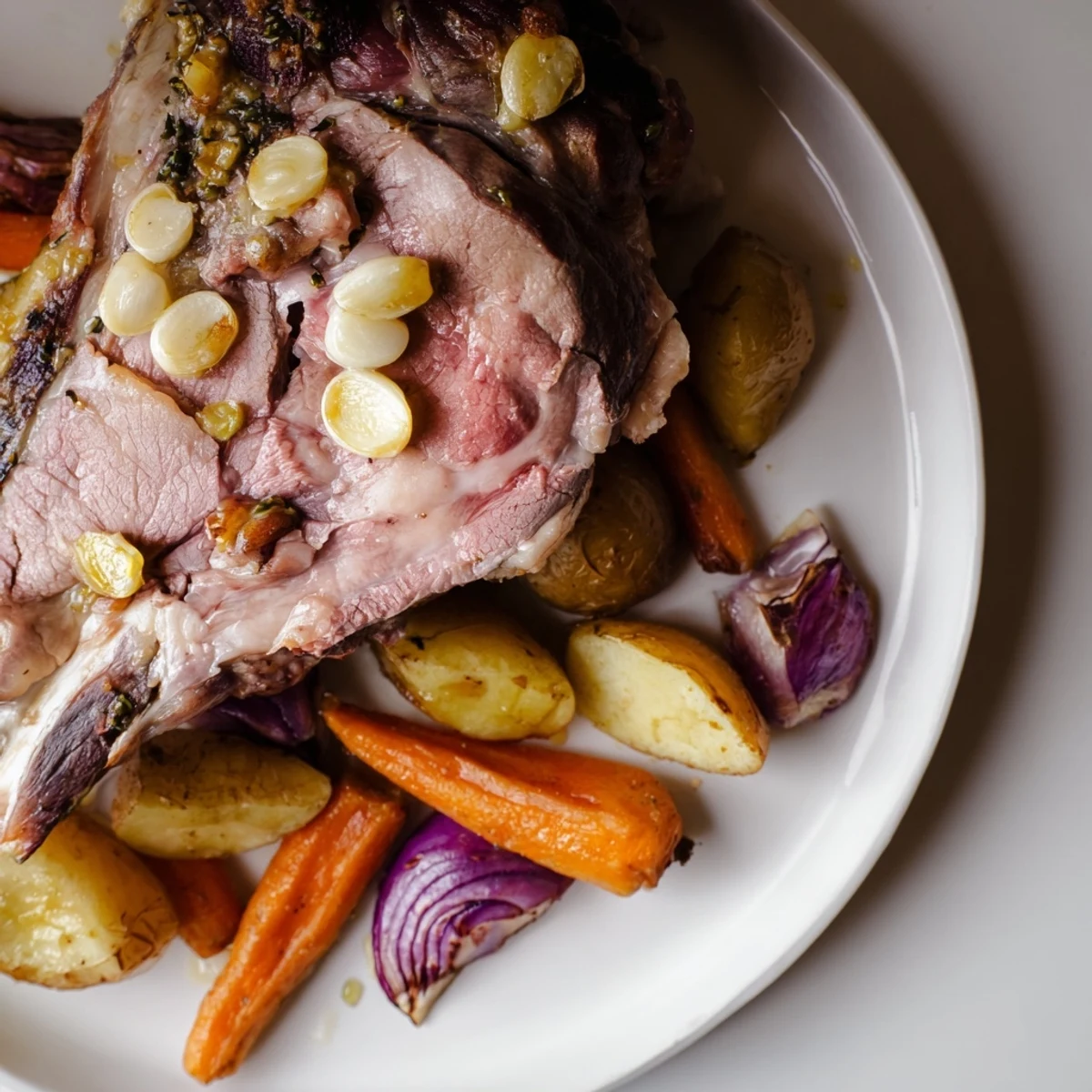
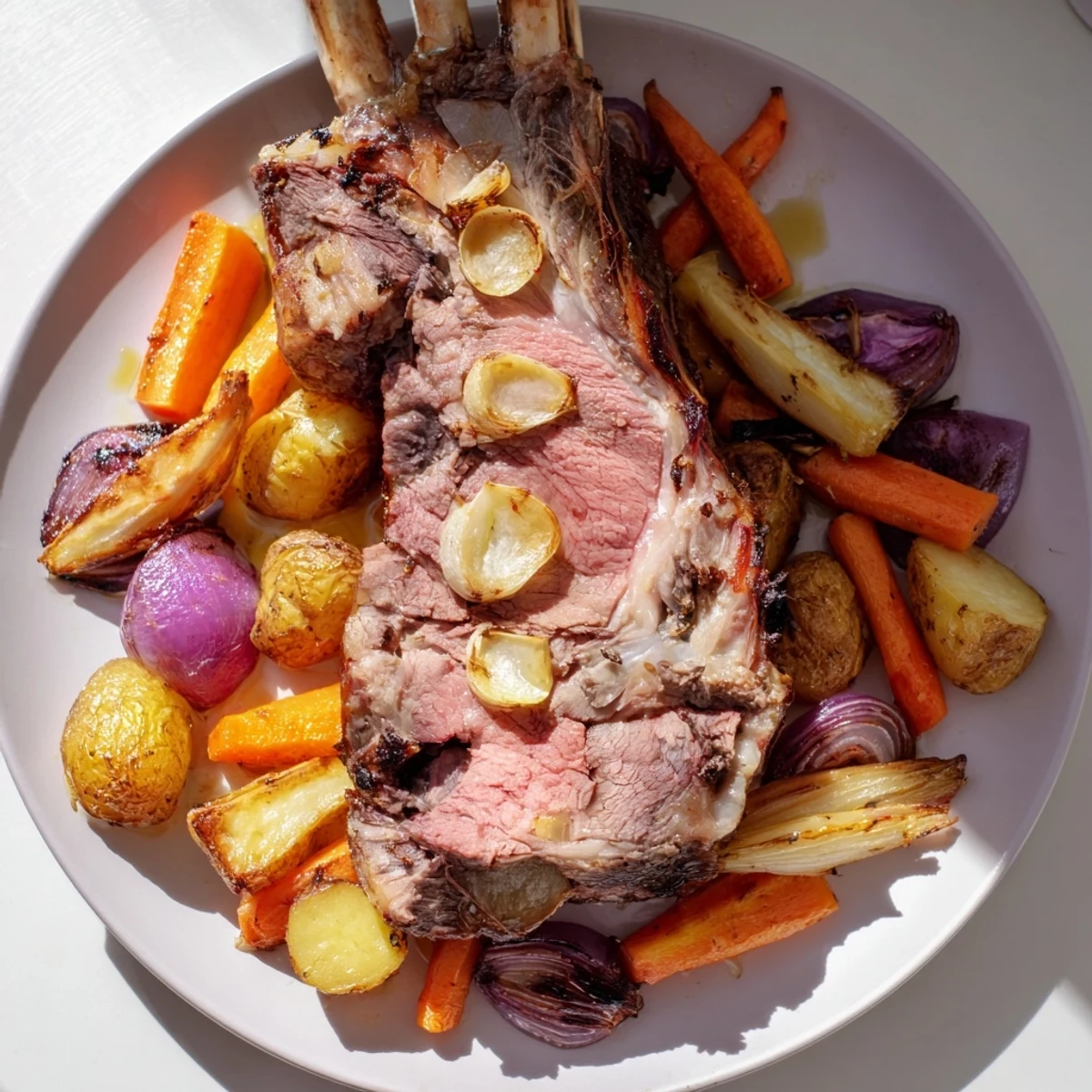
Save This dish features a bone-in leg of lamb infused with garlic, rosemary, and thyme, roasted alongside a medley of root vegetables including carrots, parsnips, turnips, potatoes, and onions. The lamb is seared with herbs and olive oil, then slow-roasted to tender perfection while the vegetables caramelize to bring out their natural sweetness. A splash of broth adds moisture and depth to the flavors. After resting, the lamb is carved and served with the richly roasted vegetables and pan juices, creating a hearty meal ideal for family dinners or special occasions.
The kitchen was already warming up when my sister called to ask what smelled so incredible. It was the rosemary hitting the hot lamb fat, that earthy, piney scent that somehow makes everything feel like a celebration. This roast has become my go-to when I want to feed people something that looks impressive but secretly does most of the work itself.
Last Easter, my normally skeptical brother-in-law went back for thirds and finally admitted this might be better than his mothers version. Thats when I knew this recipe had earned its permanent spot in my collection. Something magical happens when all those vegetables soak up the lamb drippings.
Ingredients
- 1.8 kg bone-in leg of lamb: The bone adds incredible depth of flavor and helps keep the meat moist during roasting
- 4 cloves garlic: Tucking these into little incisions infuses the meat from the inside out
- 2 tbsp fresh rosemary and thyme: Fresh herbs are non-negotiable here, dried just will not give you that aromatic punch
- 2 tbsp olive oil: Helps the seasoning cling and creates that gorgeous crust we are after
- 1 tbsp coarse sea salt: A generous hand with salt is what makes restaurant roasts taste so good
- Root vegetables: Carrots, parsnips, turnips, potatoes, and onions become the unsung heroes, absorbing all those pan juices
- 250 ml chicken or beef broth: Creates steam and keeps everything from drying out while building a natural sauce
Instructions
- Preheat and prepare the lamb:
- Heat your oven to 200°C and pat the lamb completely dry with paper towels. Use a sharp knife to make small slits all over the meat and tuck garlic slices inside like little flavor pockets.
- Season generously:
- Rub the lamb all over with olive oil, then press the rosemary, thyme, salt, and pepper into every surface. The oil helps those herbs and spices form a beautiful crust.
- Prep the vegetables:
- Toss all your root vegetables with olive oil, salt, and pepper until they are evenly coated. Arrange them around the lamb in your roasting pan, leaving space for air to circulate.
- Add the broth and roast:
- Pour the broth into the bottom of the pan, avoiding direct contact with the seasoned lamb. Roast for about an hour, basting every 20 minutes with those pan juices.
- Check and continue cooking:
- Give the vegetables a stir after an hour so they roast evenly. Return to the oven for another 30 minutes or until a thermometer reads 60°C for medium-rare.
- Rest the meat:
- Let the lamb rest under foil for at least 15 minutes. This is non-negotiable, the juices need time to redistribute or they will all run out on the cutting board.
- Crisp the vegetables:
- Crank the oven to 220°C and return just the vegetables for 10 minutes if you want extra caramelization. Carve the lamb against the grain and serve everything together.
 Save
Save My grandmother always said the secret was patience, both in letting the meat rest and in carving it slowly. She was right, that quiet moment before everyone digs in, when you are alone with the aroma and anticipation, is almost as good as the first bite.
Choosing Your Lamb
I have learned to look for lamb with good fat marbling and a pinkish-red color, not too dark or pale. The bone-in version is worth every bit of extra effort, it adds so much flavor that boneless cuts just cannot match.
Vegetable Swaps
Rutabaga and sweet potatoes work beautifully here, though they need a few extra minutes. Last winter I threw in some whole shallots and they practically melted into the sauce, creating the most incredible natural glaze.
Making It Your Own
A splash of red wine in the broth adds depth, and a bit of Dijon mustard rubbed into the lamb before the herbs creates a lovely crust. These little tweaks are how I have made this recipe feel like mine over the years.
- Try serving with a simple mint sauce made from fresh mint, sugar, and vinegar
- A bold red wine like Cabernet Sauvignon stands up beautifully to the rich lamb flavor
- Save any leftover pan juices to reheat with sliced lamb the next day
 Save
Save There is something deeply satisfying about putting a roasting pan on the table and watching faces light up. This recipe has become my way of showing people they are worth the effort.
Common Recipe Questions
- → What type of lamb cut is best for roasting?
-
A bone-in leg of lamb works best as it stays juicy and tender during roasting, while the bone adds extra flavor.
- → How can I ensure the vegetables caramelize nicely?
-
Toss the root vegetables with olive oil, salt, and pepper, and roast them uncovered at high heat to encourage caramelization.
- → Is it necessary to baste the lamb during cooking?
-
Basting occasionally helps keep the lamb moist and enhances flavor by redistributing pan juices.
- → Can I substitute the root vegetables with others?
-
Yes, alternatives like rutabaga or sweet potatoes work well and add different flavors and textures.
- → What is the ideal internal temperature for medium-rare lamb?
-
The lamb should reach 60°C (140°F) internally to achieve medium-rare doneness.
- → How long should the lamb rest after roasting?
-
Rest the lamb loosely tented for about 15 minutes to allow juices to redistribute for optimal tenderness.