
 Save
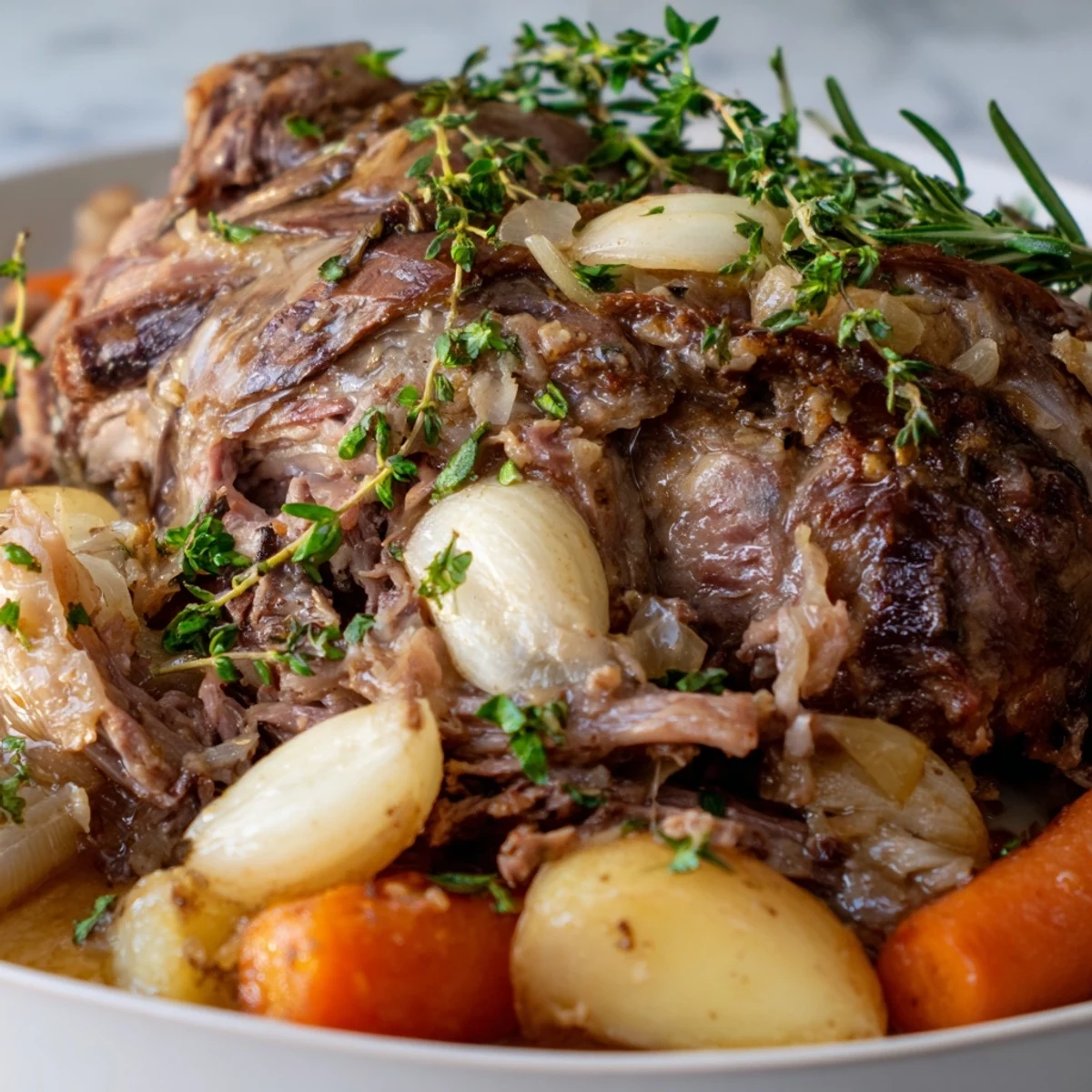
Save This lamb shoulder is cooked slowly to achieve tender, flavorful meat infused with garlic and fresh herbs. Aromatic onions, carrots, and lemon wedges enhance the rich taste while a blend of rosemary and thyme brings earthy notes. The addition of dry white wine and stock creates a moist environment perfect for slow roasting. Finishing with a brief high-heat roast crisps the exterior. Serve with pan juices and fresh parsley for a fulfilling Mediterranean-inspired dish perfect for family gatherings.
The first time I roasted a lamb shoulder, I didn't really know what I was doing—I'd bought it on a whim because it was beautiful and the butcher recommended slow cooking it. Four hours later, my kitchen smelled like a Mediterranean dream, and I realized I'd accidentally stumbled onto something that would become my go-to dinner for people I wanted to impress without spending all day cooking. There's something almost magical about how a big, intimidating cut of meat transforms into something so tender you barely need a knife.
I made this for my sister's birthday dinner last spring, and I remember her walking into the kitchen, closing her eyes, and just breathing in. She didn't say anything at first; she just stood there. When I finally plated it up, there was this moment where everyone went quiet except for the sound of forks on plates, and I knew I'd done something right.
Ingredients
- Lamb shoulder (about 2 kg): This is the star—bone-in means more flavor and helps it stay moist through the long cooking time. Ask your butcher to trim excess fat but leave a little; it renders down beautifully.
- Olive oil: Use something you'd actually eat, since the flavor matters here.
- Garlic cloves (8): Halved so they release their perfume into the pan and mellow out over the hours of cooking.
- Onions (2 large) and carrots: These aren't just vegetables; they become the bed that keeps the lamb from sticking and add their own sweet caramelized notes.
- Fresh rosemary and thyme: Don't skip the fresh herbs—dried just doesn't have the same brightness, especially when you've got time for the flavors to build.
- Lemon wedges: They brighten everything up and prevent the dish from feeling heavy.
- Dry white wine and stock: The wine adds depth and cooks off its sharpness, while the stock keeps everything moist and silky.
Instructions
- Get your oven ready and prep the lamb:
- Set the oven to 160°C (320°F). Pat the lamb completely dry—this is the first step toward a good crust. Rub it generously with olive oil, salt, and pepper, getting into every crevice.
- Stud the meat with garlic:
- Use a sharp knife to make small slits all over the lamb, then nestle those halved garlic cloves inside. This is when your kitchen starts to smell incredible, and you know you're on the right track.
- Build the pan:
- Scatter onions, carrots, and lemon wedges in your roasting pan, then set the lamb shoulder right on top. This keeps the meat from sitting in liquid and helps it stay tender.
- Add the herbs and liquid:
- Tuck rosemary and thyme sprigs around and on top of the lamb, then pour the wine and stock into the pan—around the meat, not over it. Cover everything tightly with foil or a lid.
- The long, slow roast:
- Roast for 4 hours, basting the lamb with the pan juices once or twice if you remember. The meat should be fall-apart tender and the house should smell like you've invited everyone you know to dinner.
- Finish with color:
- Remove the foil, bump the temperature up to 200°C (400°F), and roast uncovered for 20–30 minutes until the top is golden and slightly crispy. This step transforms the outside into something special.
- Rest and serve:
- Let the lamb rest covered loosely with foil for 20 minutes—this keeps it juicy. Shred or slice it, scatter fresh parsley over the top, and serve it with all those soft vegetables and the pan juices spooned over everything.
 Save
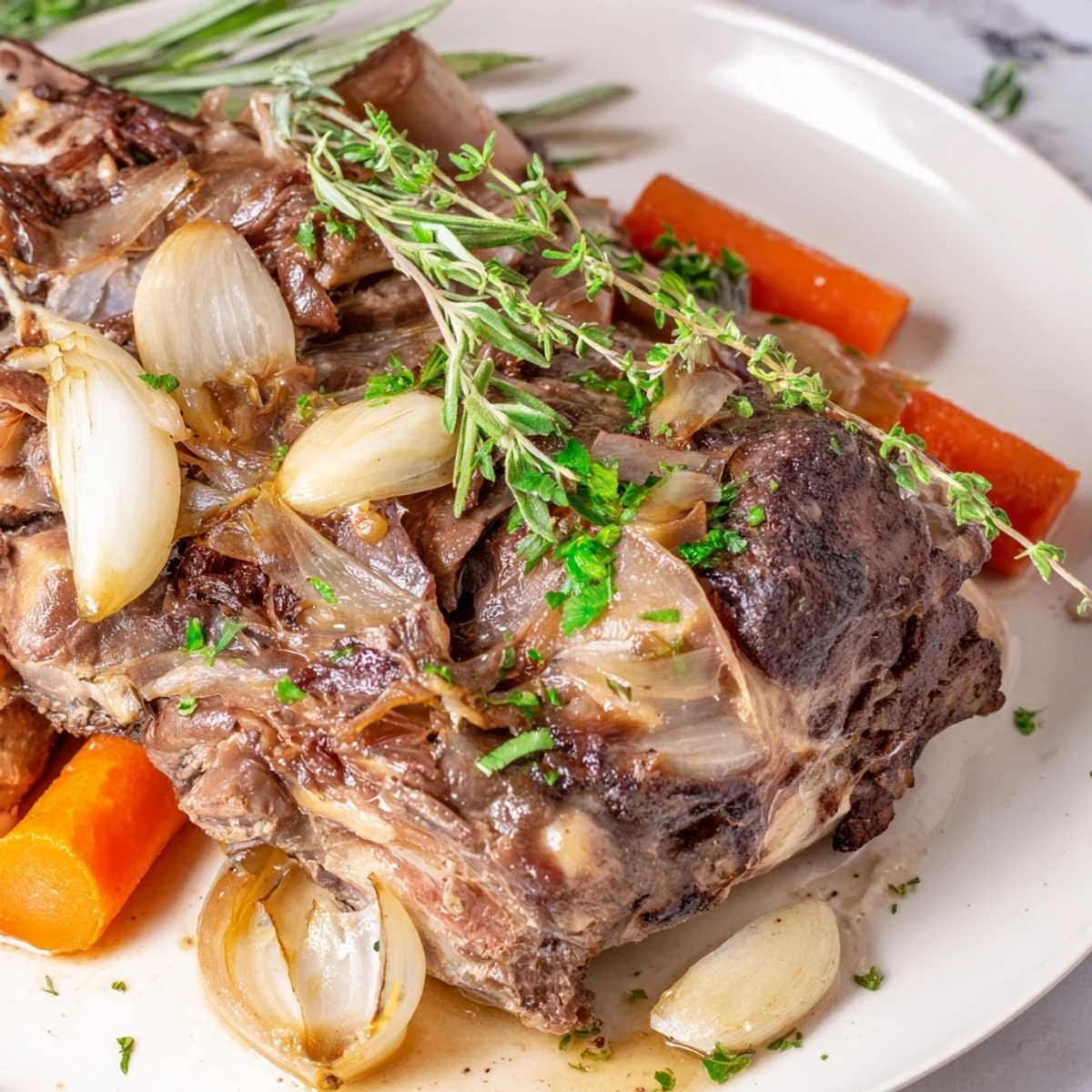
Save There's something about slow-cooked lamb that turns a regular dinner into an occasion. Maybe it's the time involved, or the way the smell builds all afternoon, or maybe it's just that everyone seems happier when something this good is in front of them.
Building the Perfect Pan
The vegetables aren't just decoration—they're doing real work under there. The onions and carrots create a natural platform that keeps the lamb from sticking, and they soften into something sweet and almost buttery by the end. The lemon wedges are quietly essential too; they brighten the broth and prevent the whole dish from tasting too heavy.
Timing and Temperature Matter More Than You Think
I used to rush the oven temperature, thinking higher heat would get me there faster, but that's when I ended up with tough meat. Slow and steady at 160°C is the secret—it gives the collagen time to break down into gelatin, which is what makes the meat so silky. The final blast of heat at 200°C is just to wake up the outside and give it that caramelized finish.
What Comes Next
This lamb is incredible alongside anything creamy or earthy—mashed potatoes practically beg for those pan juices, and roasted root vegetables echo the flavors already on the plate. Leftover lamb shreds beautifully into wraps the next day, or gets scattered over a salad with a squeeze of lemon. Some people add a handful of pitted olives or a splash of balsamic vinegar to the pan, and honestly, I'm not mad at that move.
- Serve with something that can soak up every drop of those pan juices, because you won't want to waste them.
- If you're making this for guests, prep everything the morning of and just pop it in the oven a few hours before dinner.
- Save every scrap of that broth—it freezes beautifully and makes the best base for soup or stew later.
 Save
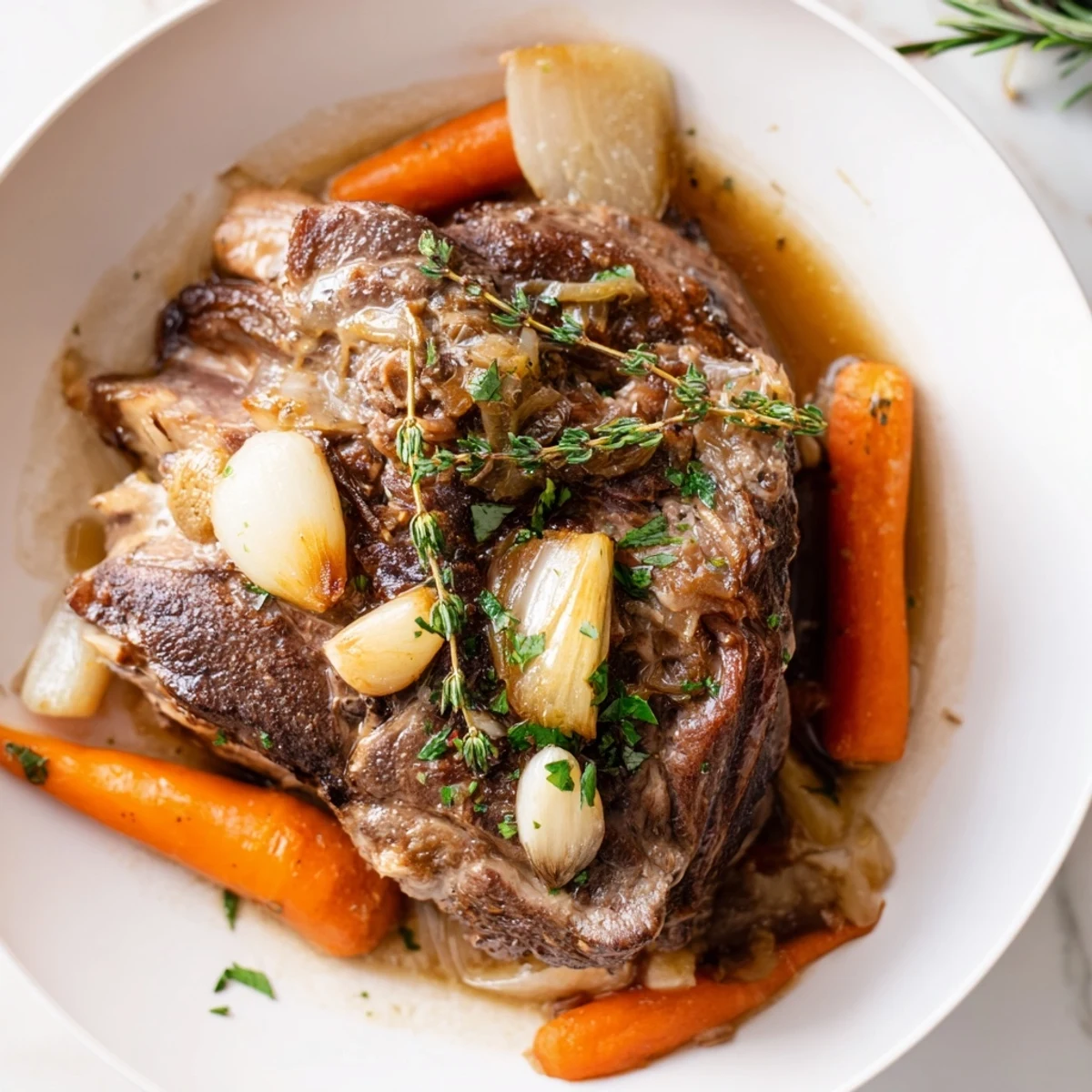
Save This is the kind of recipe that feels special but doesn't ask for special skills, just time and a little attention. Make it once, and it becomes the dish you come back to whenever you want to feel like you've got this.
Common Recipe Questions
- → How do I prepare the lamb shoulder for cooking?
-
Trim the lamb shoulder and pat it dry. Rub with olive oil, salt, and pepper. Make small cuts to insert garlic pieces for deep flavor.
- → What herbs complement the lamb shoulder?
-
Fresh rosemary, thyme, and parsley work beautifully to add aromatic and earthy notes to the lamb.
- → How does white wine affect the cooking process?
-
White wine adds acidity and depth, helping tenderize the meat while enriching the cooking liquid's flavor.
- → Why is the lamb cooked covered and then uncovered?
-
Covering keeps moisture in for tenderness during slow cooking, while uncovering at the end allows the surface to brown and crisp.
- → What side dishes pair well with this dish?
-
Creamy mashed potatoes or roasted root vegetables complement the richness and soak up the flavorful pan juices.