
 Save
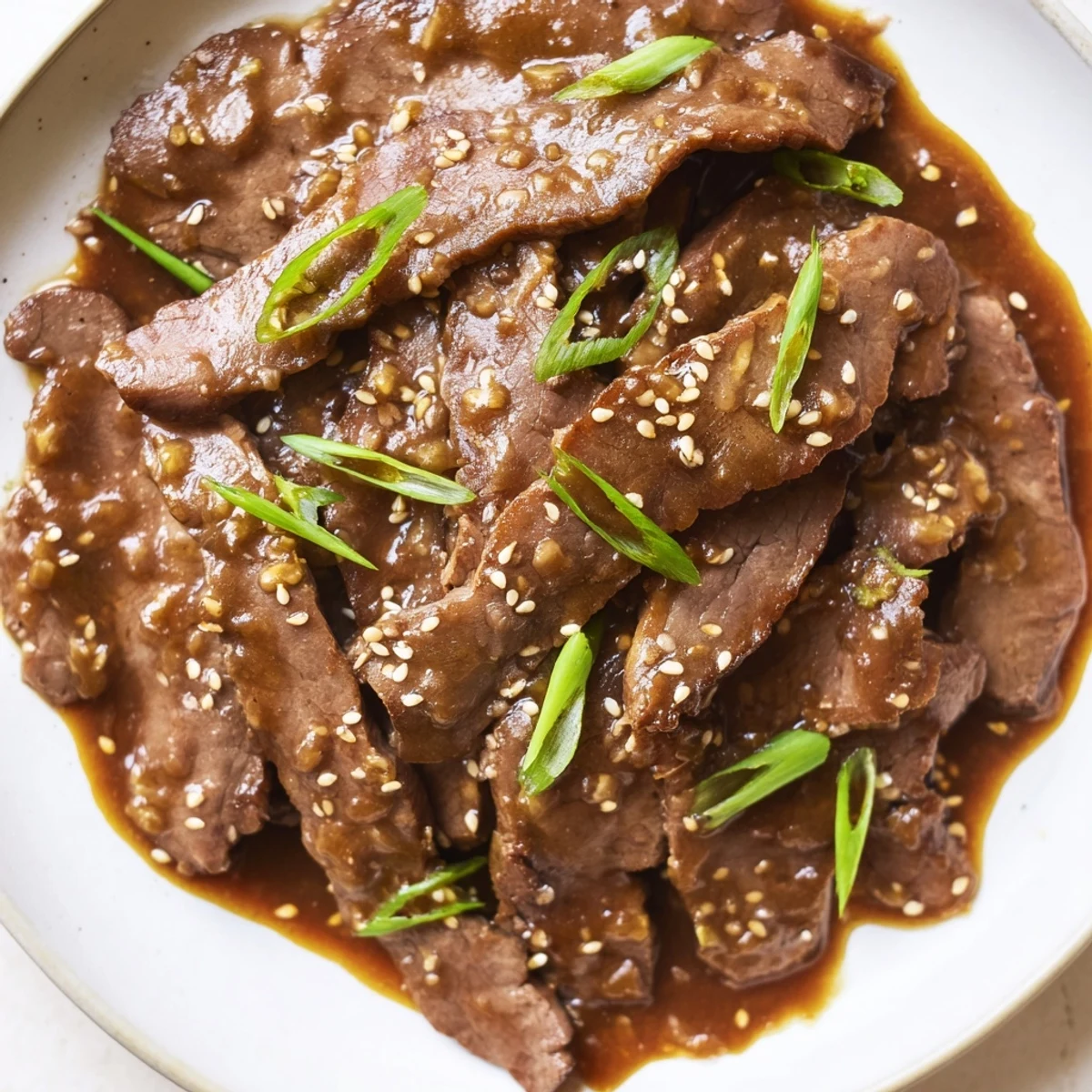
Save Tender slices of beef simmered in a rich, savory-sweet sauce with garlic, ginger, and soy, resulting in melt-in-your-mouth Mongolian beef—perfect over steamed rice. This slow cooker dish requires just 15 minutes of prep and 4 hours of cooking time, making it an easy weeknight meal. The beef is coated in cornstarch for a perfect texture, then slow-cooked in a delicious sauce made with soy sauce, brown sugar, hoisin, and sesame oil. A cornstarch slurry added at the end thickens the sauce beautifully, creating a restaurant-quality dish at home.
I came home from a chaotic Tuesday at work absolutely starving, and my slow cooker had been working magic all day. The moment I walked through the door, this deep caramelized soy and ginger scent hit me like a warm hug from an old friend. That was the night this recipe earned permanent rotation in my kitchen arsenal.
My brother-in-law actually asked for the recipe before he even finished his first plate. He kept saying wait, this came from a slow cooker with genuine disbelief in his voice. Now he makes it every Sunday for meal prep and texts me updates about how the house smells amazing.
Ingredients
- 2 pounds flank steak, thinly sliced: Cutting against the grain is non-negotiable here. I learned this lesson the hard way with tough, chewy beef until a chef friend showed me the proper technique and it changed everything.
- 3/4 cup low-sodium soy sauce: Regular soy sauce makes this dish way too salty as it concentrates during cooking. Trust me on this one.
- 3/4 cup brown sugar, packed: This creates that beautiful caramelized glaze and balances the soy. Dark brown sugar gives even more depth if you have it.
- 1/2 cup water: Essential for getting the right consistency before the sauce reduces and thickens.
- 1/4 cup hoisin sauce: The secret ingredient that gives restaurant-quality depth and complexity.
- 1 tablespoon sesame oil: Toasted sesame oil adds that authentic Asian flavor punch right at the end.
- 4 cloves garlic, minced: Fresh garlic only. No shortcuts here because the slow cooking mellows it significantly.
- 1 tablespoon fresh ginger, grated: Peel it with a spoon to get all those flavorful bumps without wasting any ginger.
- 1/2 teaspoon crushed red pepper flakes: Optional but recommended for that gentle background warmth.
- 1/4 cup cornstarch: Half coats the beef initially, half creates the velvety sauce at the end.
- 1/4 cup cold water: Must be cold when mixing with cornstarch or it will clump up instantly.
- 4 green onions, sliced: Fresh brightness cuts through all that rich sauce perfectly.
- 1 tablespoon toasted sesame seeds: The final touch that makes everything look professional and taste nutty.
Instructions
- Whisk together your sauce base:
- Combine soy sauce, brown sugar, water, hoisin, sesame oil, garlic, ginger and red pepper flakes in a medium bowl until the sugar dissolves completely.
- Coat the beef:
- Place sliced flank steak in a large zip-top bag with half the cornstarch, seal and shake vigorously until every piece is lightly dusted.
- Start the slow cooker magic:
- Transfer coated beef to your slow cooker, pour the sauce over everything and stir gently to coat all the meat evenly.
- Let it cook low and slow:
- Cover and cook on low for 4 hours until the beef is fork tender and has absorbed all those incredible flavors.
- Thicken the sauce:
- Mix remaining cornstarch with cold water until smooth, stir into the slow cooker during the last 30 minutes of cooking and watch the sauce turn glossy and thick.
- Finish with fresh garnishes:
- Serve immediately over steamed rice and top generously with sliced green onions and toasted sesame seeds for that perfect restaurant-style presentation.
 Save
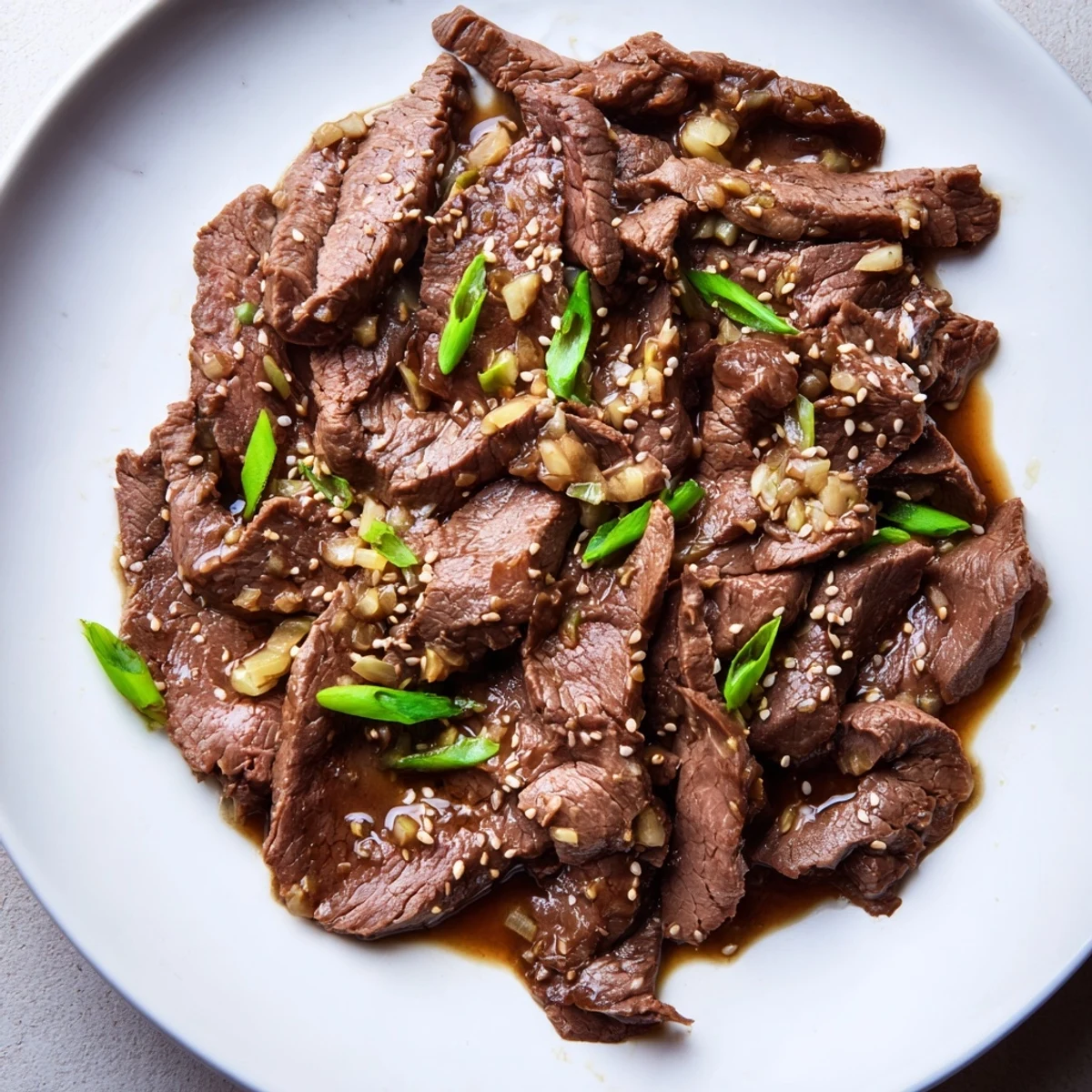
Save Last winter during a massive snowstorm, this fed six hungry neighbors who showed up unexpectedly. Everyone hovered around the slow cooker, dipping spoons in and exclaiming about how incredible the house smelled. That is the power of this recipe.
Make It Your Own
I have found that adding sliced bell peppers or snap peas during the last hour adds incredible texture and color. The vegetables absorb that sauce while still maintaining their crunch. Snow peas work beautifully too.
Rice Perfection
Day-old rice reheats better than fresh rice for serving with saucy dishes like this. The grains separate perfectly and really soak up that incredible Mongolian sauce without becoming mushy or clumpy.
Serving Strategies
This recipe doubles beautifully for meal prep or larger gatherings. The beef actually tastes even better the next day as all those spices meld together beautifully.
- Cook rice in advance and reheat while beef finishes
- Prepare all garnishes before serving so you do not scramble at the last minute
- Set out extra red pepper flakes for heat lovers at the table
 Save
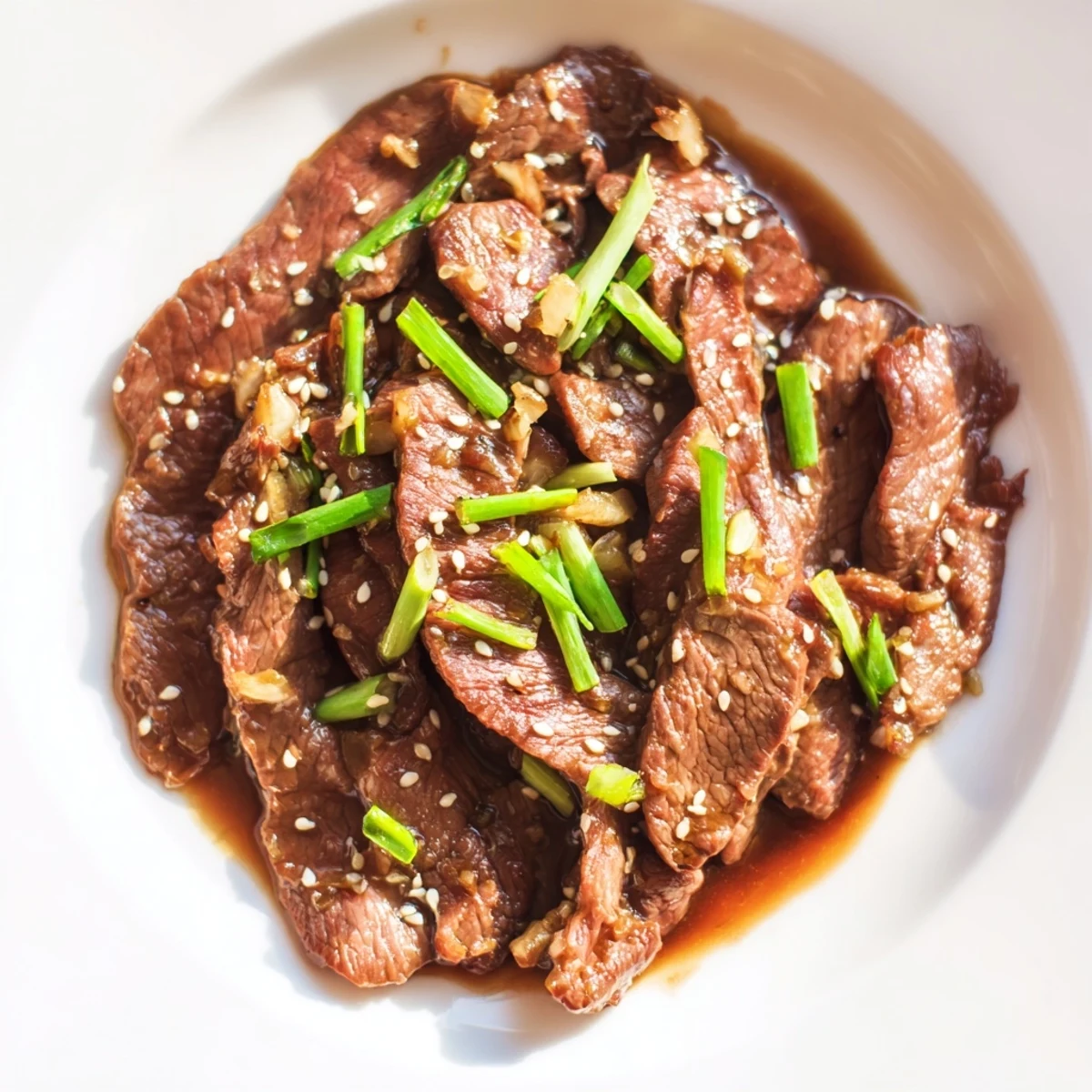
Save There is something deeply satisfying about walking into a kitchen filled with this aroma knowing dinner is basically done. This is the kind of recipe that makes you feel like a kitchen genius with almost zero effort.
Common Recipe Questions
- → Can I use a different cut of beef?
-
Yes, you can use sirloin or ribeye instead of flank steak. Just make sure to slice thinly against the grain for tenderness. Cooking time may vary slightly depending on the thickness of the beef slices.
- → How can I make this gluten-free?
-
Use tamari instead of soy sauce and ensure your hoisin sauce is gluten-free. The cornstarch used for coating and thickening is typically gluten-free, but double-check the packaging if you have severe allergies.
- → What's the best way to serve this dish?
-
This Mongolian beef pairs perfectly with steamed jasmine or basmati rice. For a low-carb option, serve it over steamed broccoli or cauliflower rice. The green onions and sesame seeds add nice freshness and crunch.
- → Can I make this in an Instant Pot?
-
Yes, you can cook it on high pressure for 90 minutes followed by a 10-minute natural release. The texture will be slightly different but still delicious. Reduce the sauce separately on the sauté function if needed.
- → How do I store leftovers?
-
Store in an airtight container in the refrigerator for up to 3 days. Reheat gently on the stovetop or in the microwave. The sauce may thicken when cold, so add a splash of water when reheating.