
 Save
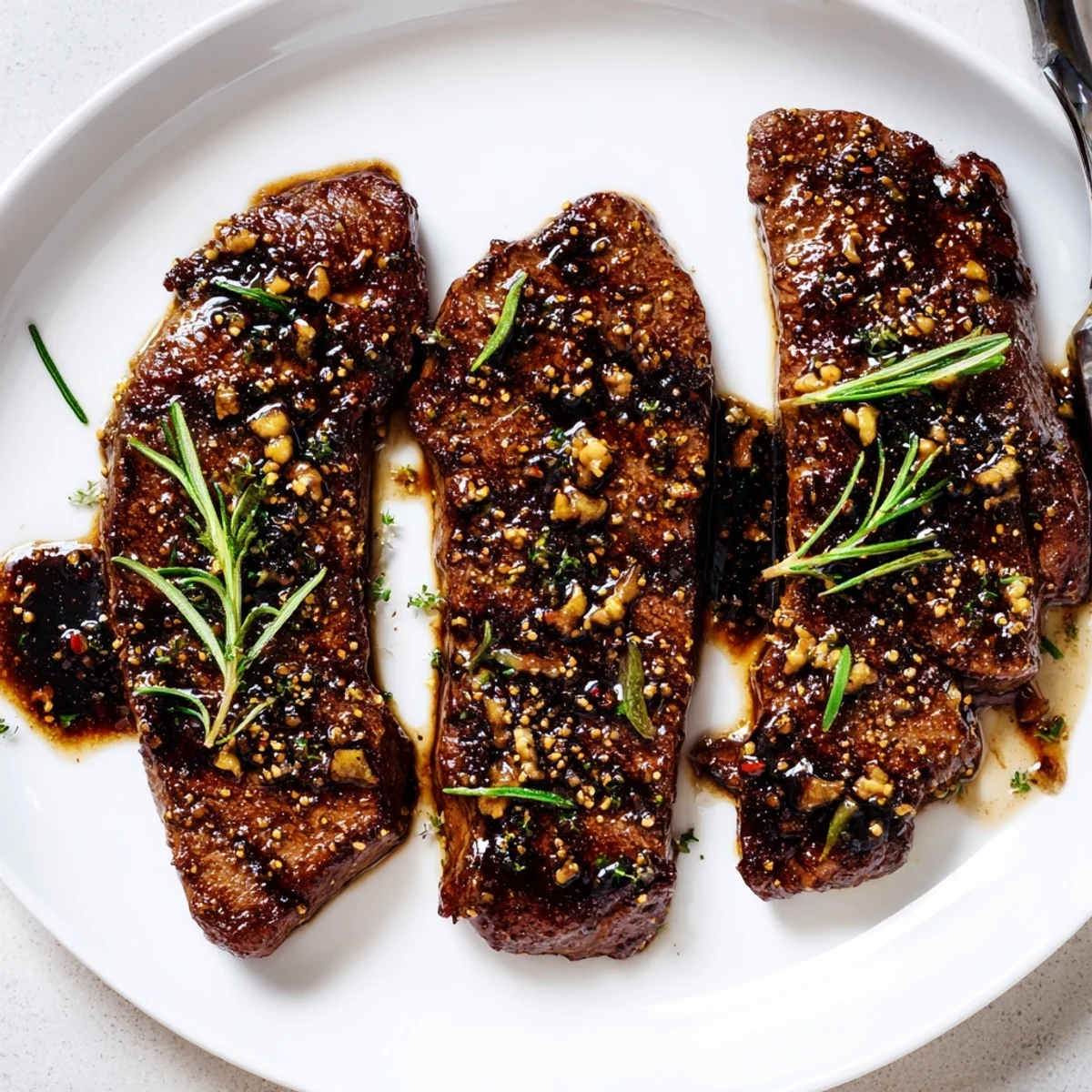
Save This marinade blends soy sauce, olive oil, Worcestershire, balsamic and lemon with garlic, Dijon, brown sugar and rosemary to both tenderize and deepen beef flavor. Whisk, coat steaks, refrigerate 2–24 hours and turn occasionally. Discard used marinade, pat steaks dry, then grill, pan-sear or broil to desired doneness. Swap honey for brown sugar or add red pepper flakes for heat; use tamari for gluten-free needs.
The first time I made this steak marinade, I was baffled by the combination of ingredients lined up on my countertop—garlic mingling with balsamic vinegar and a swirl of Worcestershire that smelled both savory and mysterious. Somehow, that quirky kitchen moment made the process fun instead of intimidating. My hands got slightly sticky from the brown sugar, and the rosemary instantly awakened a little curiosity about how the steaks would taste. By the time everything came together in the bowl, I caught myself grinning at the bold aroma filling the air.
I once whipped up this marinade for a summer dinner party where I was sure the grill would act up, but instead, the conversation and laughter circled around the delicious smell drifting from the kitchen. Someone admitted they'd never tasted such a tender steak at home. I think everyone left with the recipe—written on the backs of napkins. Sharing that moment made a simple meal something special for all of us.
Ingredients
- Soy sauce: This forms the backbone of umami flavor, and I always reach for low-sodium if I feel like controlling the salt.
- Olive oil: Adds richness and helps the marinade cling evenly; go for a mellow extra-virgin type.
- Worcestershire sauce: The secret element for depth and an addictive savoriness—don’t skip it if you can help it.
- Balsamic vinegar: Brings a subtle tang and hint of sweetness that lights up the steak’s flavor.
- Lemon juice (freshly squeezed): The acidity here acts as a tenderizer and brightens the entire dish—fresh really does taste best.
- Garlic: Four cloves bring enough punch without overwhelming and should be minced finely for even flavor distribution.
- Dijon mustard: Adds gentle heat and rounds out the marinade, helping everything emulsify.
- Brown sugar: Just enough to balance the acidity; I use light brown but dark works for a deeper flavor.
- Black pepper: Freshly ground gives a more vibrant kick, so use a pepper mill if you have one.
- Dried or fresh rosemary: Rosemary’s piney aroma is a classic with steak, and fresh is even better if you have it on hand.
- Onion powder: This little bit makes sure every bite of steak lands with savory flavor.
Instructions
- Craft the marinade base:
- Whisk together soy sauce, olive oil, Worcestershire, balsamic vinegar, and lemon juice in a medium bowl until shiny and fully mixed.
- Add the flavorings:
- Stir in minced garlic, Dijon mustard, brown sugar, black pepper, rosemary, and onion powder until the mixture smells irresistible and slightly thickens.
- Marinate the steaks:
- Snuggle your steaks into a large resealable bag or a shallow dish, then pour the marinade over, making sure every piece is generously coated.
- Chill and wait:
- Seal or cover, slip into the fridge for at least two hours (overnight is gold), and flip the steaks if you remember for even magic.
- Ready to cook:
- Remove steaks from the marinade, blot off excess with paper towels then cook how you like—grill, pan or broiler—until done to your favorite level.
 Save
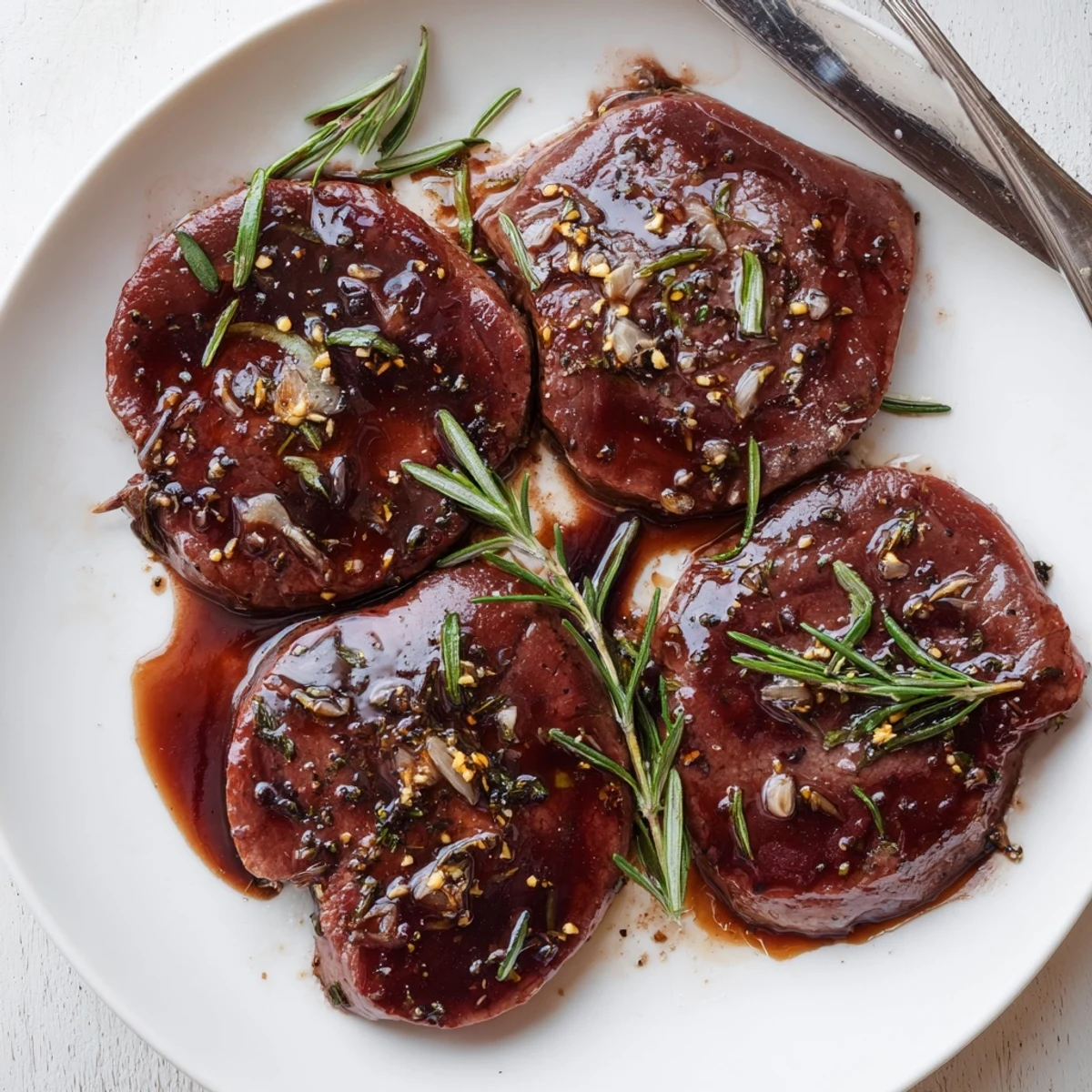
Save There was a night when a friend called in late and asked if they could drop by with their gloomy mood and a bottle of wine. Those marinated steaks, quickly grilled and served on mismatched plates, brightened the evening and somehow made everything feel more hopeful around the table.
Making the Most of Marination Time
I've learned that marinating steak isn't just about flavor—it buys you time to get the rest of the meal together and even sneak in a break with your feet up. Sometimes I gently press the bag in the fridge to make sure every centimeter is soaking up the delicious bath. The subtle changes in the meat's color let you know it's working its magic. Ten minutes of prep and relaxation ahead feels like a kitchen win.
Pairing and Serving Suggestions
One of my favorite discoveries is how this marinade stands up to bold side dishes—creamy mashed potatoes and crispy green beans both shine alongside the juicy steak. The leftover marinade never goes to waste; I simmer it (unused, of course) and drizzle over roasted mushrooms for a little bonus sauce. And if you're feeling fancy, pairing with a robust red wine always seems to impress even the toughest critics.
Easy Customizations to Try
Don't hesitate to throw in a teaspoon of red pepper flakes if you love a bit of heat—that's my go-to for a Friday night steak. Swapping honey for brown sugar gives a floral note that's pleasantly unexpected. Gluten-free friends can switch to tamari and a gluten-free Worcestershire, which works perfectly.
- If your steaks are thick, marinate closer to 24 hours for full flavor.
- Chicken and pork respond beautifully to this blend, just adjust marinating time accordingly.
- Remember to discard any used marinade—never reuse it for food safety.
 Save
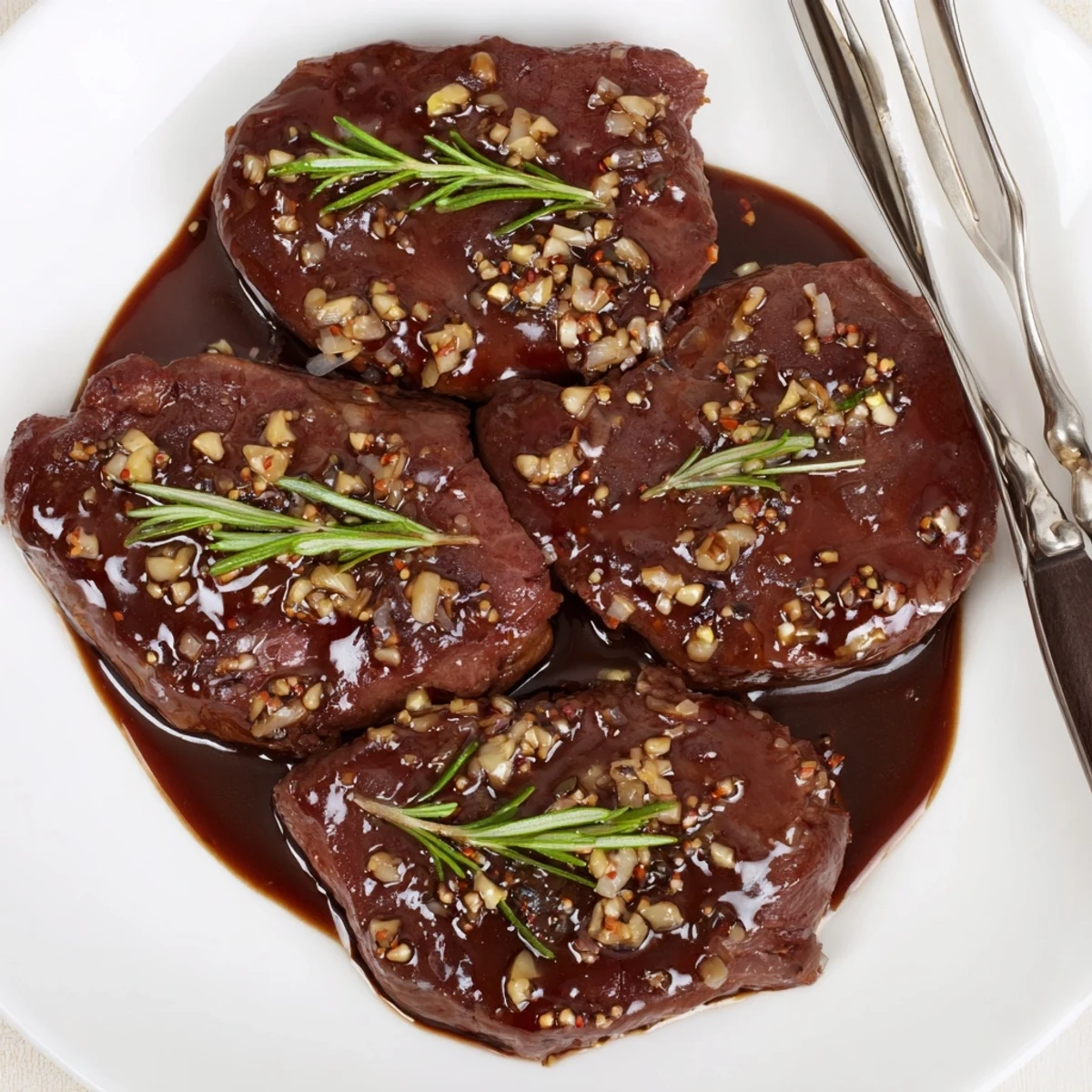
Save This marinade has become my favorite kitchen shortcut for spectacular steak nights—simple ingredients, foolproof technique, and a reliably memorable meal. Here's to more dinners that linger long after the plates are cleared.
Common Recipe Questions
- → How long should I marinate the steaks?
-
Marinate a minimum of 2 hours for noticeable flavor and up to 24 hours for greater tenderness. Longer times intensify flavor but can alter surface texture on very lean cuts.
- → Can I reuse the marinade after the steaks sit in it?
-
Discard any marinade that has contacted raw meat. If you want to use it as a sauce, boil it for several minutes to eliminate bacteria before serving.
- → Which cuts work best with this mixture?
-
Works well on tougher, flavorful cuts like flank, skirt and sirloin, and also enhances ribeye or strip. Adjust marinating time—shorter for tender, well-marbled cuts.
- → How can I make this gluten-free or allergen-friendly?
-
Use tamari or a certified gluten-free soy sauce and a gluten-free Worcestershire. Check labels for mustard and other allergens, and swap ingredients as needed.
- → Will the sugar cause flare-ups when grilling?
-
Brown sugar can caramelize and cause flare-ups if exposed to high flames. Pat steaks dry before grilling, cook over medium-high heat, and move away from direct flames if charring begins.
- → Can this mixture be used for other proteins?
-
Yes—it adapts well to pork chops and chicken breasts. Reduce marinating time for delicate poultry (30 minutes to 4 hours) and monitor cooking to avoid overcooking.