
 Save
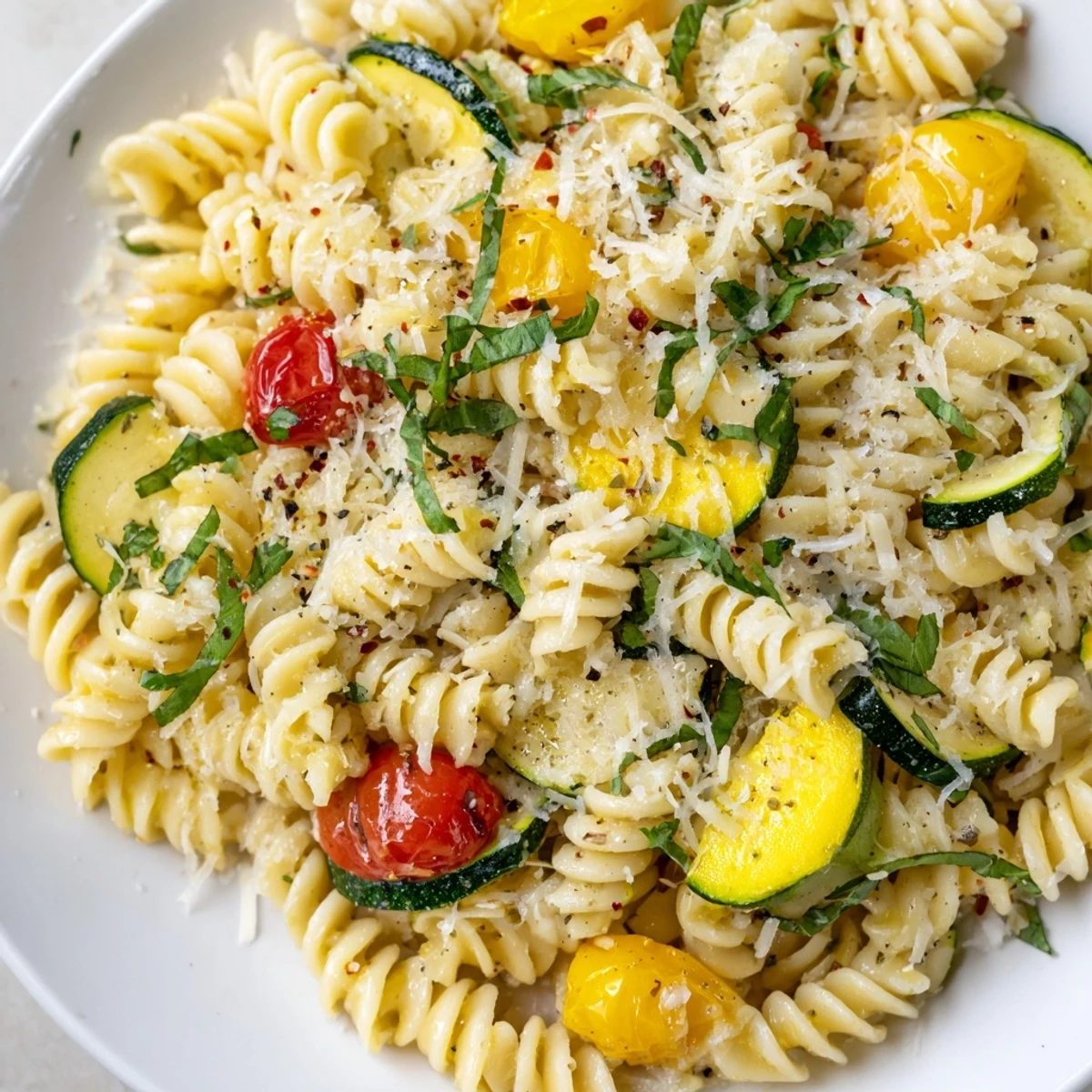
Save This vibrant one-pan pasta brings together tender summer squash, sweet cherry tomatoes, and aromatic fresh herbs in a light, flavorful sauce. The dish comes together in just 35 minutes, making it ideal for busy weeknights when you want something nutritious and satisfying without spending hours in the kitchen.
The skillet method allows the vegetables to soften and release their natural juices, creating a silky sauce that clings perfectly to al dente pasta. A splash of reserved pasta water helps bind everything together, while fresh basil and parsley add bright, herbal notes that complement the sweetness of the summer produce.
Customize this versatile dish by adding your favorite protein—grilled chicken, shrimp, or cannellini beans work beautifully—or keep it vegetarian as written. The optional Parmesan adds richness, though it's equally delicious without for a dairy-free version.
Last July, my neighbor dropped off a basket of summer squash from her garden, and I stood in my kitchen staring at it, completely uninspired. Then I remembered that time in Italy when a nonna tossed squash into pasta and called it dinner. This skillet became my go-to for those evenings when the garden is overflowing but my energy is not.
I made this for my sister last summer when she was recovering from surgery, and she literally licked her plate clean. Something about the way the tomatoes burst and the basil hits at the end makes it taste like sunshine, even on a Tuesday night.
Ingredients
- 2 medium yellow summer squash and 1 small zucchini: slice them into halfmoons because they cook evenly and look pretty in the bowl
- 1 pint cherry tomatoes: they explode in the pan and create this incredible juicy base that coats every noodle
- 340 g short pasta: penne or rotini catch all those little veggie pieces better than long strands
- 3 cloves garlic: do not skip this, and mince it fresh because bottled garlic has a weird aftertaste
- 2 tbsp extravirgin olive oil: this carries all the flavors together so use the good stuff
- 60 g freshly grated Parmesan: the kind you grate yourself melts better and tastes brighter
- ¼ cup fresh basil and 2 tbsp parsley: add them at the very end so they stay bright and punchy
Instructions
- Get your pasta water going first:
- Boil a big pot with plenty of salt, cook the pasta until al dente, and save that starchy water before draining because it is liquid gold
- Build your flavor base:
- Heat the olive oil in your largest skillet over medium heat, cook the sliced onions for about three minutes until they are soft and translucent
- Add the aromatics:
- Stir in the garlic and let it cook for just thirty seconds until you can smell it, watching carefully because burned garlic ruins everything
- Cook the squash:
- Add the summer squash and zucchini with some salt, pepper, and red pepper flakes if you like heat, cook for four to five minutes until tender but not mushy
- Bring in the tomatoes:
- Toss in the cherry tomatoes and stir them around for three minutes until they start blistering and releasing their juices
- Combine everything:
- Add the drained pasta to the skillet and toss it all together, splashing in that reserved pasta water until you get a silky light sauce that clings to each piece
- Finish with herbs and cheese:
- Take the pan off the heat, stir in the Parmesan along with the torn basil and chopped parsley, taste it and add more salt if needed
 Save
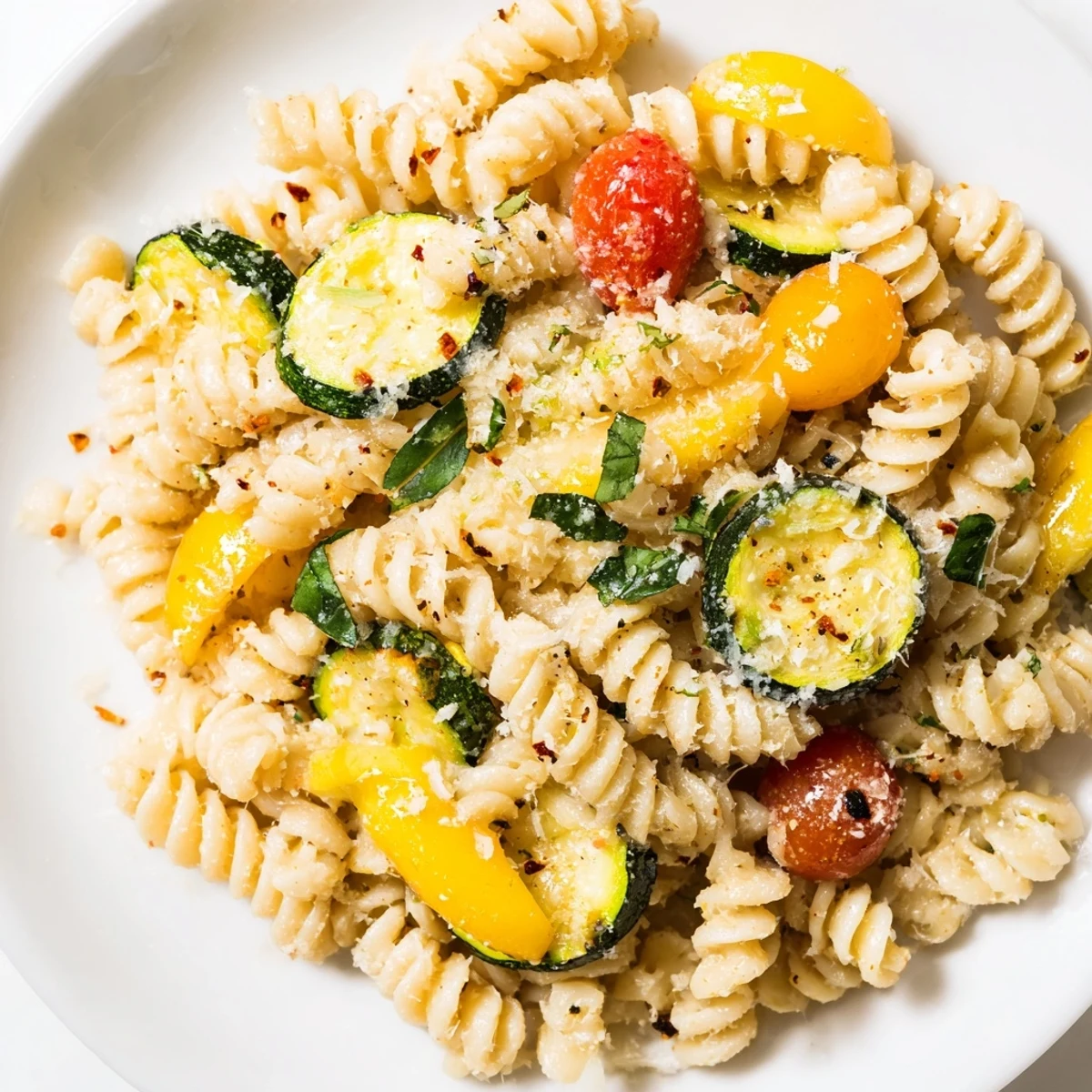
Save This recipe has saved me so many times when friends drop by unexpectedly. It is the kind of food that makes people feel taken care of without you having to stress in the kitchen.
Choosing Your Squash
I have learned that smaller summer squash and zucchini have thinner skins and fewer seeds, which means they cook faster and taste less watery. If you are at the farmers market, grab the ones that feel heavy for their size with bright, glossy skin.
Making It Your Own
Sometimes I add a handful of spinach right at the end so it wilts into the pasta, or toss in some sun-dried tomatoes for a deeper umami flavor. My friend adds cannellini beans to make it more filling, and honestly it works.
What To Serve With It
A crisp white wine cuts through the olive oil beautifully, and a simple green salad with lemon vinaigrette balances the richness of the pasta.
- Grill some crusty bread to soak up extra sauce
- Keep extra Parmesan at the table because everyone will want more
- Cold leftovers make an excellent lunch the next day
 Save
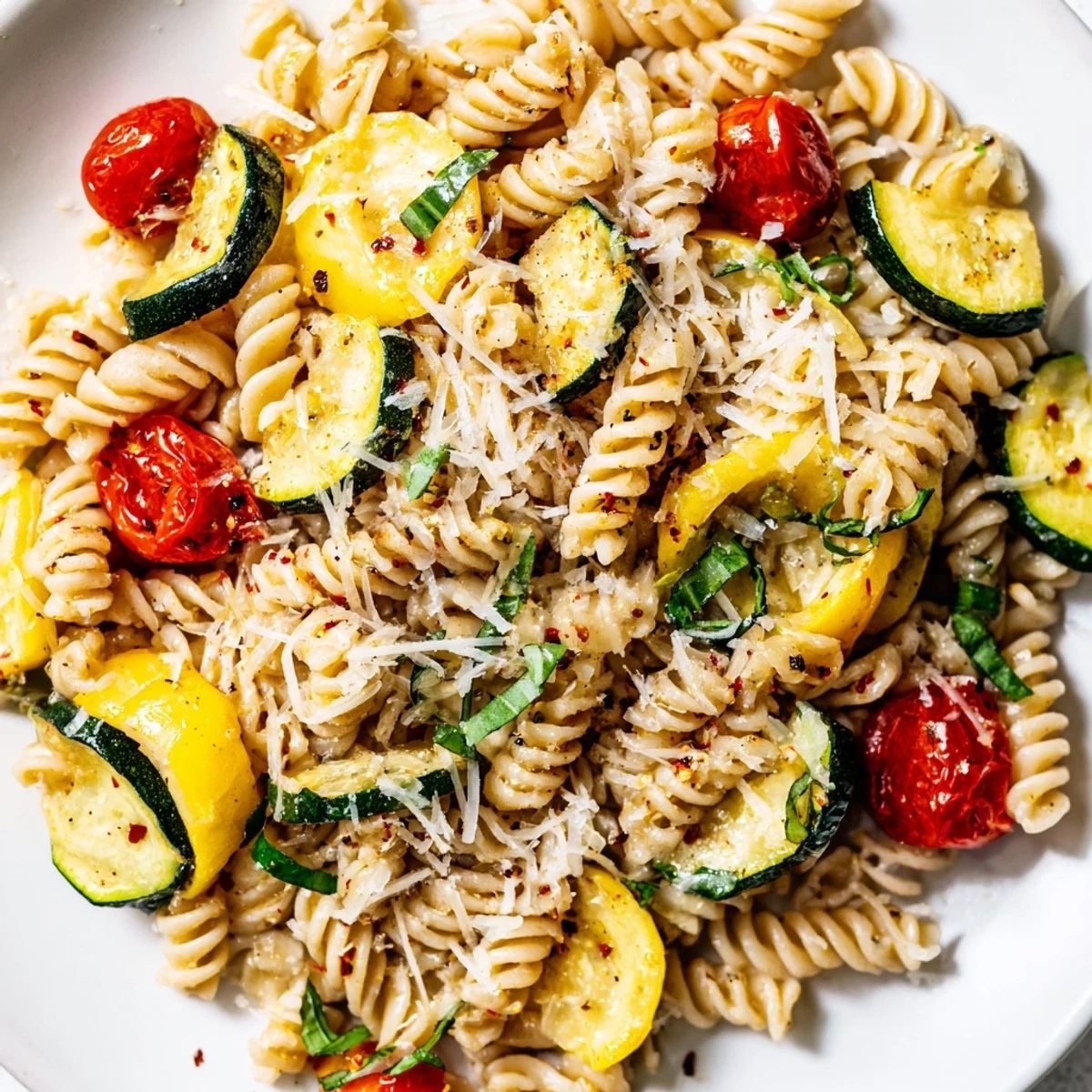
Save Trust your instincts and taste as you go. The best recipes are the ones you make your own.
Common Recipe Questions
- → Can I make this dish ahead of time?
-
While best enjoyed fresh, you can prepare the components in advance. Cook the pasta and vegetables separately, then combine when ready to serve with a splash of olive oil or pasta water to refresh the sauce.
- → What other pasta shapes work well?
-
Short pasta shapes like penne, rotini, fusilli, or farfalle are ideal because they catch the sauce and vegetables. Longer shapes like spaghetti or linguine also work if you prefer them.
- → How do I store leftovers?
-
Store in an airtight container in the refrigerator for up to 3 days. Reheat gently with a splash of water or olive oil to revive the sauce. The pasta will absorb more liquid as it sits, so you may need to add moisture when reheating.
- → Can I use different vegetables?
-
Absolutely. Bell peppers, eggplant, or roasted red peppers make excellent additions. You can also add spinach or arugula at the end for a pop of green. Just adjust cooking times accordingly.
- → Is this suitable for meal prep?
-
Yes, this dish reheats beautifully and actually develops more flavor as the ingredients meld. Portion into individual containers for easy lunches throughout the week. Add fresh herbs when serving to maintain their bright flavor.
- → How can I add more protein?
-
Stir in cannellini beans or chickpeas during the last few minutes of cooking. For animal protein, grilled chicken strips or sautéed shrimp work wonderfully. Even a handful of walnuts or pine nuts can add protein and texture.