
 Save
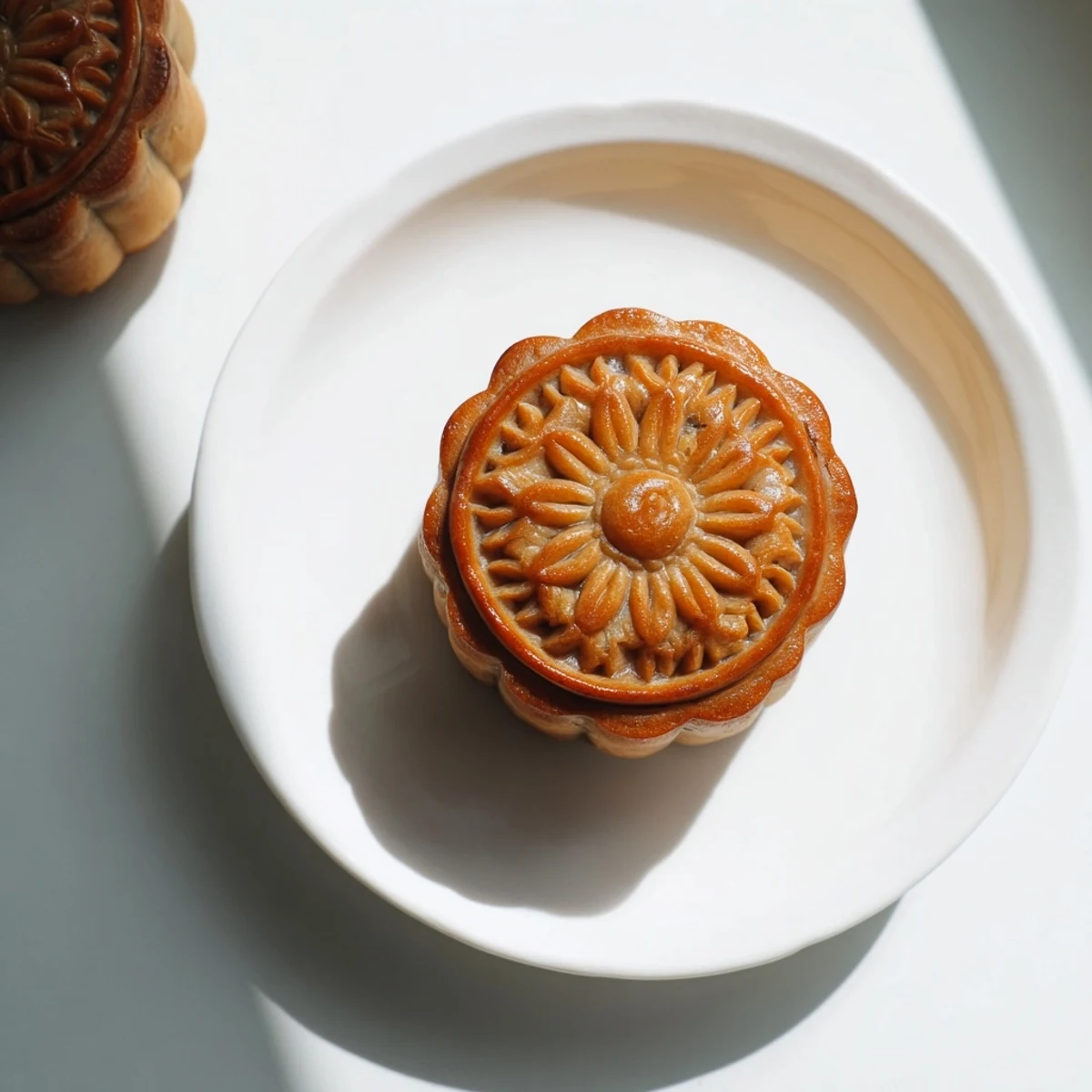
Save These delicate pastries feature a tender, golden crust enveloping rich lotus seed paste. The traditional preparation involves creating a smooth dough from golden syrup and alkaline water, then wrapping it around sweet filling centers. Optional salted egg yolks add a savory contrast to the sweetness. The unique two-stage baking process develops a beautiful sheen while maintaining the characteristic dense, chewy texture. Allow them to rest for a day or two before serving—the skin softens beautifully, creating the perfect balance between crust and filling.
The golden syrup sat on my shelf for months before I finally attempted mooncakes, intimidated by stories of cracked skins and failed molds. My first attempt produced lopsided pastries that looked more like asteroids than the elegant rounds I'd seen in bakery windows. But biting into that imperfect first mooncake, with its tender skin giving way to sweet lotus paste and the surprise of a rich golden yolk, I understood why these pastries have anchored Mid-Autumn celebrations for generations.
Last autumn, I made a batch for my neighbor who hadnt celebrated the festival since leaving China decades ago. Watching her face light up at the first bite, the intricate pattern on the mooncake triggering memories of family gatherings half a world away, reminded me that food carries stories across oceans and generations.
Ingredients
- 200 g all-purpose flour: The foundation of that tender, slightly chewy skin that holds everything together
- 120 g golden syrup: This amber colored syrup gives the dough its characteristic color and prevents the skin from hardening
- 50 g vegetable oil: Any neutral oil works, but I prefer peanut oil for its subtle depth
- 1 tsp alkaline water: Also called lye water, this reacts with the syrup to create that signature golden hue and texture
- 500 g lotus seed paste: Smooth, creamy, and subtly sweet, this is the traditional filling that balances perfectly with the pastry
- 12 salted egg yolks: The crown jewel inside each mooncake, creating a rich savory contrast to the sweet filling
- 1 egg yolk mixed with 1 tbsp water: A simple glaze that transforms the pale dough into burnished gold
Instructions
- Mix the wet foundation:
- Whisk golden syrup, oil, and alkaline water until completely smooth, watching the amber liquid emulsify into something silky and cohesive
- Form the resting dough:
- Fold in the flour until just combined, cover the bowl, and let the dough rest for 30 minutes so the flour can fully hydrate and the gluten can relax
- Prepare the hidden centers:
- Divide lotus paste into 12 equal balls and nestle a salted egg yolk into each one, enclosing it completely so the yolk stays centered during baking
- Shape the mooncakes:
- Flatten a portion of dough into a disc, wrap it around a filling ball, and press into a floured mold before releasing onto your baking sheet
- Create that golden finish:
- Bake briefly, let cool, then brush with the egg glaze before returning to the oven until deeply burnished and fragrant
 Save
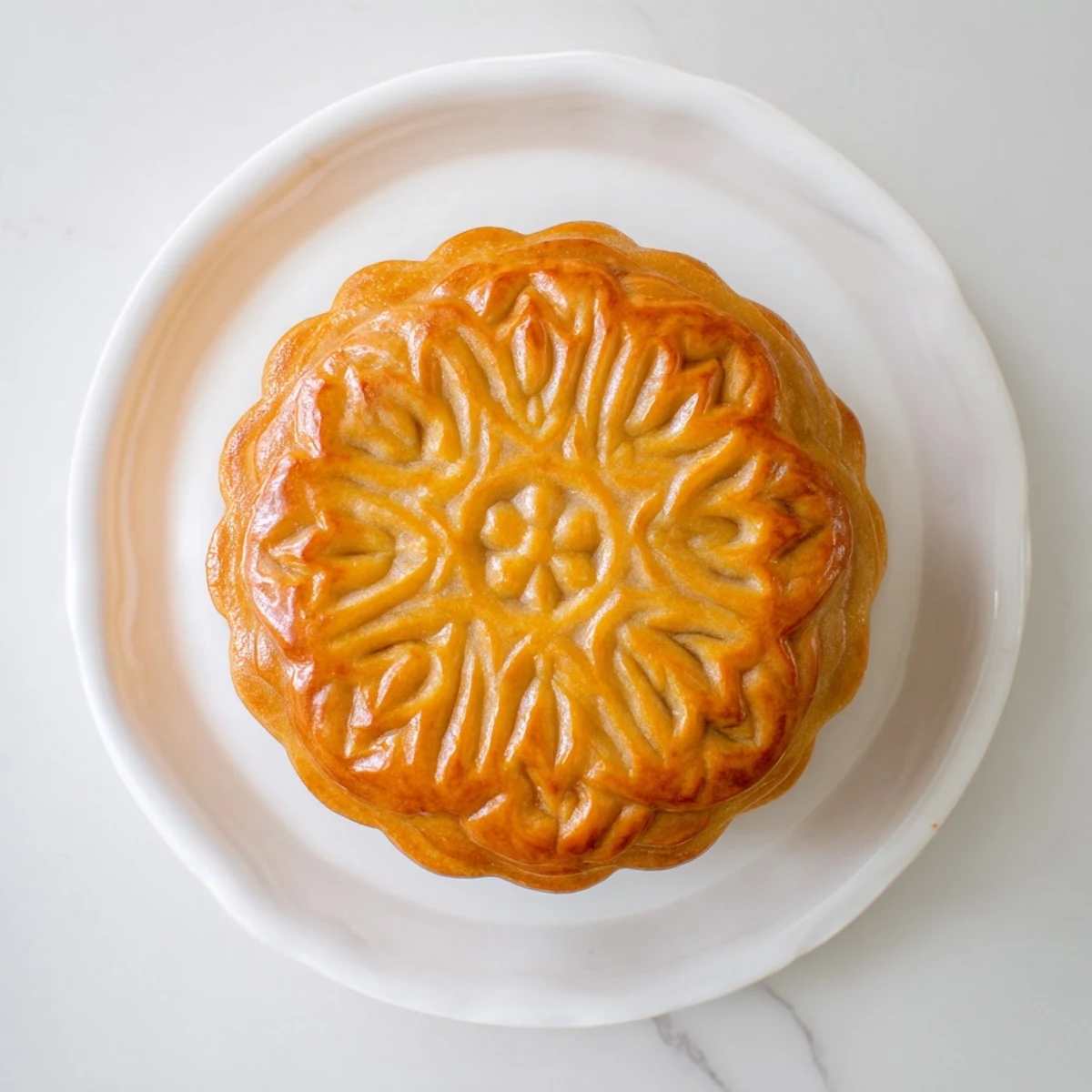
Save I've learned that the most forgiving part of this process is actually the molding. Even if your first few mooncakes emerge from the mold with less than perfect details, they'll still taste authentic. The real secret is patience during that resting period and a light hand when brushing on the glaze.
The Waiting Game
Freshly baked mooncakes have a crisp, almost cookie-like skin that transforms after a day or two in an airtight container. This resting period, called hui oil in Chinese, allows the oils to migrate from the filling to the skin, creating that characteristically tender, slightly shiny exterior. It's tempting to eat them immediately, but waiting yields a completely different texture.
Mold Mechanics
Traditional wooden molds produce the most intricate designs but require careful dusting with flour to prevent sticking. Modern plastic presses are more forgiving and easier to release. Regardless of your mold type, flour both the mold and the dough balls thoroughly, and tap firmly but gently when releasing to preserve those delicate patterns.
Tea Pairing Wisdom
The richness of mooncakes demands a beverage that can cut through their density and sweetness. Pu erh tea with its earthy depth is the classic choice, its tannins cleansing the palate between bites. A light oolong offers floral notes that complement the lotus paste, while jasmine tea provides a refreshing contrast to the filling's intensity.
- Brew your tea slightly stronger than usual to stand up to the mooncake's richness
- Serve mooncakes in small wedges rather than whole rounds, as they're quite dense
- Let mooncakes come to room temperature before serving for the best texture
 Save
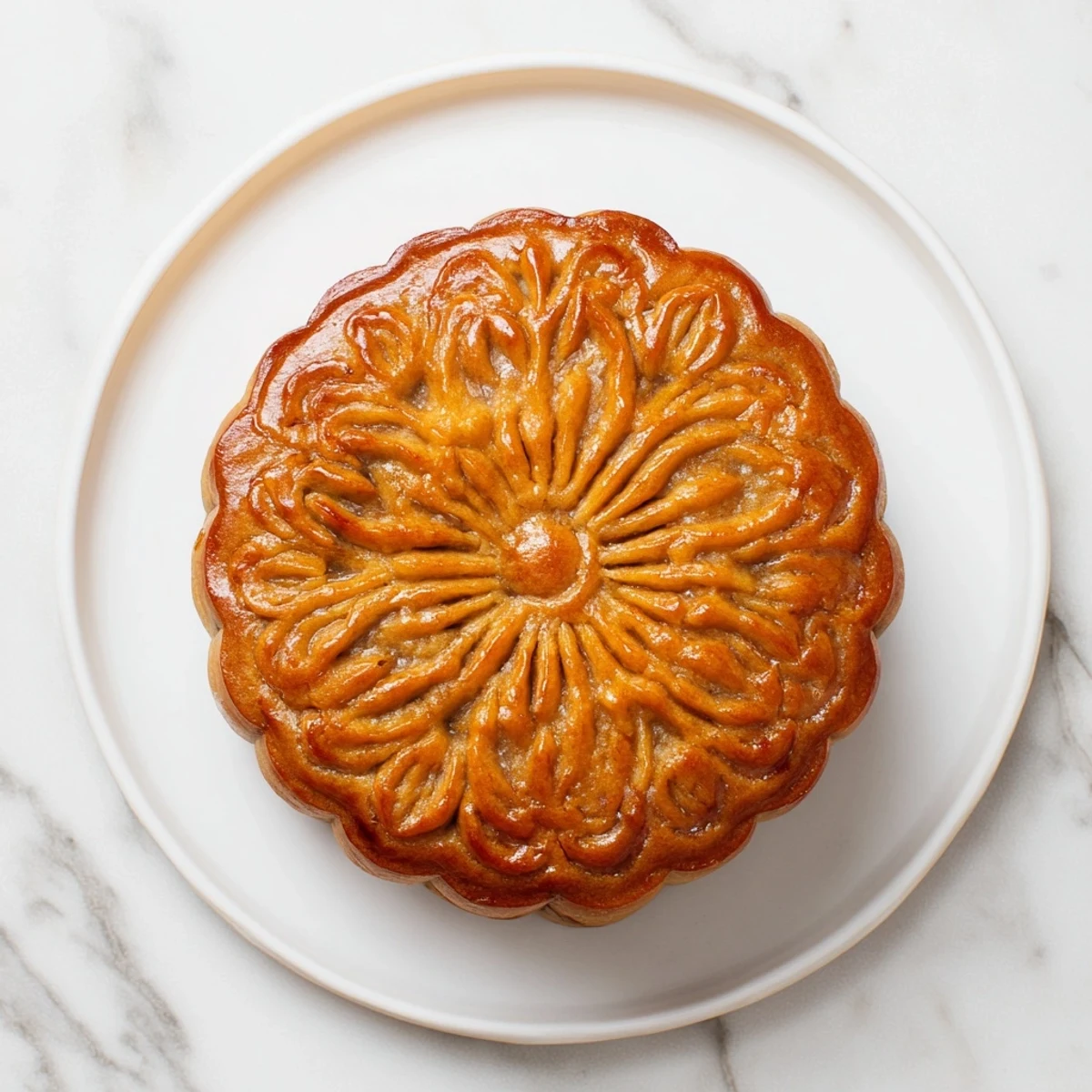
Save Whether you're celebrating Mid-Autumn Festival or simply want to master an iconic Chinese pastry, these mooncakes carry centuries of tradition in every golden, patterned round. Share them with someone who will appreciate the stories they hold.
Common Recipe Questions
- → What makes mooncakes so dense and rich?
-
The density comes from the lotus seed paste filling, which is naturally thick and concentrated. The golden syrup in the dough also creates a tighter crumb structure than typical pastries, resulting in that characteristic heavy, satisfying texture.
- → Why do mooncakes need to rest before serving?
-
Resting allows the oils in the filling to migrate slowly into the pastry skin, softening it from crisp to tender. This transformation typically takes 1-2 days in an airtight container and is essential for the authentic eating experience.
- → Can I make mooncakes without a traditional mold?
-
While molds create the classic decorative patterns, you can shape them by hand. Roll into smooth balls, flatten slightly, and use a knife to score a decorative pattern on top. The taste remains the same, though presentation will differ.
- → What's the purpose of alkaline water in the dough?
-
Alkaline water (lye water) promotes browning during baking and helps create that distinctive golden color. It also contributes to the tender, chewy texture of the pastry skin and provides a subtle depth of flavor.
- → How long do homemade mooncakes stay fresh?
-
Properly stored in an airtight container at room temperature, they'll keep for about 1-2 weeks. The flavors often deepen over the first few days. For longer storage, refrigerate for up to a month or freeze for 2-3 months.