
 Save
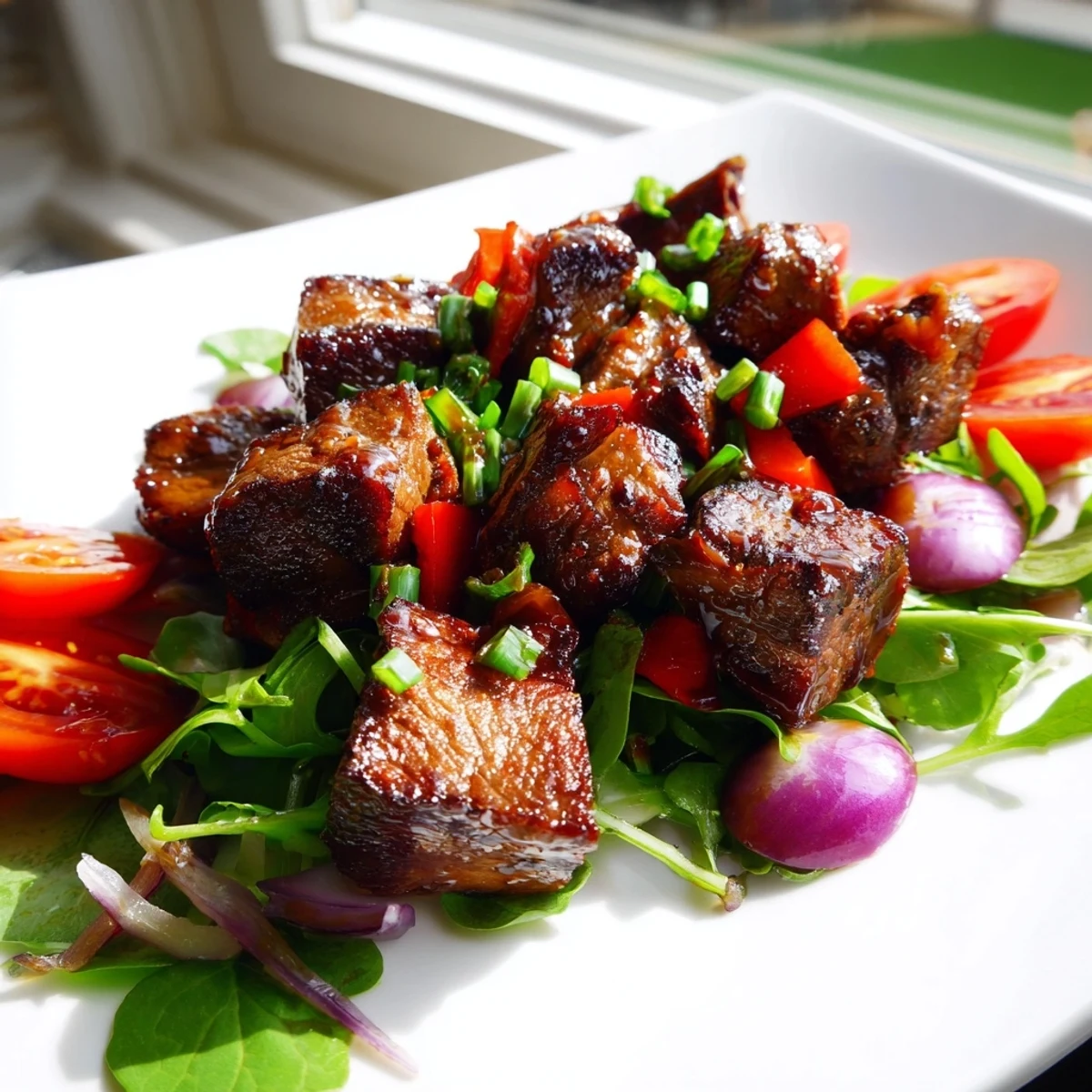
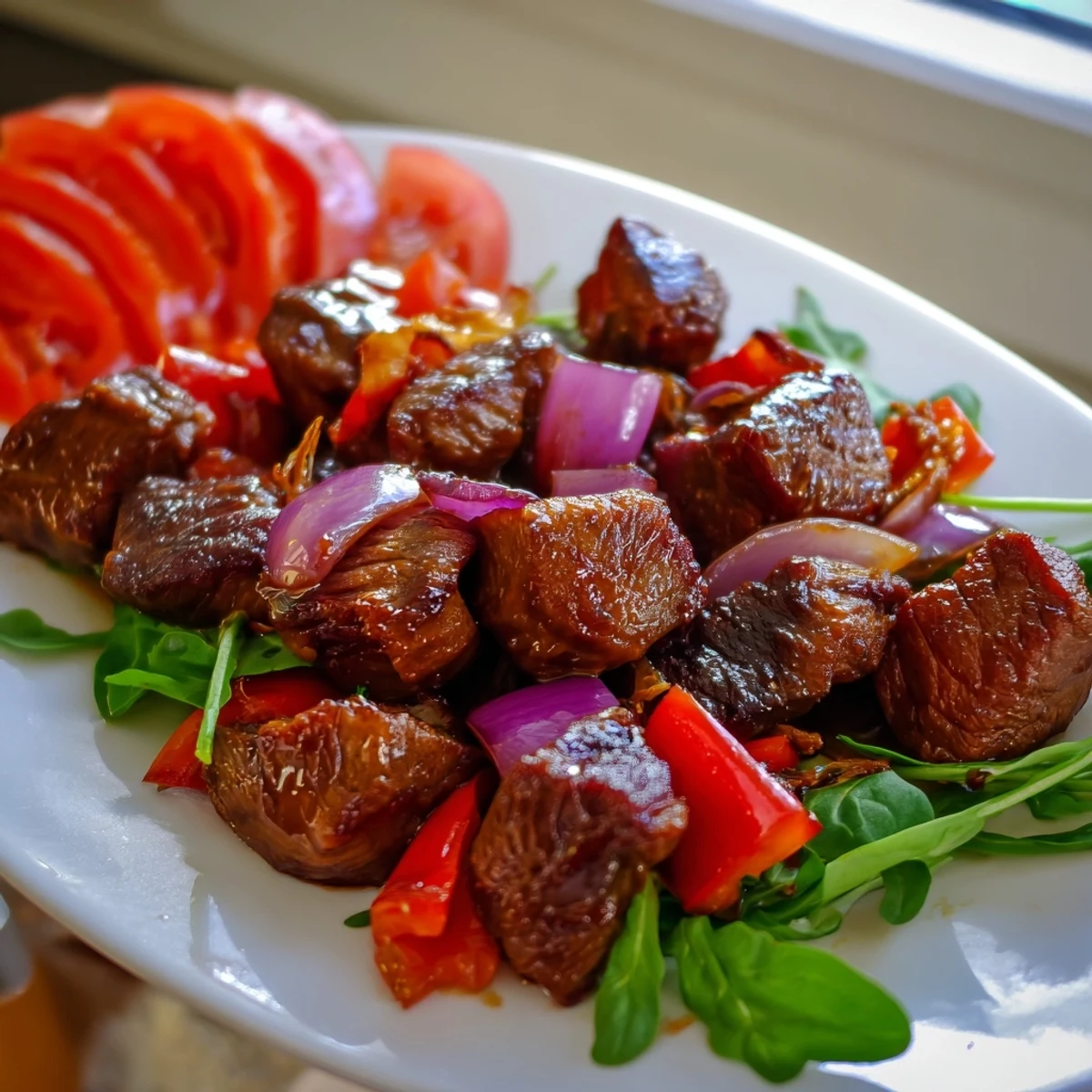
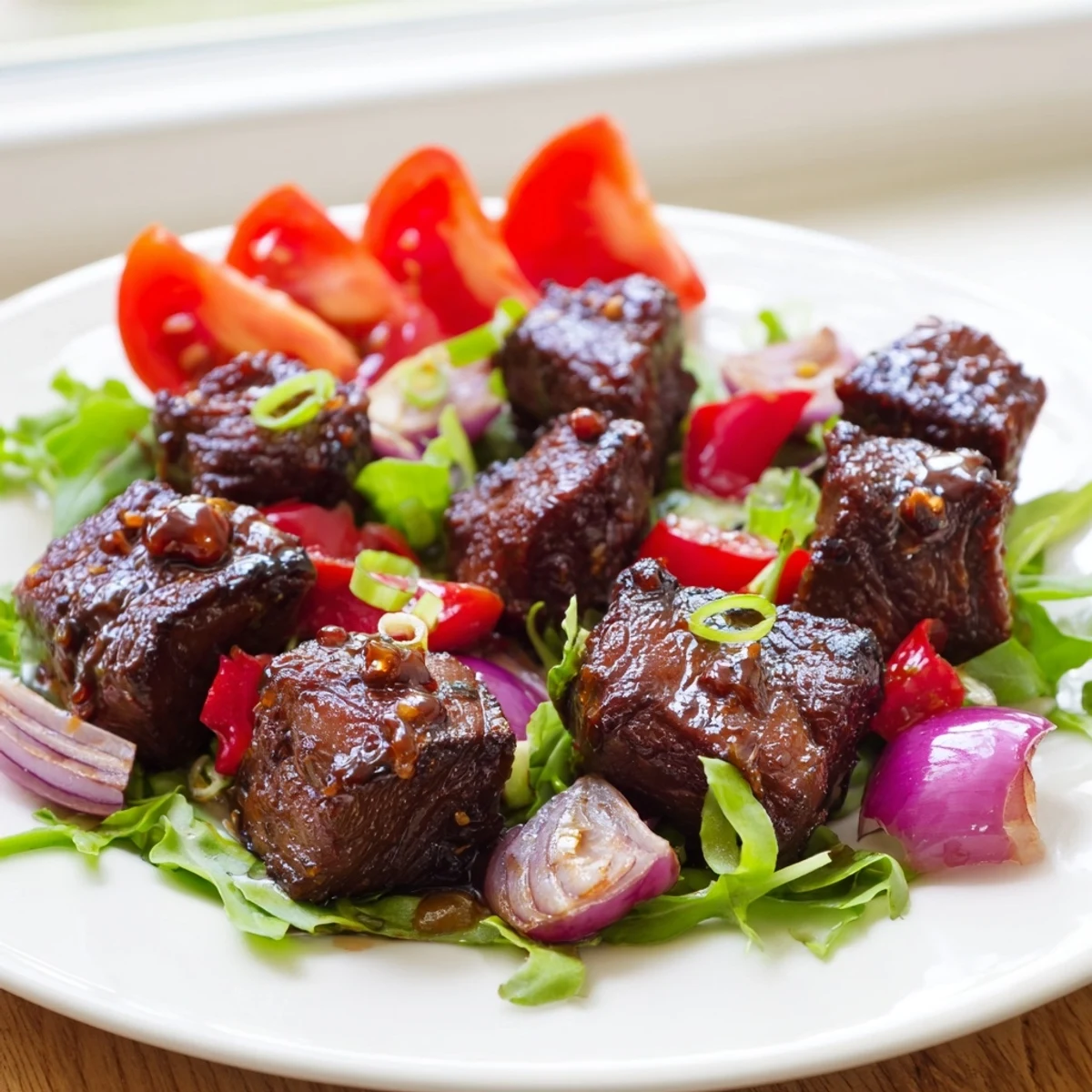
Save This vibrant Vietnamese dish features tender cubes of beef sirloin or tenderloin, marinated in a savory blend of soy sauce, oyster sauce, and aromatics. The beef is quickly seared over high heat—hence the shaking technique—then tossed with crisp red onion wedges and colorful bell pepper chunks. Served over a bed of fresh watercress and tomato slices, each bite balances rich, savory beef with bright, tangy lime dipping sauce. Perfect alongside steamed jasmine rice for a complete meal.
The first time I had Bò Lúc Lắc at a family wedding in Saigon, I watched the cook literally shake the wok with such rhythm that the beef cubes danced. That sizzling sound, that caramelized soy and garlic hitting the hot oil, stayed with me for years. Now whenever I make it, my kitchen fills with that same irresistible aroma that makes everyone wander in asking whats for dinner.
Last summer, my friend Linh came over and taught me her trick of slicing the onions into wedges instead of rings. Something about how they caramelize better that way, she said while pouring herself iced tea. Were still eating this monthly, usually with cold beer and good conversation that lasts way past midnight.
Ingredients
- Beef sirloin or tenderloin (500g): Cut into uniform cubes so everything sears evenly, and remember that slightly fatty cuts stay juicier during high heat cooking
- Soy sauce: Use a good quality brand because this is your foundation of savory depth
- Oyster sauce: Adds that subtle sweetness and richness that makes restaurant stir fry taste so distinctive
- Fish sauce: Start with one tablespoon and adjust to your taste, it brings authentic umami without overpowering
- Sugar: White sugar helps create that beautiful caramelized exterior on the beef
- Freshly ground black pepper: Grind it right before using for the best aromatic punch
- Garlic: Minced fresh cloves, never the jarred stuff if you can help it
- Vegetable oil: Neutral oil with a high smoke point works best for the intense heat you need
- Red onion: Wedged rather than sliced holds its shape better during the quick stir fry
- Bell peppers: Both red and green add sweetness, color, and that satisfying crunch
- Spring onions: Add these last so they stay bright and fresh
- Lime: Fresh squeezed juice is non negotiable for the dipping sauce
- Watercress or baby greens: The slight bitterness perfectly balances the rich beef
- Ripe tomatoes: Sliced thin and arranged prettily on the platter
Instructions
- Marinate the beef:
- Combine all the marinade ingredients in a large bowl and toss the beef cubes until thoroughly coated. Let it sit for at least 15 minutes, though an hour gives you much deeper flavor penetration.
- Whisk up the lime sauce:
- Mix fresh lime juice with salt and pepper in a small bowl until dissolved. Set it aside so the flavors can mingle while you cook everything else.
- Prep your serving platter:
- Arrange watercress and tomato slices on a large serving plate before you start cooking. The warm beef will slightly wilt the greens in the most delicious way when you pile it on top.
- Get your pan seriously hot:
- Heat oil in a wok or large skillet until it shimmers and almost smokes. This high heat is what creates that restaurant quality sear and keeps the beef juicy instead of stewing in its own juices.
- Sear the beef properly:
- Add beef in a single layer and resist the urge to touch it for a full minute. Let it develop a dark crust before you shake or stir fry it for another 2 to 3 minutes until browned but still pink inside.
- Add the vegetables:
- Toss in onions and bell peppers, stir frying for just 1 to 2 minutes until they soften slightly but keep their crunch. Add spring onions right at the end and give everything one final toss.
- Assemble and serve:
- Pile everything onto your prepared platter and serve immediately while the beef is still sizzling hot. Pass the lime sauce and let everyone doctor their own portions.
 Save
Save My daughter now requests this for her birthday dinner every year. Something about building your own perfect bite with beef, peppers, and that tangy lime sauce makes the whole table feel interactive and alive.
Choosing the Right Cut
After testing various cuts over the years, tenderloin gives you the most buttery texture while sirloin offers better flavor and costs less. The key is trimming any silverskin before cubing, and cutting against the grain into uniform pieces. I learned this the hard way when my first attempt turned out chewy and uneven, and now I take that extra five minutes to prep the meat properly.
Mastering the Wok
Professional Vietnamese cooks use carbon steel woks that develop seasoning over time, but a heavy stainless steel skillet works perfectly fine at home. The real secret is getting your oil smoking hot before adding the beef. That initial sear locks in juices and creates those gorgeous caramelized bits that make this dish so addictive. Practice your shake and toss motion away from the heat first, and soon it will feel like second nature.
Sauce Secrets
The lime dipping sauce might seem simple, but getting the balance right transforms the whole dish. Some nights I add a pinch of sugar to tame the acidity, other times I crank up the pepper for extra heat. Let everyone adjust their own sauce at the table.
- Room temperature limes yield more juice than cold ones
- Roll the lime on the counter before cutting to break down the internal membranes
- Make extra sauce because people will inevitably ask for more
 Save
Save Gather some friends, maybe crack open a cold beer, and let this shaking beef become your new weeknight dinner tradition.
Common Recipe Questions
- → What cut of beef works best for shaking beef?
-
Sirloin or tenderloin are ideal choices. These cuts are tender enough to stay juicy during quick high-heat cooking. Ribeye also works beautifully for extra richness.
- → Why is it called shaking beef?
-
The name comes from the cooking technique—constantly shaking or stir-frying the beef in the wok over high heat ensures even searing while keeping the meat tender and juicy.
- → How long should I marinate the beef?
-
Marinate for at least 15 minutes to develop basic flavor. For deeper taste, marinate up to 1 hour. Beyond that, the acid in sauces may start affecting texture.
- → What can I substitute for oyster sauce?
-
Try vegetarian mushroom sauce for a similar umami depth. Hoisin sauce mixed with a splash of soy sauce also works as an alternative.
- → Is this dish spicy?
-
The base version isn't spicy. Add fresh sliced chilies to the dipping sauce or the marinade if you prefer heat. The lime dipping sauce provides tangy brightness without spice.
- → Can I make this dairy-free?
-
This dish is naturally dairy-free. Just verify your soy sauce and oyster sauce brands are gluten-free if needed, as some contain wheat-based additives.