
 Save
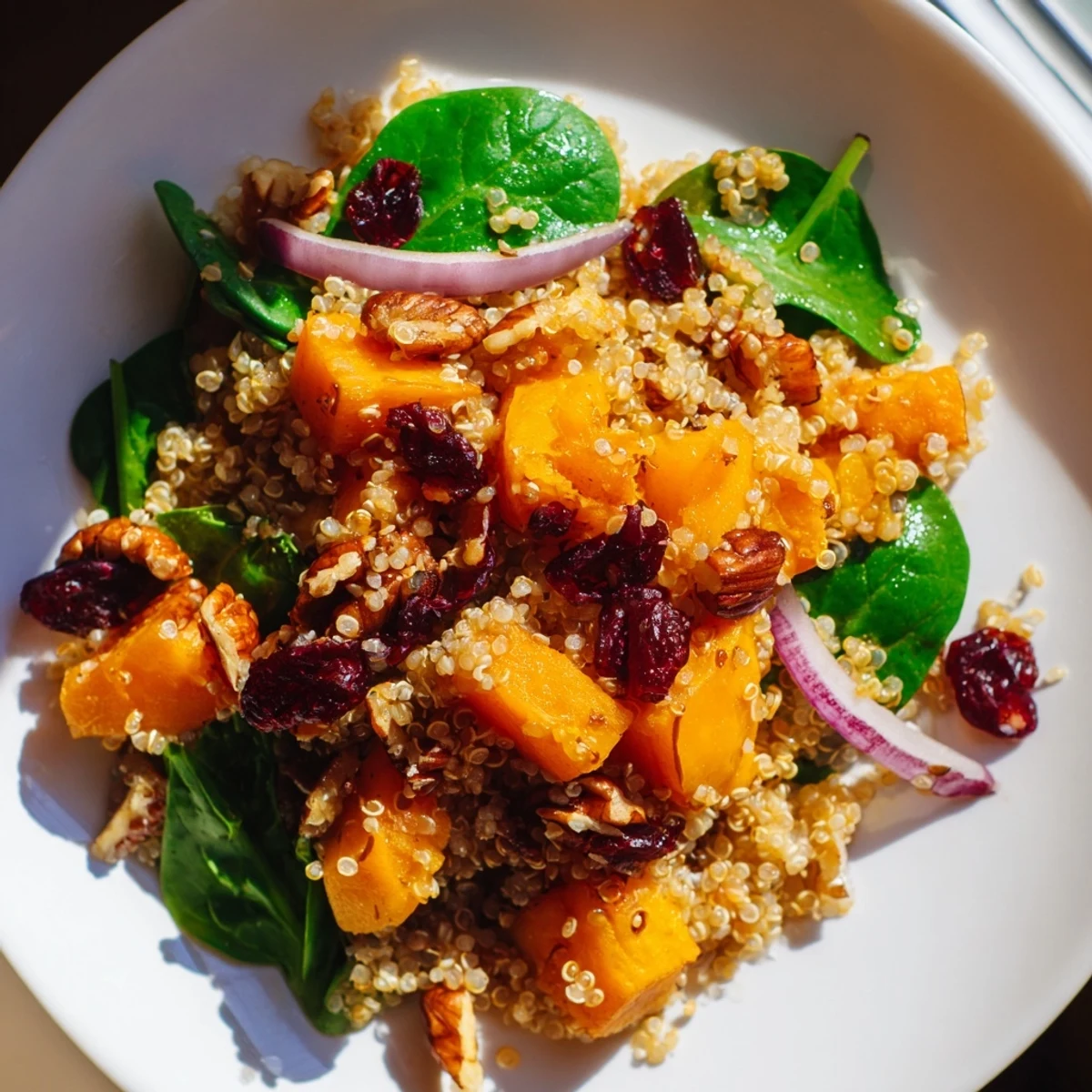
Save This warm quinoa and butternut squash salad blends tender roasted squash with fluffy grains and tart cranberries, balanced by baby spinach and crunchy toasted nuts. The dressing of olive oil, apple cider vinegar, maple syrup, and Dijon mustard adds a subtle tang, enhancing the natural flavors. Quick to prepare and packed with textures, it's perfect for a nourishing lunch or side dish, adaptable with nuts or protein options and easily served warm or at room temperature.
There's something about the way butternut squash caramelizes in the oven that makes you forget it's technically a vegetable—the way it turns golden and almost candy-like, releasing this earthy-sweet smell that fills your whole kitchen. That's when I knew this salad had to happen: standing in front of the oven one October afternoon, watching those pieces transform, and thinking about how to balance all that richness with something bright and alive. Quinoa felt like the natural partner, humble but sturdy enough to hold its own, and the cranberries? They're the tart punctuation mark that makes everything else taste like itself.
I made this for a potluck dinner on a chilly weekend, bringing it in a glass container I wasn't sure I'd get back. People went back for seconds, and someone asked if I'd made it professionally—which made me laugh because I'd been stress-cooking in my tiny kitchen an hour before leaving. That moment, watching someone enjoy something you've made, made me realize this wasn't just another salad recipe to me anymore.
Ingredients
- Quinoa, rinsed: Rinsing removes the natural bitterness that catches a lot of people off guard; it takes thirty seconds and changes everything.
- Water or vegetable broth: Broth adds a subtle background note that plain water can't match, though water works perfectly fine if that's what you have.
- Butternut squash, peeled and diced: Buy it pre-cut if you want to save yourself the wrestling match with a whole squash; your future self will thank you.
- Olive oil: Use something you actually like the taste of, not the cheap stuff reserved for cooking only.
- Red onion, thinly sliced: The thin slicing matters because you want it to soften slightly into the warm grain without dominating everything.
- Baby spinach: The warmth of the quinoa will wilt it gently, so you get texture without having to cook it separately.
- Dried cranberries: Their tartness is the secret weapon here; don't skip them or use raisins as a substitute unless you want a completely different dish.
- Pecans or walnuts, chopped: Toast them dry in a skillet first if you have two minutes; it wakes up their flavor in a way that transforms the whole salad.
- Olive oil, apple cider vinegar, maple syrup, Dijon mustard: The dressing is where the magic happens—the vinegar cuts the sweetness of the squash, the mustard adds personality, and the maple syrup pulls it all into balance.
Instructions
- Get your oven and squash ready:
- Preheat to 400°F and toss your diced squash with a couple tablespoons of olive oil, salt, and pepper, then spread it on a baking sheet in a single layer. The oil is crucial—it's what makes the edges crisp and caramelize.
- Roast until golden:
- Roast for 25 to 30 minutes, giving everything a stir halfway through so it cooks evenly. You're looking for edges that are darkened and browned, not just soft.
- Cook your quinoa:
- While the squash does its thing, rinse your quinoa under cold water, then add it to a saucepan with 2 cups of water or broth. Bring it to a boil, then drop the heat low, cover it, and let it simmer for about 15 minutes until the liquid is absorbed.
- Let it rest:
- Once the water is gone, take the pan off heat and let it sit covered for 5 minutes—this matters more than you'd think. Fluff it with a fork afterward and you'll see the grains separate instead of clump.
- Make your dressing:
- In a small bowl, whisk together 3 tablespoons of olive oil, a tablespoon of apple cider vinegar, a tablespoon of maple syrup, a teaspoon of Dijon mustard, and a pinch of salt and pepper. Taste it as you go; you might want a touch more of something.
- Bring it all together:
- In a large bowl, combine the warm quinoa, roasted squash, baby spinach, thinly sliced red onion, cranberries, and nuts. The spinach will soften from the warmth, and everything mingles beautifully.
- Dress and serve:
- Pour the dressing over everything and toss gently—you want to coat everything without breaking up the squash pieces. Serve it warm, or let it cool and eat it later; it's honestly good either way.
 Save
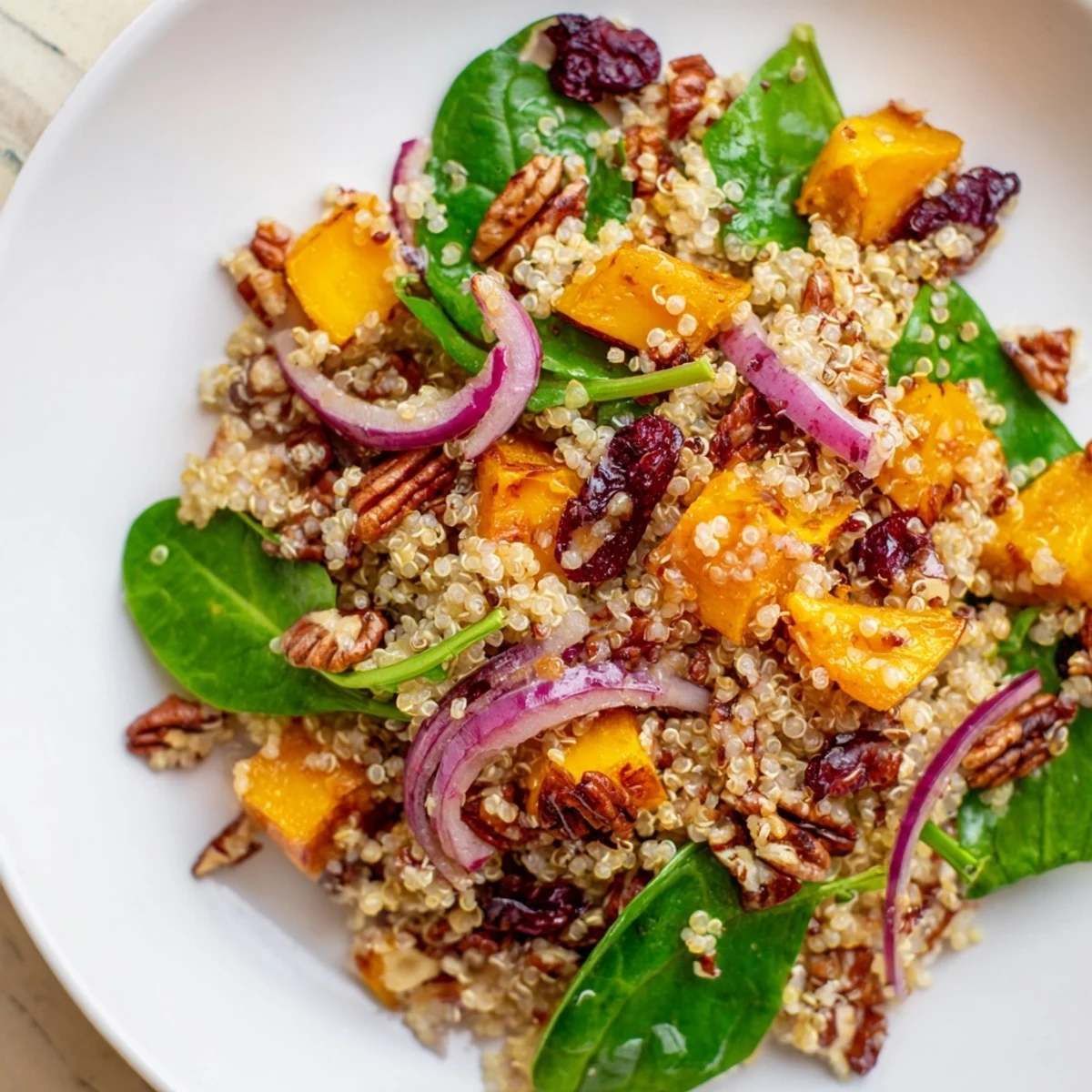
Save What I didn't expect was how this salad became a weeknight workhorse in my kitchen, something I'd make when I needed to feel like I was taking care of myself without spending hours on it. It turned into a recipe I'd make on Sundays for the week ahead, pulling it out of the fridge with a fresh squeeze of lemon when I needed something that felt both comforting and alive.
Why This Salad Works Year-Round
The beauty of this combination is that it doesn't feel seasonal even though butternut squash screams autumn. In winter, it's hearty enough to satisfy; in spring, the brightness of the cranberries and spinach lifts everything; in summer, you eat it cold and it somehow still feels nourishing instead of heavy. The quinoa is the quiet anchor that makes the whole thing feel substantial enough to be a real meal, not just a side dish you picked at.
Customizing Without Losing the Soul
I've made this with chickpeas stirred in for extra protein, or crumbled feta when I was feeling indulgent, and it never once felt like I'd broken the recipe. You could swap the butternut squash for roasted sweet potato or even regular pumpkin if that's what you have, though each one shifts the flavor slightly—the butternut is the sweetest, almost buttery, while sweet potato is earthier and more grounded. The nuts can change too; I've used almonds, cashews, even sunflower seeds when someone at the table couldn't eat tree nuts.
Small Moments That Make the Difference
The things that actually matter aren't complicated, but they do matter. A good quality apple cider vinegar makes the dressing taste like you put thought into it; a fresh grind of black pepper from an actual grinder instead of the pre-ground stuff changes the whole experience; even letting the finished salad sit for five minutes before serving lets everything get to know each other instead of being thrown together at the last second.
- If you're meal-prepping, the dressing can go on the side so the salad stays crisp if you want to eat it over several days.
- This is genuinely delicious at room temperature, so it's perfect for potlucks, lunch boxes, or eating straight from the fridge when you can't be bothered to heat anything up.
- Save any extra dressing for vegetables or grains later in the week; it doesn't go bad and it tastes good on almost everything.
 Save
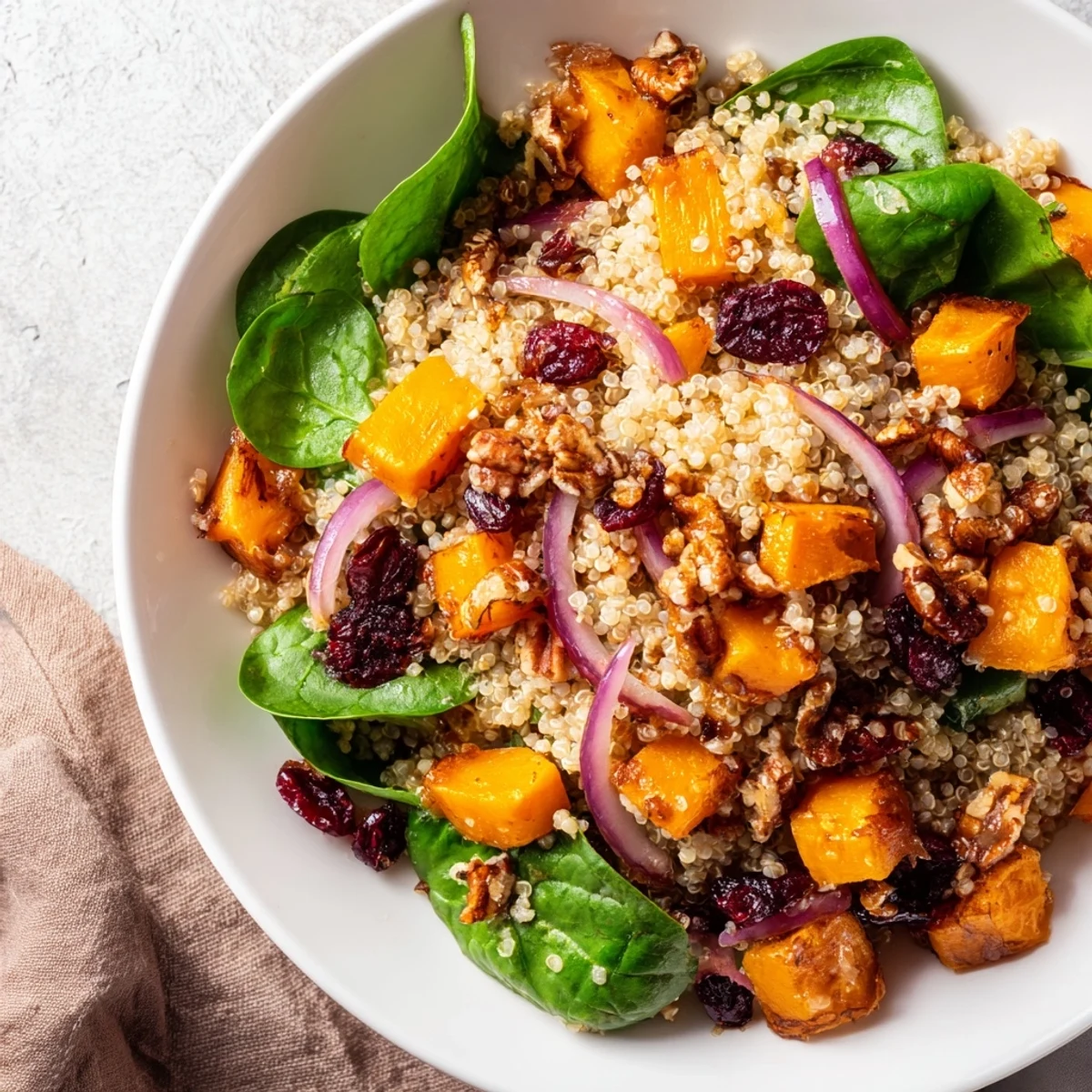
Save This salad has become one of those recipes I make without thinking about it much anymore, which is exactly when you know something has earned its place in your regular rotation. It's nourishing without being precious, looks good without being fussy, and tastes like you actually know what you're doing in the kitchen.
Common Recipe Questions
- → How do I ensure quinoa is fluffy?
-
Rinse quinoa well before cooking to remove bitterness, then simmer covered until water is absorbed. Let it sit covered off heat for 5 minutes before fluffing with a fork.
- → What’s the best way to roast butternut squash evenly?
-
Dice the squash into uniform pieces, toss with oil, salt, and pepper, then roast on a single layer, turning halfway to achieve a golden, tender result.
- → Can I substitute ingredients for dietary preferences?
-
Yes, pumpkin or sweet potato can replace butternut squash, and adding crumbled feta or chickpeas boosts protein while keeping the dish vegetarian.
- → How do toasted nuts enhance this salad?
-
Lightly toasting pecans or walnuts in a dry skillet releases oils and deepens flavor, adding a satisfying crunch to the salad.
- → Is it better served warm or chilled?
-
This salad is versatile and can be enjoyed warm right after tossing or at room temperature, allowing flavors to meld beautifully.
- → What dressing complements these ingredients well?
-
A dressing made with olive oil, apple cider vinegar, maple syrup, and Dijon mustard adds balanced tanginess and subtle sweetness that highlights all components.