
 Save
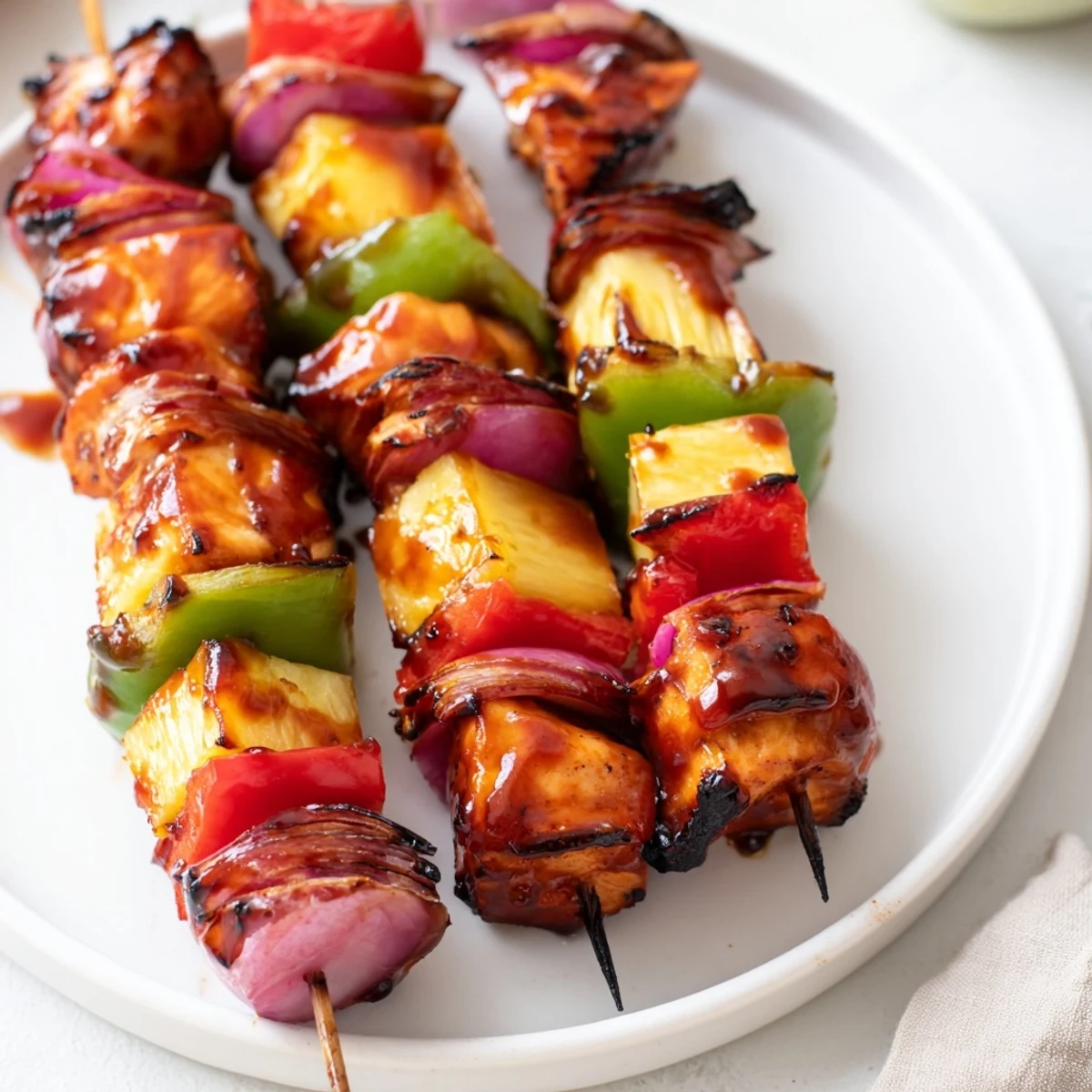
Save Marinated chicken cubes are threaded with fresh pineapple, bell peppers and red onion, then grilled over medium-high heat until caramelized and cooked through. Marinate at least 30 minutes (up to 2 hours) to infuse smoky BBQ flavor, then baste while turning every few minutes and grill 12-15 minutes. Rest briefly before serving. Swap tofu or shrimp, vary veggies, and check sauces for allergens.
The first time I prepped these BBQ Pineapple Chicken Kabobs, the kitchen was suddenly filled with the zing of pineapple and the sweet, smoky aroma of barbecue. It wasn't a special occasion, just a Tuesday with the windows open and the grill begging for action. As the chicken marinated, I noticed the vibrant colors of the fresh bell peppers—almost too pretty to cook. By the time the skewers hit the hot grates, the sizzle made me grin, knowing dinner would be equal parts flavor and fun.
Grilling these kabobs for friends last July, we laughed about how much pineapple I’d snuck onto each skewer—my not-so-subtle way of guaranteeing extra sweetness in every bite. The sun was hot and so were our plates; I learned that conversation always perks up over food this bright and inviting.
Ingredients
- Boneless skinless chicken: Chicken breast or thighs both soak up the marinade, but thighs stay extra juicy if you’re notorious for chatting and occasionally losing track of grill time.
- BBQ sauce: My favorite part—choose a tangy or smoky one, and don’t forget extra for basting on the grill for that sticky glaze.
- Olive oil: This keeps everything moist and leaves behind those golden grill marks we’re hunting for.
- Soy sauce: Just a splash rounds out the sweetness with umami depth; always check the label for gluten if needed.
- Minced garlic: I like smashing the cloves a bit for bolder flavor before mincing them small.
- Smoked paprika: The secret behind that subtle campfire aroma, even if you’re grilling indoors.
- Salt & pepper: You’ll learn to trust your hands here—season until it “feels right”.
- Fresh pineapple: Juicy, bursting, and caramelizes beautifully; never use canned, it’s just not the same.
- Red & green bell peppers: Their crunch and color liven up the platter, and they roast perfectly alongside the chicken.
- Red onion: Sliced into chunks, they mellow out and almost turn sweet on the grill—as if they’re in on the recipe’s secret.
Instructions
- Marinate the chicken:
- In a big bowl, whisk together BBQ sauce, olive oil, soy sauce, garlic, smoked paprika, salt and pepper until glossy and smooth. Nestle in your chicken cubes and turn them until they're well-coated, then cover and stash in the fridge—let them marinate for at least 30 minutes, or up to 2 hours if the clock lets you.
- Prep your grill and skewers:
- Fire up your grill to medium-high heat, around 400°F, and if you’re using wooden skewers, soak them in water so they don’t char while you chat.
- Thread the skewers:
- Alternate chicken, pineapple, peppers, and onion on each skewer, pressing them close so everyone touches and shares flavors as they grill.
- Grill to perfection:
- Place the kabobs on the hot grates, turning every 3–4 minutes and brushing with extra BBQ sauce; the sizzle gets louder as the edges caramelize and the veggies blister just right.
- Rest and serve:
- Transfer the kabobs to a platter, let them rest for a couple minutes while you inhale all the smoky-sweet aromas, then serve hot and expect them to disappear fast.
 Save
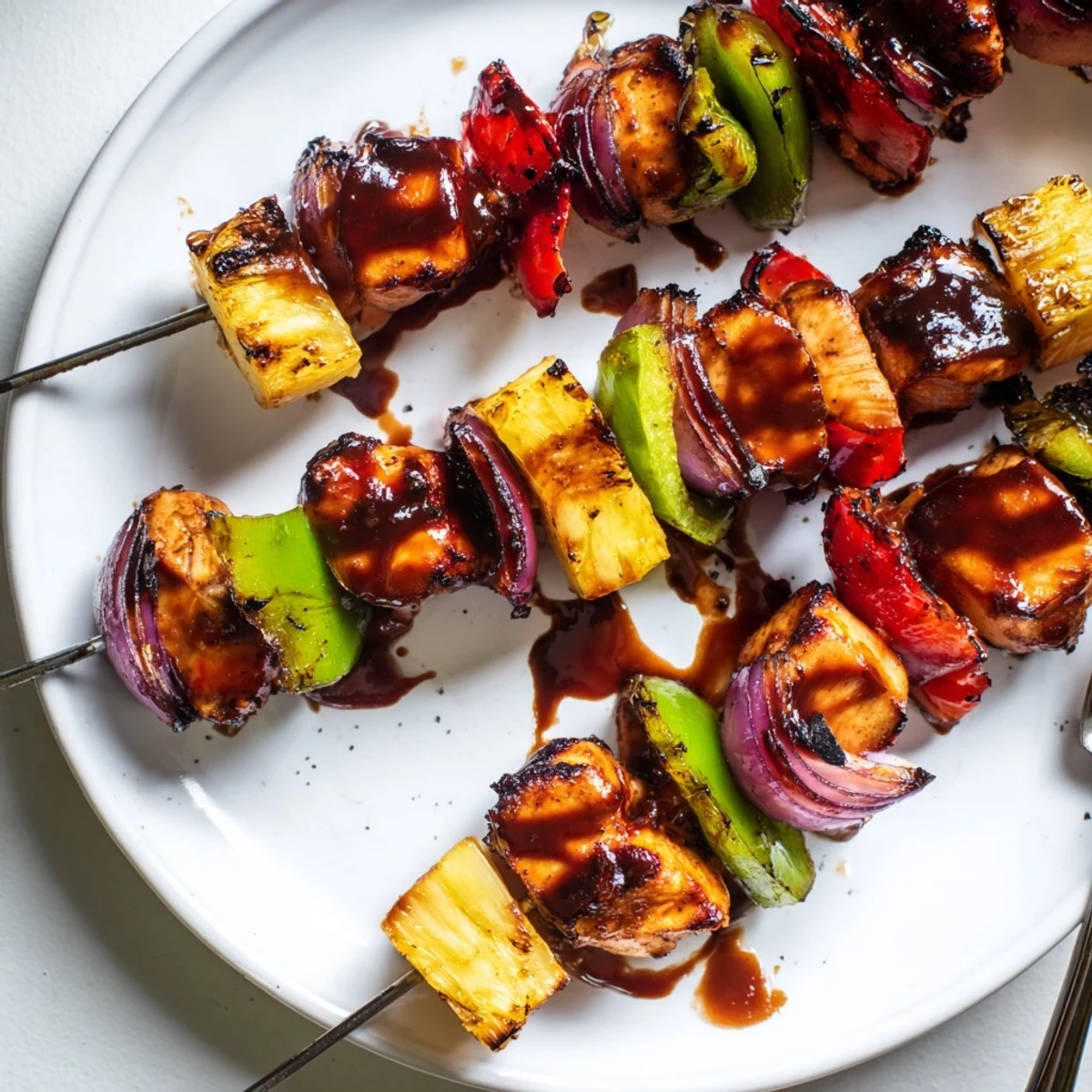
Save One evening, my nephew declared that the grill smoke “smelled better than fireworks”—and he wasn’t wrong. As we stood around picking kabobs clean, I realized just how much these skewers brought everyone together, sticky hands and all.
Getting That Perfect Char Without Overcooking
I learned not to rush the process: keep the lid closed between turns to let the heat envelop the kabobs, and don’t be afraid of a little char—that’s where flavor hides. If you’re worried about the chicken drying out, use thighs, and remember that a quick rest before serving keeps them juicy.
Mixing Up the Flavor
If your pantry is sparse, try swapping in mushrooms or zucchini, or experiment with a spicy BBQ sauce for a fiery twist. The kabobs are endlessly adaptable—no two batches ever seem to taste exactly the same.
Serving and Pairing Ideas
Plating these kabobs over a mound of coconut rice or next to a zesty corn salad turns them from snack to star of the meal. That glossy finish from the last brush of sauce always photographs well for those impromptu food pictures we send family.
- Wipe the grill hot and clean before each use for the best grill marks.
- Letting the kabobs rest helps juices settle instead of running onto the plate.
- Leftovers are great cold in a salad or tucked into wraps the next day.
 Save
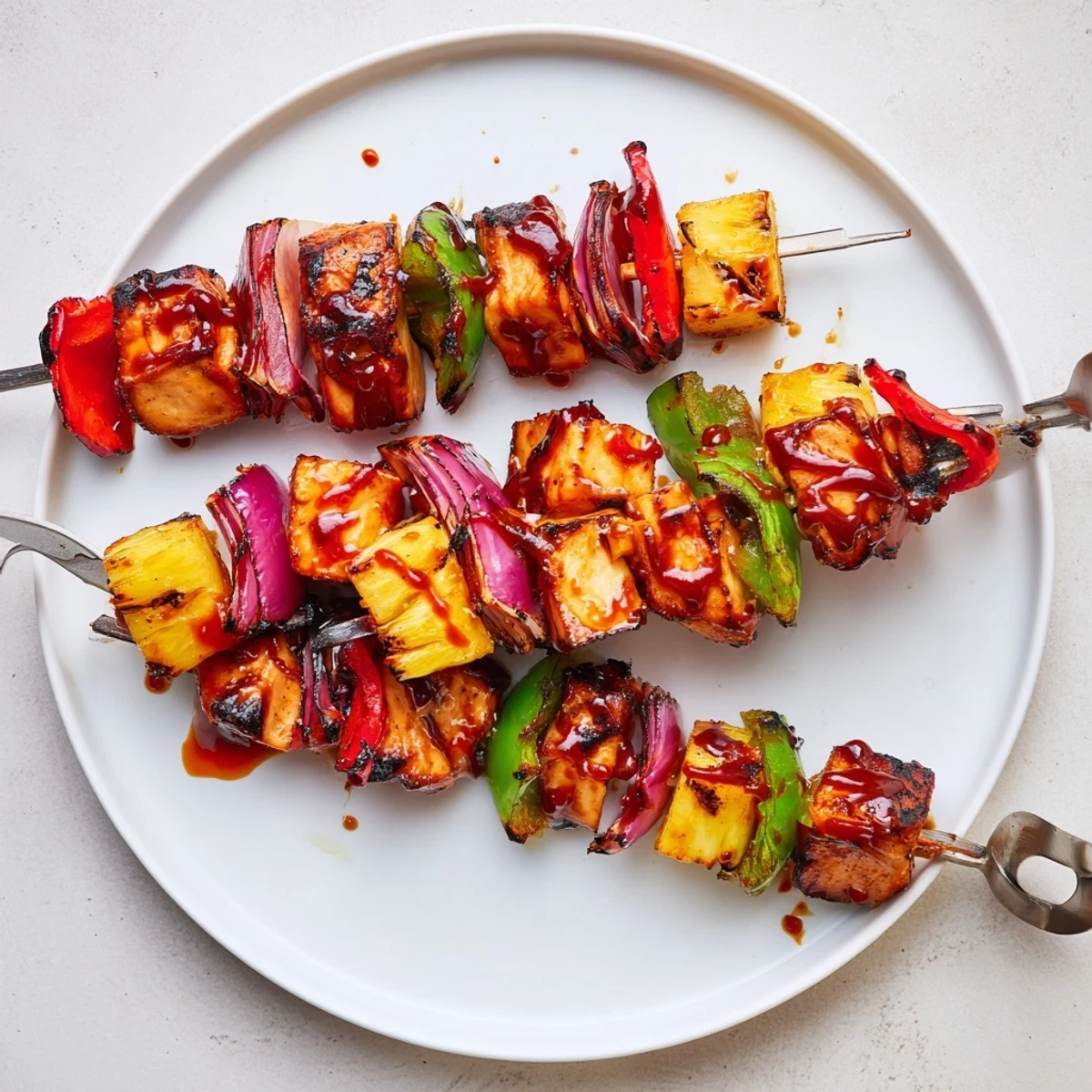
Save Few dishes bring everyone out to the patio like these kabobs. With every batch, I look forward to those small, smoky moments—shared, simple, and just a little bit sticky.
Common Recipe Questions
- → How long should the chicken marinate?
-
Marinate for at least 30 minutes to allow flavors to penetrate; up to 2 hours yields more depth. Avoid very long marinades with fresh pineapple juice or strong acids to prevent mushy texture.
- → What grill temperature and timing work best?
-
Preheat to medium-high (about 400°F/200°C). Grill the skewers 12–15 minutes, turning every 3–4 minutes and basting with sauce, until chicken is cooked through and vegetables are charred at the edges.
- → Should I use metal or wooden skewers?
-
Metal skewers heat evenly and are reusable; soak wooden skewers 20 minutes before grilling to reduce burning and splintering.
- → How do I prevent pineapple from over-tenderizing the meat?
-
Fresh pineapple contains enzymes that tenderize quickly. Limit exposure to acidic or fresh-pineapple-heavy marinades to 2 hours or less, or thread pineapple on skewers later in the grilling process.
- → What are good substitutions for chicken?
-
Shrimp or firm tofu make excellent swaps—adjust marinating and cooking times accordingly: shrimp cooks much faster, and tofu benefits from pressing before marinating.
- → How can I ensure the dish is gluten-free?
-
Use a gluten-free BBQ sauce and substitute regular soy sauce with tamari or another gluten-free soy alternative; always check condiment labels for hidden gluten.