
 Save
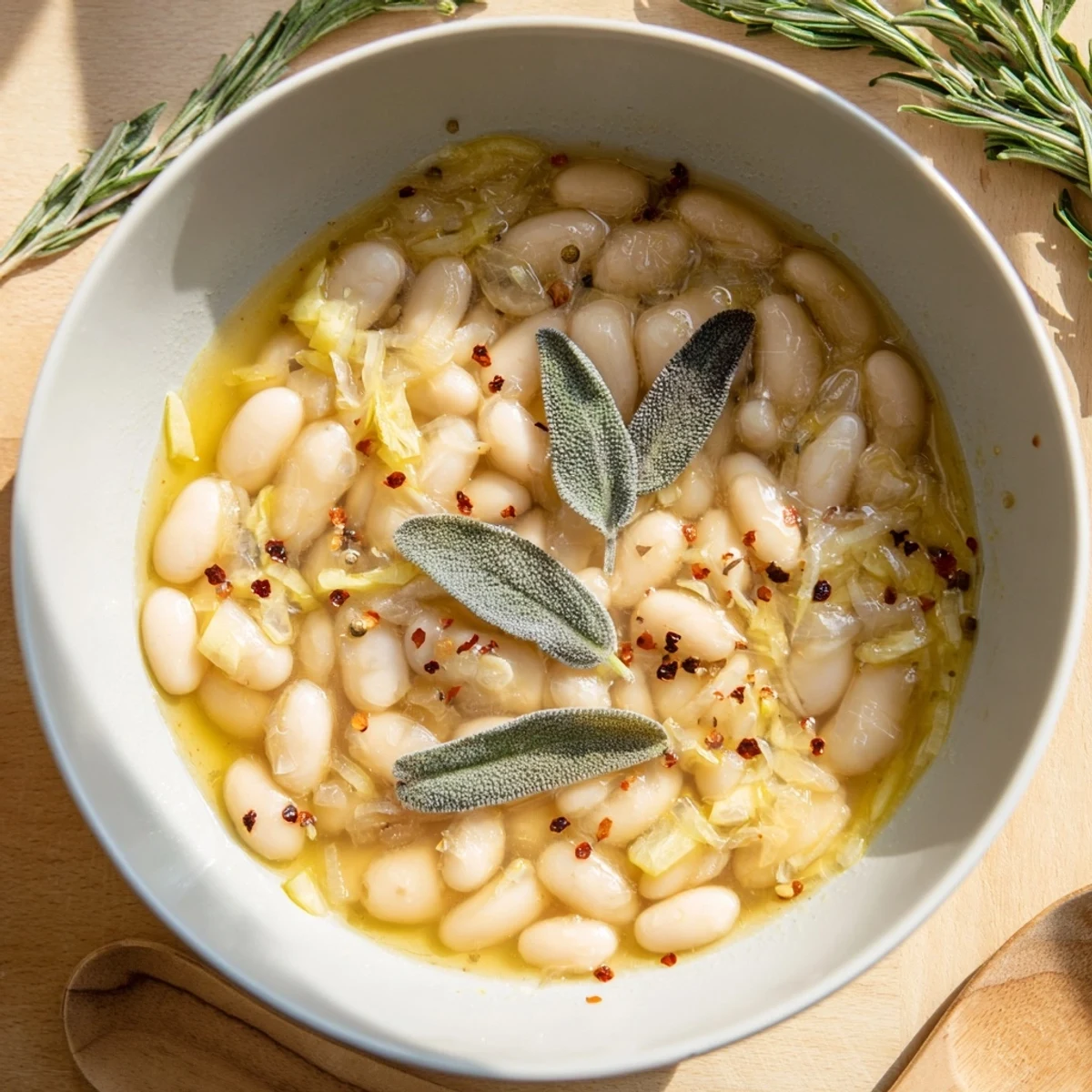
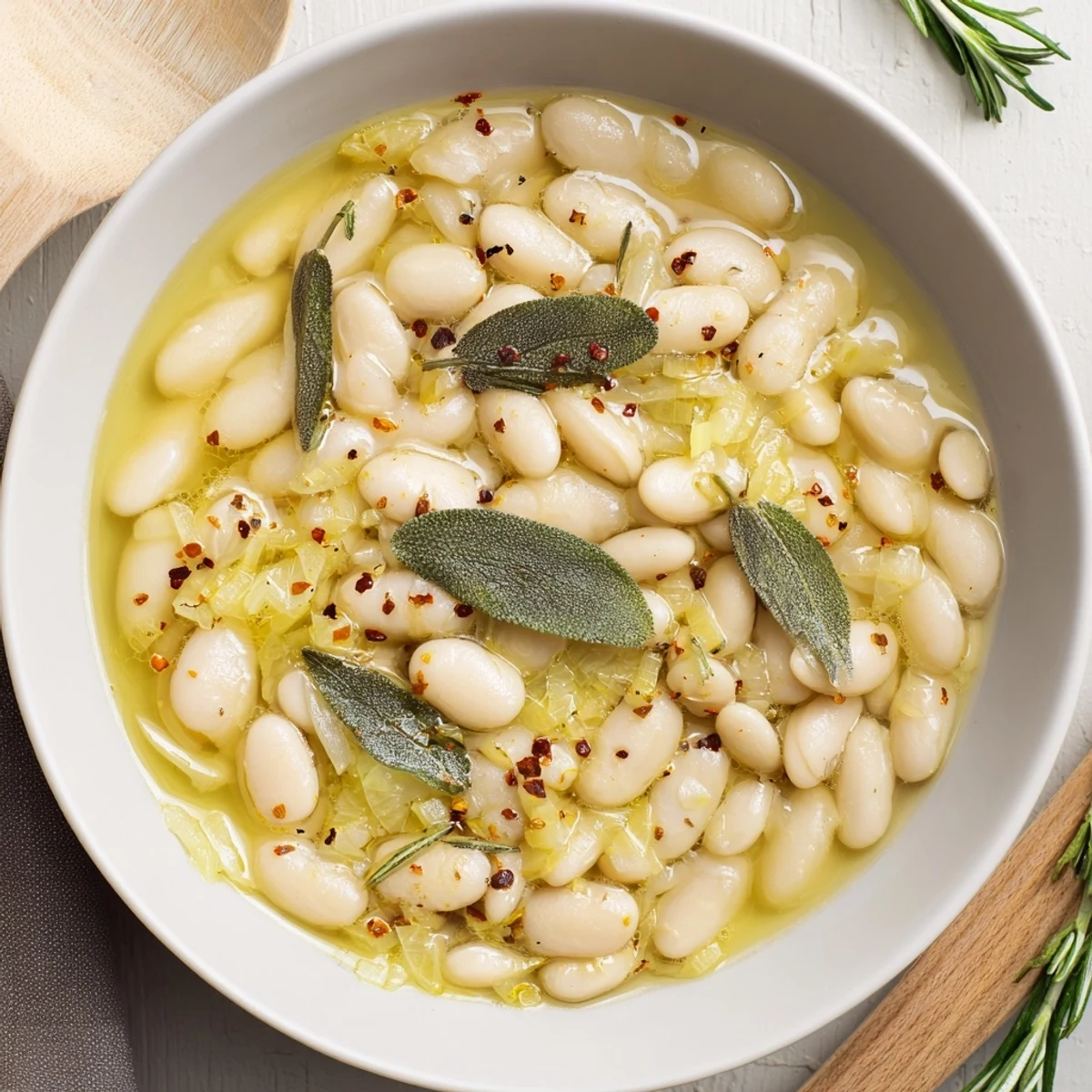
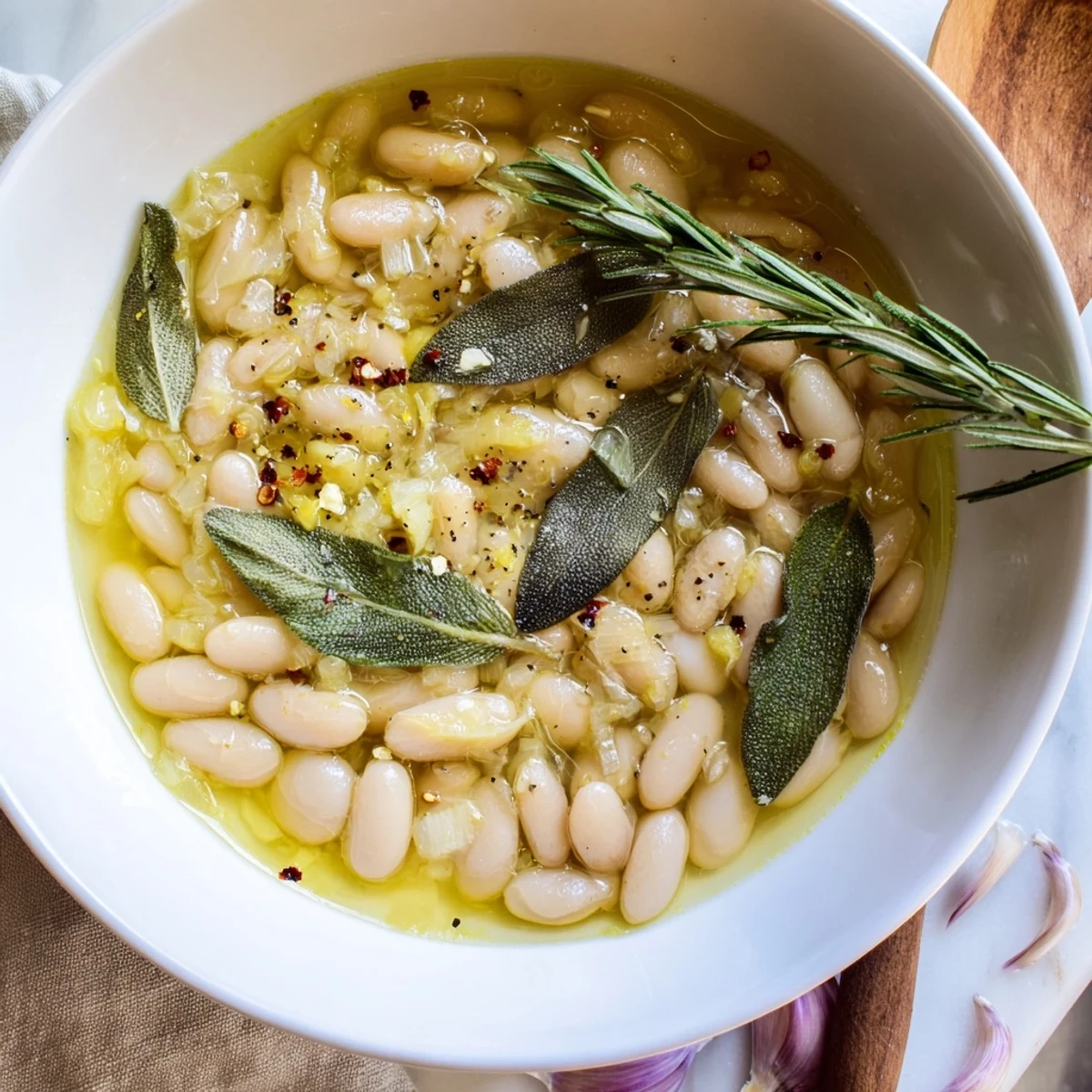
Save These Tuscan white beans deliver the perfect balance of creamy texture and robust Italian flavor. The cannellini beans simmer slowly with aromatic onions, garlic, rosemary, and sage, absorbing the rich flavors of olive oil and broth. What makes this dish special is how the beans become incredibly tender while creating a thick, velvety sauce that pairs beautifully with crusty bread, sautéed greens, or serves as a satisfying standalone dish. The gentle simmering process allows all the herbs to infuse their essence into every bite, while finishing with a drizzle of extra-virgin olive oil adds luxurious richness.
The air in my tiny apartment kitchen was thick with the smell of garlic and rosemary, my roommate peeking around the corner to ask what magic I was conjuring up. I'd just returned from a semester abroad in Florence, obsessed with recreating the impossibly creamy white beans I'd eaten at a neighborhood trattoria where the owner's nonna still came in to cook on Tuesdays. Three failed attempts later, I finally understood it wasn't about fancy technique—just patience and really good olive oil.
Last winter, during a snowed-in weekend with friends, I made a triple batch expecting leftovers. By midnight, the pot was scraped clean, and we were sitting around the coffee table in our socks, dipping torn pieces of crusty bread into what remained, debating whether we could legitimately call it dinner or just a very long appetizer.
Ingredients
- 2 cups dried cannellini beans: I've learned dried beans give you that velvety, from-scratch texture, but keep those canned beans as backup for busy nights
- 6 cups water: Essential if cooking dried beans from scratch
- 2 tablespoons extra-virgin olive oil: Don't skimp here—the oil becomes part of the sauce, so use something you'd drizzle on bread
- 1 small yellow onion: Finely chopped so it melts into the beans rather than staying in distinct pieces
- 3 garlic cloves: Minced fresh, never jarred
- 2 sprigs fresh rosemary: Fresh herbs make all the difference here, their oils infusing the cooking liquid
- 4 fresh sage leaves: Tear them slightly to release more flavor before adding
- 2 cups vegetable or chicken broth: Use what you have, but something low-sodium works best
- 1 teaspoon kosher salt: Start with this and adjust at the end
- 1/2 teaspoon freshly ground black pepper: Grind it right into the pot
- Pinch of red pepper flakes: Optional, but I love the subtle warmth it adds
Instructions
- Start the beans the night before:
- If using dried beans, cover them with plenty of cold water and let them soak overnight while you sleep, dreaming about dinner
- Build your flavor foundation:
- Heat olive oil in a heavy pot over medium heat, add onion and cook until it goes from harsh to sweet and translucent, about 4 minutes
- Wake up the aromatics:
- Stir in garlic, rosemary, and sage, letting everything sizzle for just 1 minute until your kitchen smells like an Italian grandmother's house
- Bring it all together:
- Add beans, broth, and 6 cups fresh water if using dried beans, then bring to a gentle bubble before reducing to a lazy simmer
- Let time do its work:
- Cook uncovered for 30 to 40 minutes with dried beans, or 15 to 20 minutes for canned, stirring occasionally until they're creamy and tender
- Finish with confidence:
- Fish out the woody herb sprigs, then season with salt, pepper, and that pinch of red pepper flakes, drizzling with more olive oil before serving
 Save
Save My grandmother tried these beans when she visited last spring, and after one spoonful she quietly asked for the recipe, writing it down on the back of a grocery receipt. Now she makes them every Sunday, claiming they taste just like the ones she had in Siena forty years ago.
Making It Your Own
Sometimes I'll add a diced carrot with the onion for sweetness, or throw in a bay leaf if I want something more aromatic. In summer, fresh thyme works beautifully instead of rosemary.
Serving Ideas
These beans are infinitely versatile. I love them spooned over garlicky toast, mixed into sautéed kale for a complete meal, or served alongside roasted chicken and a crisp salad.
Storage And Reheating
The beans actually taste better the next day as the flavors continue to meld. Store them in an airtight container for up to five days.
- Reheat gently with a splash of water or broth
- They freeze beautifully for up to three months
- Mash leftover beans into a spread for crostini
 Save
Save There's something profoundly satisfying about a dish that transforms humble ingredients into something extraordinary, proving that sometimes the simplest recipes are the ones that stay with us longest.
Common Recipe Questions
- → Can I use canned beans instead of dried?
-
Yes, simply use 3 cans of cannellini beans, drained and rinsed. Reduce the cooking time to 15–20 minutes since canned beans are already tender.
- → How should I serve Tuscan white beans?
-
These versatile beans shine as a side dish, served over toasted bread for bruschetta, or spooned over sautéed kale or spinach. They also make an excellent base for soups.
- → How long do leftovers keep?
-
Store cooled beans in an airtight container in the refrigerator for up to 4 days. The flavors continue to develop, making leftovers even more delicious.
- → Can I make these vegan?
-
Absolutely—use vegetable broth instead of chicken broth, and skip the Parmesan rind if adding for extra flavor. The beans remain completely satisfying.
- → Why do I need to soak dried beans?
-
Overnight soaking softens the beans, reducing cooking time and ensuring even cooking. It also helps remove compounds that can cause digestive discomfort.