
 Save
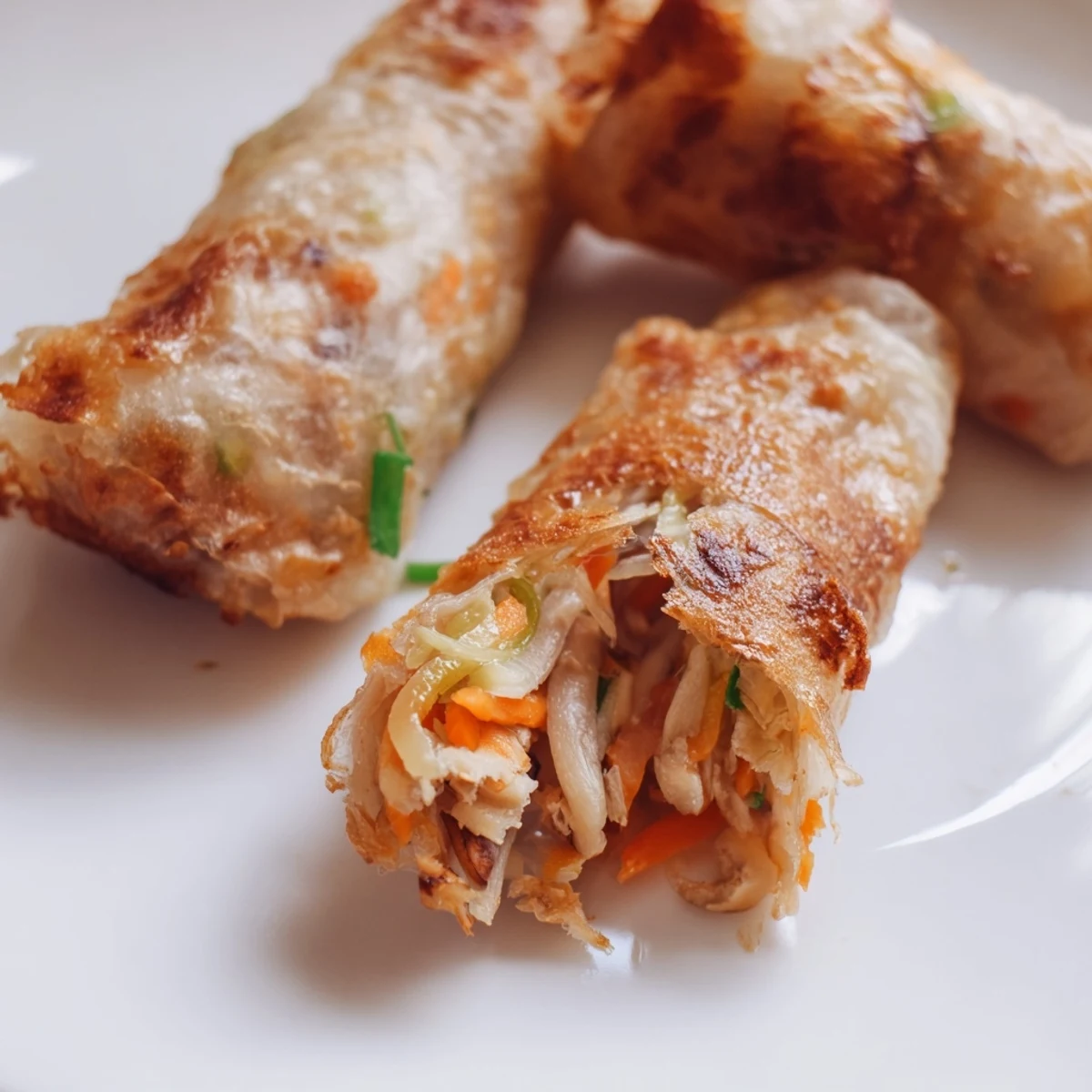
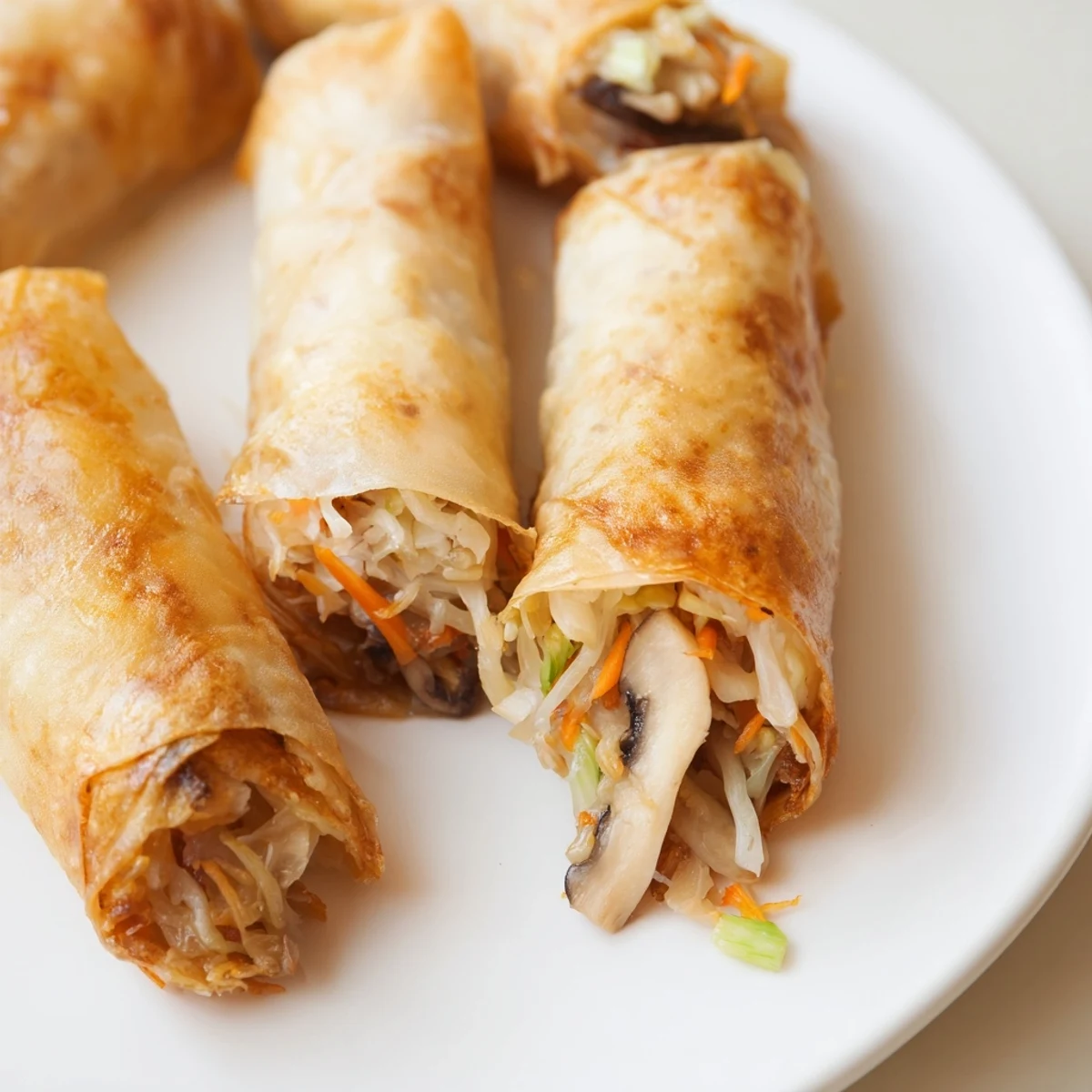
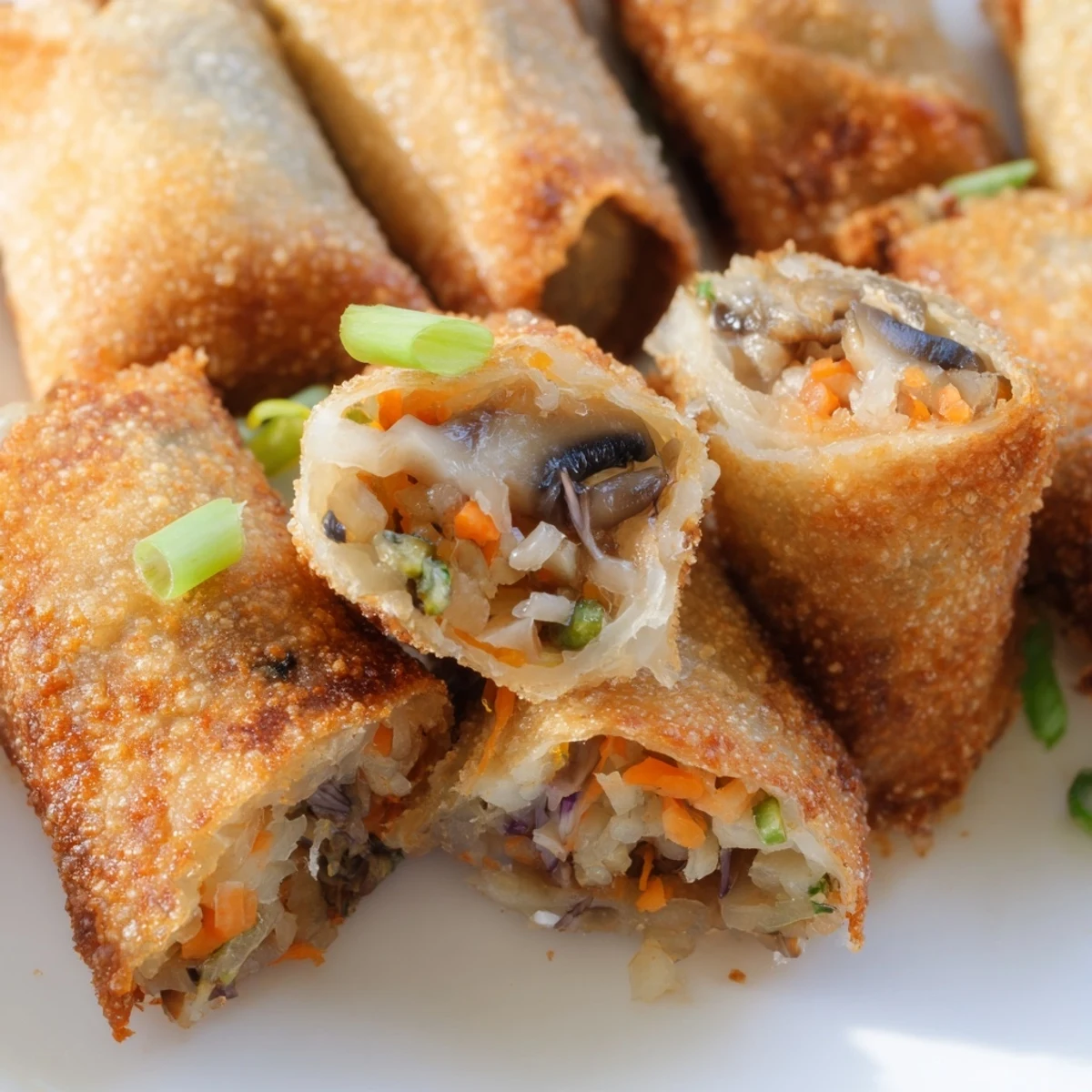
Save These Vietnamese-style rolls feature a delicate rice paper wrapper that transforms into golden crunchiness when fried. The filling combines shredded carrots, cabbage, bean sprouts, and meaty shiitake mushrooms seasoned with garlic, soy sauce, and toasted sesame oil. Each roll delivers satisfying texture contrast—crackling exterior giving way to tender, aromatic vegetables inside.
The preparation involves a quick stir-fry to develop the filling's flavors before wrapping. Working with rice paper requires a brief soak in warm water to achieve the perfect pliable texture. A medium-high heat fry creates that signature crispy shell while keeping the interior moist and flavorful. Serve three rolls per person as a light meal or offer smaller portions as appetizers alongside your favorite dipping sauces.
The first time I attempted rice paper spring rolls, I made every mistake in the book. I soaked the wrappers too long until they dissolved into a gummy mess, then overfilled the next batch until they burst open in the hot oil. My kitchen looked like a disaster zone with rice paper fragments stuck to everything. But that crispy, golden first successful batch made all the frustration worth it.
I made these for my sisters birthday last summer, setting up a little spring roll assembly line on her back patio. We ended up with a dozen guests gathered around the table, everyone trying their hand at rolling while sipping cold drinks and laughing at our misshapen attempts. The ones that actually made it into the frying pan disappeared in minutes, leaving us all smelling like toasted sesame oil and happiness.
Ingredients
- 1 cup shredded carrots: These bring natural sweetness and a gorgeous orange color that looks stunning through the translucent rice paper
- 1 cup shredded cabbage: Use green cabbage for crunch or napa cabbage for a more delicate texture
- 1/2 cup bean sprouts: Add these at the end so they stay crisp and fresh, providing a lovely pop in every bite
- 1/2 cup thinly sliced shiitake mushrooms: Fresh shiitakes have an incredible meaty texture that contrasts beautifully with the vegetables
- 2 green onions, finely chopped: Both the white and green parts add layers of mild onion flavor
- 2 cloves garlic, minced: Sautéing this first releases those aromatic oils that permeate the entire filling
- 1 tablespoon soy sauce: This provides the essential savory depth and umami that ties everything together
- 1 teaspoon toasted sesame oil: A little goes a long way—this is what gives your filling that distinctive Asian flavor
- 1/2 teaspoon freshly ground black pepper: Freshly cracked pepper adds a subtle warmth that balances the vegetables
- 12 rice paper wrappers: Look for 22 cm diameter wrappers at any Asian market or well-stocked grocery store
- Water: Warm water works best for softening—too hot and theyll get sticky, too cold and they wont pliable
- Vegetable oil: Use a neutral oil with a high smoke point like canola or peanut oil for frying
Instructions
- Sauté the aromatics:
- Heat a nonstick skillet over medium heat with a teaspoon of oil, then cook the garlic and green onions for about 1 minute until you can smell their fragrance wafting up
- Cook the vegetables:
- Add the carrots, cabbage, and mushrooms, stir-frying for 3–4 minutes until theyve softened but still retain some texture
- Season the filling:
- Stir in the bean sprouts, soy sauce, sesame oil, and black pepper, cooking for another 2 minutes before transferring to a bowl to cool for 5 minutes
- Soften the rice paper:
- Fill a wide shallow dish with warm water and submerge one wrapper for 10–15 seconds until it bends easily but isnt falling apart
- Roll the spring rolls:
- Place 2–3 tablespoons of filling along the lower third, fold the bottom edge over, tuck in the sides, and roll tightly like a burrito
- Heat the oil:
- In a large skillet or wok, heat 1/2 inch of vegetable oil over medium-high heat until it shimmers and dances slightly
- Fry to golden perfection:
- Cook the spring rolls in batches, starting seam-side down, turning occasionally for 2–3 minutes per side until gorgeously golden brown
- Serve immediately:
- Drain on paper towels and serve hot while theyre still audibly crispy, with your favorite dipping sauce alongside
 Save
Save These became my go-to comfort food during a particularly stressful month at work. Something about the rhythm of preparing the vegetables, the meditation of rolling each one, and then that first hot, crispy bite made everything feel manageable again. Now whenever I make them, that peaceful kitchen moment comes back to me.
Perfecting Your Rolling Technique
The rolling technique took me forever to master, but heres what finally clicked. Keep your work surface slightly damp so the rice paper doesnt stick, and place the filling closer to the bottom edge than you think you should. A tight roll is crucial—any air pockets will fill with hot oil during frying, making the spring roll greasy and potentially causing the wrapper to burst. Use gentle but firm pressure, almost like youre tucking someone into bed.
Oil Temperature Secrets
I used to struggle with getting spring rolls that were crispy outside but fully cooked inside. The secret is maintaining your oil at around 350°F—if you dont have a thermometer, drop a small piece of rice paper in the oil. When it immediately sizzles and rises to the surface surrounded by eager bubbles, youre ready to fry. The oil should be busy but not violently bubbling, which means its too hot and will burn the wrapper before the filling heats through.
Make-Ahead Mastery
You can absolutely prepare these ahead of time, which makes them perfect for entertaining. Cook and cool the filling completely, then store it in an airtight container in the refrigerator for up to two days. Uncooked spring rolls can be wrapped individually in plastic wrap and frozen for up to a month—just fry them straight from frozen, adding a couple extra minutes to the cooking time.
- Place uncooked spring rolls in a single layer on a baking sheet lined with parchment paper before freezing
- Once frozen solid, transfer them to a freezer bag so they dont stick together
- Always let fried spring rolls drain on a wire rack instead of paper towels for maximum crispiness
 Save
Save Theres something deeply satisfying about making something so delicious from such humble ingredients. Hope these bring as much crunch and joy to your table as they have to mine.
Common Recipe Questions
- → How do I prevent rice paper from tearing during wrapping?
-
Soak wrappers just until pliable (10-15 seconds)—oversoaking makes them fragile. Work on a damp towel surface and handle gently. Fill and roll immediately while wrapper remains flexible but not sticky.
- → Can I make these ahead of time?
-
Prepare filling up to 24 hours in advance and refrigerate. Wrap rolls just before frying for best texture. Unfried rolls can be refrigerated for 4-6 hours layered between parchment paper, though they may become slightly sticky.
- → What's the best oil temperature for frying?
-
Heat oil to 350-375°F (175-190°C). Test by dipping a wooden chopstick—if bubbles form steadily around it, oil is ready. Too hot burns the wrapper before filling heats through; too cool makes them greasy.
- → Can I air-fry instead of deep-frying?
-
Yes—brush rolls lightly with oil and air-fry at 375°F for 12-15 minutes, turning halfway. They'll be less crispy than deep-fried but still delicious with significantly less oil.
- → What dipping sauces pair well?
-
Nuoc cham (fish sauce condiment) creates authentic flavor. Sweet chili sauce offers contrast. Peanut sauce adds richness. A simple mix of soy sauce, rice vinegar, and chili flakes works beautifully too.