
 Save
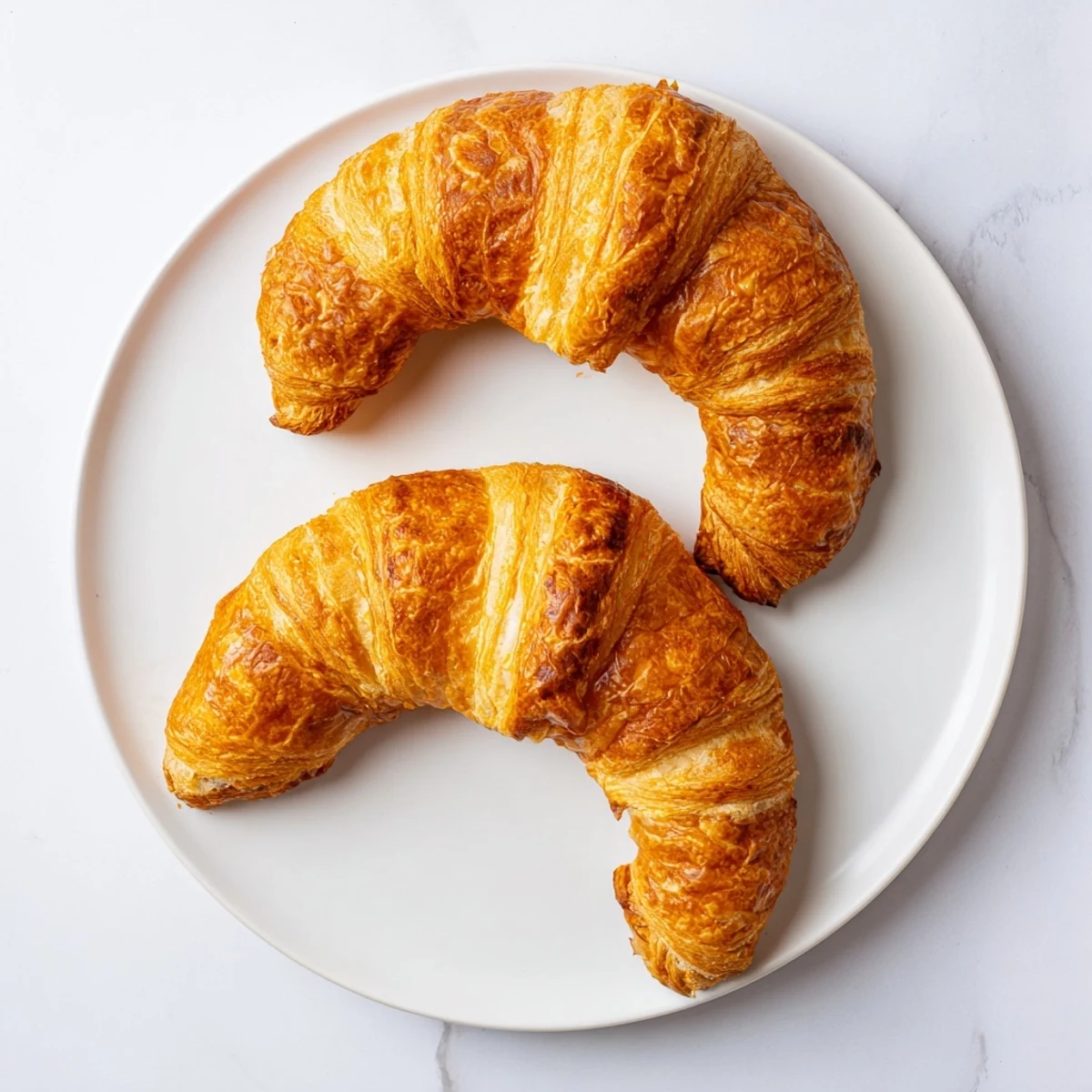
Save Create bakery-worthy laminated pastry completely free from gluten. This classic French technique delivers crescents with irresistibly flaky layers and rich buttery flavor. The dough combines specialty flour blend with yeast for structure, while repeated folding creates those signature delicate layers.
Though the process takes time—multiple chilling periods prevent the butter from melting into the dough—the result is worth every minute. These golden crescents rise beautifully, developing that coveted shattering crust and tender interior.
Perfect warm from the oven, they accommodate dairy-free modifications while maintaining exceptional texture. Ideal for weekend breakfasts or elegant brunch spreads.
The bakery around the corner from my old apartment made these impossibly flaky croissants that taunted me every Sunday morning. After my celiac diagnosis, I mourned those buttery layers for months until one rainy weekend I decided gluten-free flour blends had evolved enough to attempt the impossible. Three failed batches later, my kitchen smelled like a French bakery and I was crying into the most perfect pastry I had made in years. Now these are a weekend ritual, proving that dietary restrictions do not mean sacrificing joy.
My sister visited last spring and walked in while I was mid-lamination, flour dusted across every surface and butter somehow in my hair. She watched me fold and roll with the concentration of a surgeon, then helped brush the final batch with egg wash. We ate them warm from the oven with apricot jam she had brought from her trip to Provence, talking for hours as the golden layers melted on our tongues. Those croissants turned a regular Saturday into something sacred.
Ingredients
- Gluten-free all-purpose flour: Use a blend with xanthan gum already added, it provides the structure gluten usually gives and prevents crumbling
- Instant dry yeast: This dissolves directly into the dough without proofing first, making the process more forgiving
- Unsalted butter: High quality butter matters here since the flavor shines through, keep some cold and some softened as specified
- Warm milk: Should feel like bath temperature, too hot and it kills the yeast, too cold and the dough will not rise properly
- Eggs: Room temperature eggs incorporate better into the dough and help create that rich, golden color we want
Instructions
- Mix your foundation:
- Combine flour, sugar, salt, and yeast in a large bowl, then whisk the warm milk and egg before pouring into the dry ingredients until a soft dough forms
- Add richness:
- Beat in the softened butter until fully incorporated, then cover and refrigerate for an hour to let the dough relax
- Prepare the butter block:
- Place cold butter between parchment and pound it into a 5 x 7 inch rectangle, then chill until firm but still pliable
- First fold:
- Roll the dough into a 10 x 14 inch rectangle, place the butter in the center, fold dough over to encase it, then roll out and fold into thirds like a letter
- Chill and repeat:
- Wrap the dough and chill for 30 minutes, then repeat the rolling and folding process two more times for a total of three folds
- Shape your croissants:
- Roll the dough into a 12 x 16 inch rectangle, cut into 8 triangles, and roll each from the wide end to create that classic crescent shape
- Proof to perfection:
- Let the croissants rise in a warm place for about 2 hours until puffy, watching them grow with a patience you did not know you had
- Bake until golden:
- Brush with egg yolk mixed with milk, then bake at 400°F for 18 to 20 minutes until they are deeply golden and your kitchen smells like heaven
 Save
Save Last Christmas morning I made these for my family, who were skeptical anything gluten-free could taste this good. My dad took one bite, eyes wide, and asked if I was sure these were safe for me to eat. We spent the rest of the morning pulling apart warm layers, slathering them with salted butter, and celebrating how food can bring us together regardless of ingredients.
Working With Gluten-Free Dough
Gluten-free pastry dough behaves differently than wheat dough, it tears more easily and warms up faster. Keep parchment paper handy and do not be afraid to patch small tears with a bit of water and your fingertips. The xanthan gum in the flour blend does the heavy lifting for elasticity, but it needs time to activate during chilling.
Understanding Lamination
The magic of croissants lies in the lamination process, creating hundreds of alternating layers of butter and dough. Each fold multiplies the layers, so by the third fold you have created something incredible. The steam from the butter during baking is what creates that signature puff and flake.
Making Them Your Own
Once you master the plain croissant, the variations are endless and exciting. You can fill them with almond paste, chocolate, or ham and cheese before rolling. The dough freezes beautifully between folds, so you can make a double batch and have fresh croissants any weekend morning.
- Try brushing the finished croissants with simple syrup mixed with vanilla extract while they are still warm
- Add a tablespoon of orange zest to the dough for a subtle citrus brightness
- Experiment with different flours, like adding some buckwheat for a nuttier flavor
 Save
Save These croissants taught me that good things take time, patience, and a willingness to fail forward. May your kitchen smell like butter and triumph.
Common Recipe Questions
- → What flour blend works best for laminating?
-
A gluten-free all-purpose flour containing xanthan gum performs exceptionally well. The xanthan provides necessary elasticity and structure for rolling and folding. Cup-for-cup blends designed for baking yield the most consistent results.
- → Can I make these dairy-free?
-
Absolutely. Substitute cold plant-based butter sticks for the butter layer and use your preferred non-dairy milk. The lamination process remains the same, though some vegan butters may soften faster, so keep everything thoroughly chilled.
- → Why is chilling time so important?
-
Keeping both dough and butter cold prevents them from merging during rolling. Those distinct butter layers create steam pockets during baking, resulting in flaky separation. If the butter melts into the dough, you'll lose the signature texture.
- → How should I store finished croissants?
-
These taste best within 6-8 hours of baking. For longer storage, freeze individually wrapped and reheat at 350°F for 5-7 minutes. The freezer preserves texture much better than refrigeration, which can make them stale quickly.
- → What causes uneven rising?
-
Inconsistent dough thickness during shaping leads to uneven baking. Roll uniformly and use a ruler for precise triangle cutting. Also ensure your yeast is fresh and the proofing area is draft-free for consistent lift.
- → Can I reduce the preparation time?
-
Rushing the chilling stages compromises texture. However, you can complete all three fold rotations consecutively with proper chilling between each, then freeze the dough overnight to continue shaping the next day.