
 Save
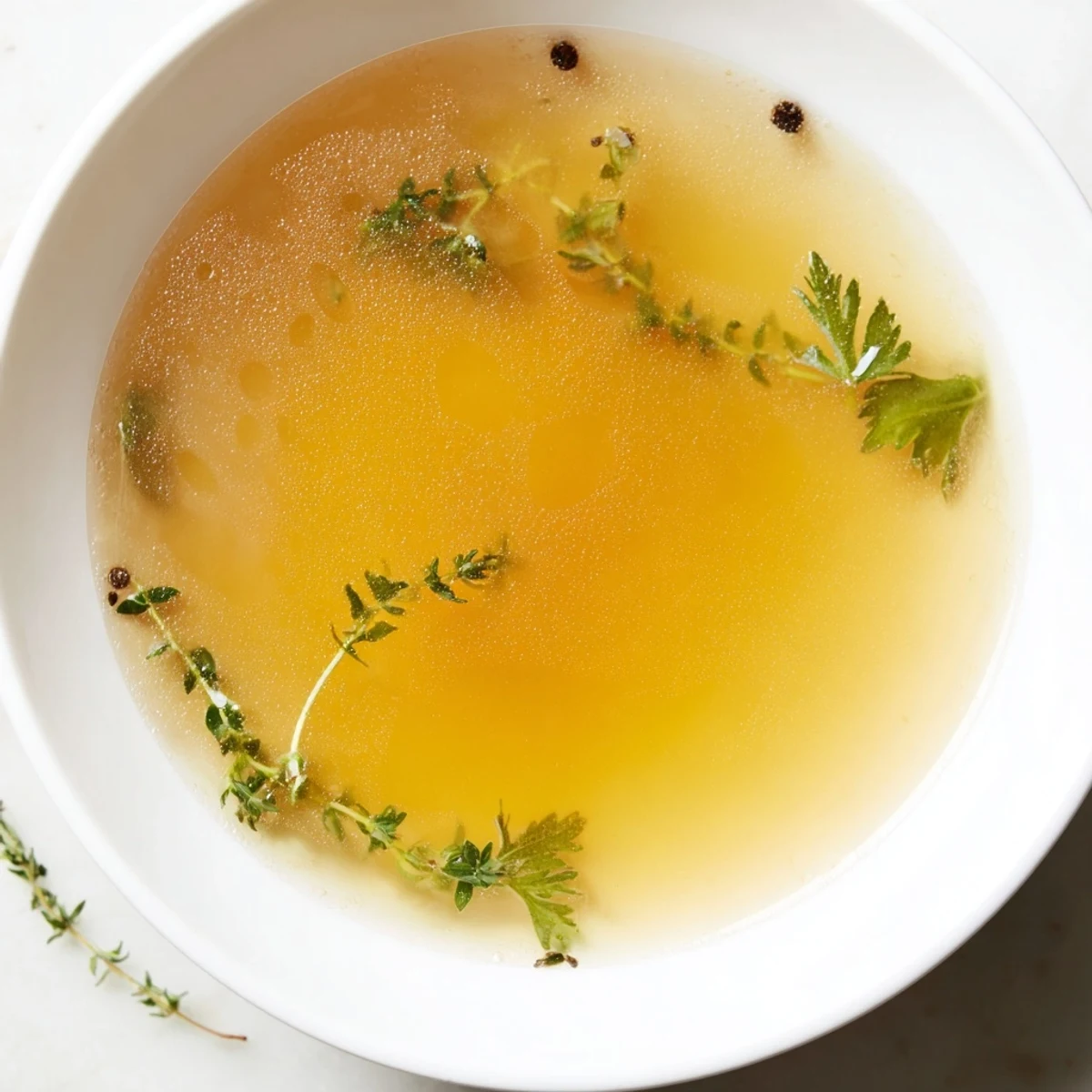
Save This homemade vegetable broth combines fresh carrots, celery, onion, leek, and parsnip with fragrant parsley, thyme, and bay leaves to create a nutrient-packed base. Simmered gently for one hour, the broth captures the essence of each ingredient and can be used to enrich soups, risottos, or sipped as a comforting warm drink. Optional ingredients like garlic, dill, and peppercorns add layers of flavor, while straining removes solids for a clear, bright liquid. Variations include roasting vegetables beforehand or adding umami boosts like dried kombu. This easy, vegan, and gluten-free broth yields about 2 liters and stores well refrigerated or frozen.
There's something almost meditative about making vegetable broth on a quiet morning, watching the pot gradually fill with golden warmth while the kitchen fills with the scent of carrots, celery, and fresh herbs. I discovered years ago that the simplest broths often taste the best, and this one has become my go-to whenever I need a clean, nourishing base for whatever comes next. What started as an economical way to use vegetable scraps became something I actually crave—warm, fragrant, and impossibly comforting.
I remember making this for my sister during one of those winters where she wasn't feeling well, and watching her expression shift when she tasted it—not restaurant-fancy, just genuine and nourishing. That's when I realized broth isn't just a cooking ingredient; it's something that carries care in every spoonful.
Ingredients
- Carrots (2 large, roughly chopped): The sweetness anchor that balances earthier vegetables and builds the broth's golden color over time.
- Celery stalks (2, roughly chopped): Essential for that classic broth flavor, though it can easily be omitted if you have allergies and replaced with fennel for brightness.
- Onion (1 large, quartered): The aromatic backbone that deepens as it simmers, creating layers of savory flavor.
- Leek (1, cleaned and sliced): Milder and sweeter than onion, it adds a subtle sophistication that most people can't quite name.
- Parsnip or turnip (1, roughly chopped): Choose based on mood—parsnip brings sweetness, turnip adds earthiness and character.
- Garlic (4 cloves, smashed): Just enough to whisper in the background, not overpower; smashing releases the fragrance without harshness.
- Potato (1 small, optional): If you want a broth with more body and creaminess when sipped or used in soups, this quietly does the work.
- Fresh parsley (1 small bunch): Brightens everything and can be added toward the end if you want more fresh herbaceousness.
- Fresh thyme (5 sprigs): The workhorse herb that brings earthy, almost pine-like notes without requiring much thought.
- Bay leaves (2): These humble leaves add complexity that feels effortless.
- Fresh dill (1 small bunch, optional): For when you want the broth to feel lighter and summery, though it's not essential.
- Black peppercorns (10 whole): Whole seeds stay in control and release flavor gradually rather than turning bitter.
- Sea salt (1 teaspoon): Start here and taste at the end; you'll almost always want a touch more.
- Coriander seeds (1 teaspoon, optional): A small but meaningful addition if you love subtle spice warmth underneath everything.
- Cold water (2 liters/8 cups): Starting cold helps vegetables release their essence slowly and thoroughly.
Instructions
- Gather and prepare everything:
- Wash each vegetable thoroughly and chop as indicated—rough pieces are your friend here since everything will be strained out. This is a perfect moment to feel organized before the cooking begins.
- Build your pot:
- Add vegetables, herbs, peppercorns, coriander seeds, and bay leaves to your stockpot in whatever order feels natural. The arrangement doesn't matter; they're about to become friends in simmering water.
- Add water and heat gently:
- Pour in cold water and bring everything to a gentle boil over medium-high heat, watching as the liquid gradually warms and begins to move. You'll notice tiny foam forming on the surface—that's completely normal.
- Simmer with patience:
- Lower the heat to create a gentle, barely-bubbling simmer that will continue for a full hour. Occasionally skim away any foam that rises, which keeps the broth clear and refined.
- Cool and strain:
- Once the hour is up, turn off the heat and let everything settle for a few minutes before carefully pouring the broth through a fine mesh sieve or cheesecloth into a bowl or fresh pot, leaving behind all the solid vegetables. Take your time with this step—rushing doesn't help anything.
- Taste and adjust:
- Once strained, taste the broth and season with a pinch more salt or a grind of pepper if it needs it. Some days it'll taste perfect as-is; other days your palate wants a little more definition.
- Store or use:
- Use the broth immediately while warm, or cool it completely before refrigerating for up to five days or freezing for three months. Cold broth will be gelatinous if you added that optional potato, which is a sign everything worked beautifully.
 Save
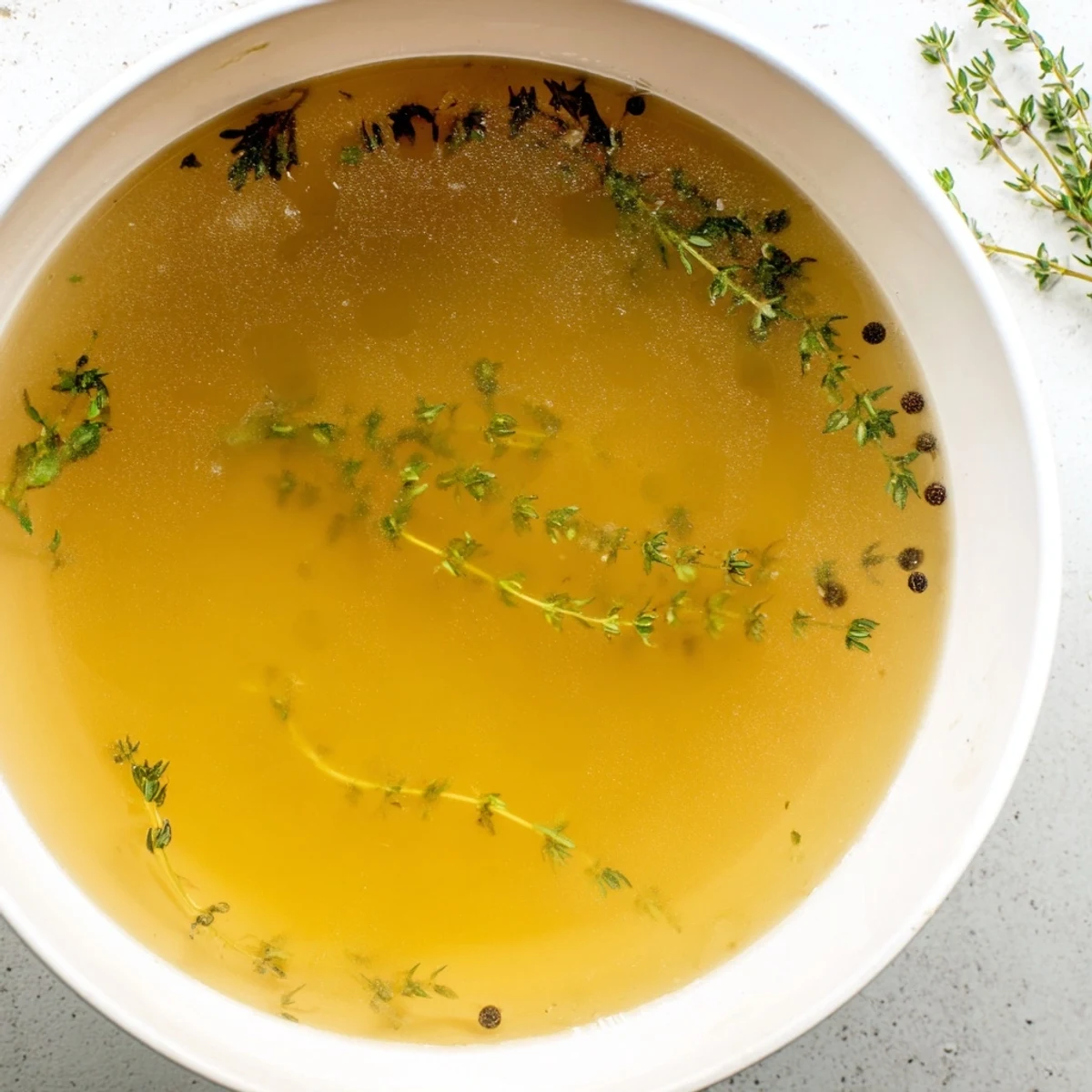
Save The best moment with this broth comes on a cold evening when you simply pour a cup, add nothing else, and sit with it—realizing that something so simple can be so satisfying. That's when you understand why people have been making broths for thousands of years.
Making It Your Own
Once you've made this basic version a few times, you'll naturally start improvising based on what's in your kitchen or what you're in the mood for. I've added mushrooms, adjusted the herb balance, and even tried roasted garlic cloves left whole for a sweeter finish. The beauty of vegetable broth is that it's forgiving and collaborative—your kitchen, your preferences, your flavor profile.
Using Your Broth
This broth transforms into something even more delicious when used as a foundation for soups, risottos, or grain dishes where it can slowly blend with other ingredients and build something greater. But on mornings when you need comfort more than complexity, a simple cup of warm broth with a pinch of salt and a crack of pepper is medicine in its purest form.
Storage and Sustainability
One of my favorite aspects of making broth is knowing I've used nearly every part of the vegetables—nothing wasted, everything honoring the work that went into growing them. You can make this with vegetable scraps if you'd like (clean trimmings saved throughout the week), though starting with whole vegetables gives you more control over the final flavor.
- Frozen broth in ice cube trays becomes individual portions ready for quick cooking anytime.
- If you notice a thin layer of fat on top after refrigerating, it actually protects the broth underneath and keeps it fresher longer.
- Label your containers with the date so you remember to use them within the proper timeframe.
 Save
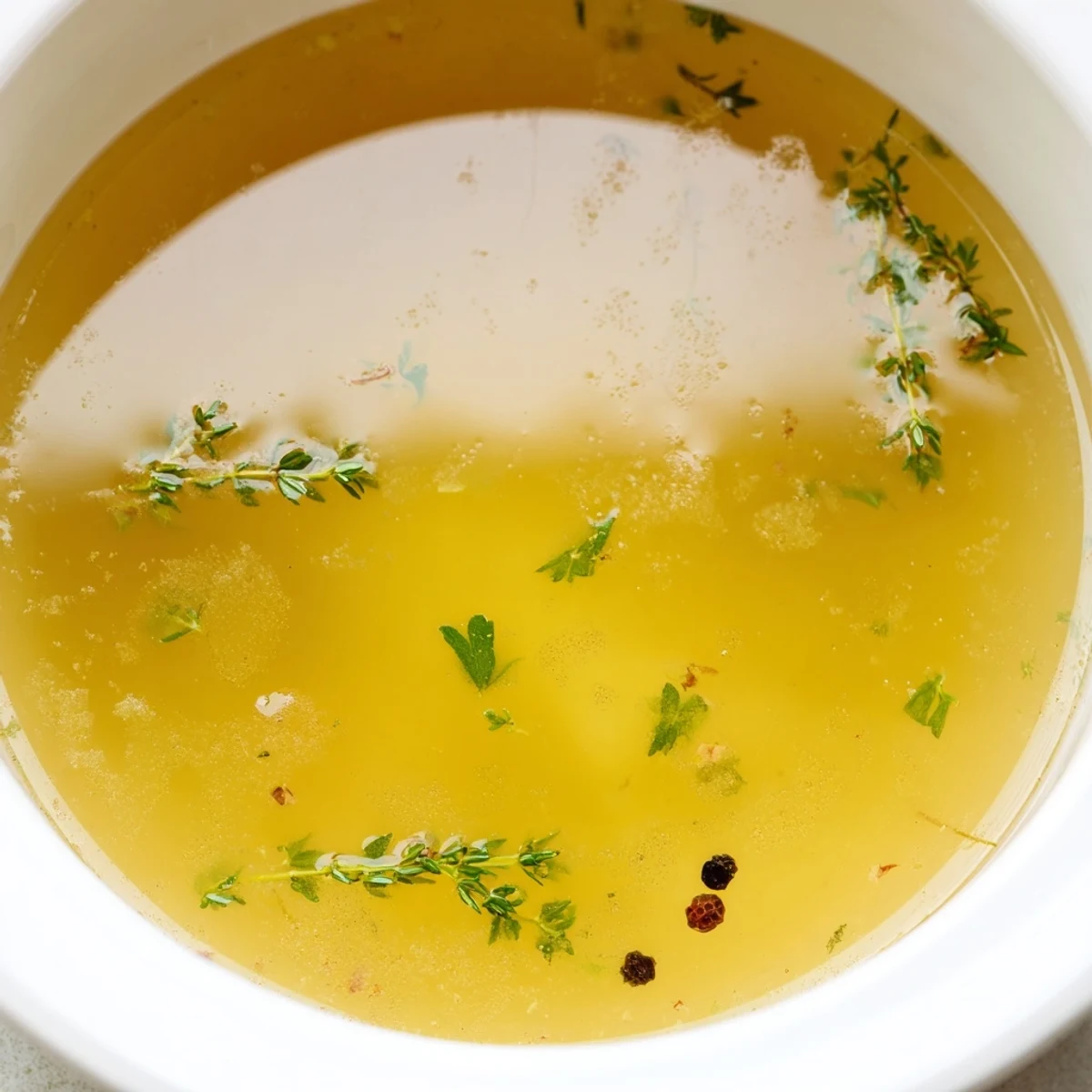
Save Making your own vegetable broth connects you to centuries of kitchen wisdom and reminds you that the most nourishing things are often the simplest. Once you taste the difference it makes, you'll never go back.
Common Recipe Questions
- → What vegetables are best for a rich broth?
-
Carrots, celery, onion, leek, and parsnip create a balanced depth of flavor and nutrients in the broth.
- → How long should the broth simmer?
-
Simmer gently for about one hour to extract full flavors without overcooking the vegetables.
- → Can I add herbs for extra aroma?
-
Fresh parsley, thyme, bay leaves, and optional dill enhance the fragrant quality of the broth.
- → How do I store leftover broth safely?
-
Cool completely, then refrigerate up to five days or freeze for up to three months in airtight containers.
- → Is roasting vegetables beforehand beneficial?
-
Roasting at 400°F for 30 minutes before simmering deepens flavor and adds subtle sweetness.
- → What tools are needed to prepare this broth?
-
A large stockpot, chef's knife, cutting board, and a fine mesh sieve or cheesecloth for straining are essential.