
 Save
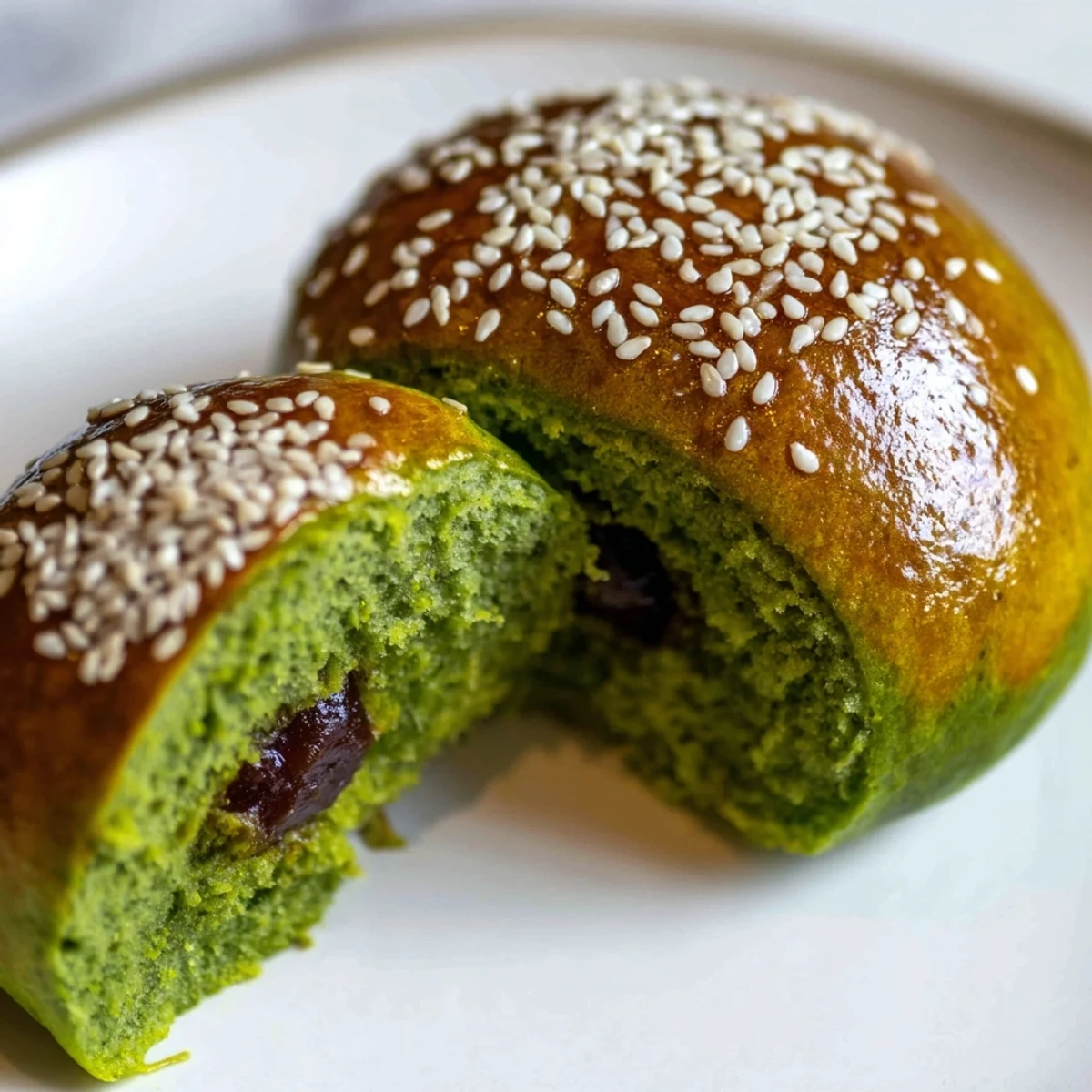
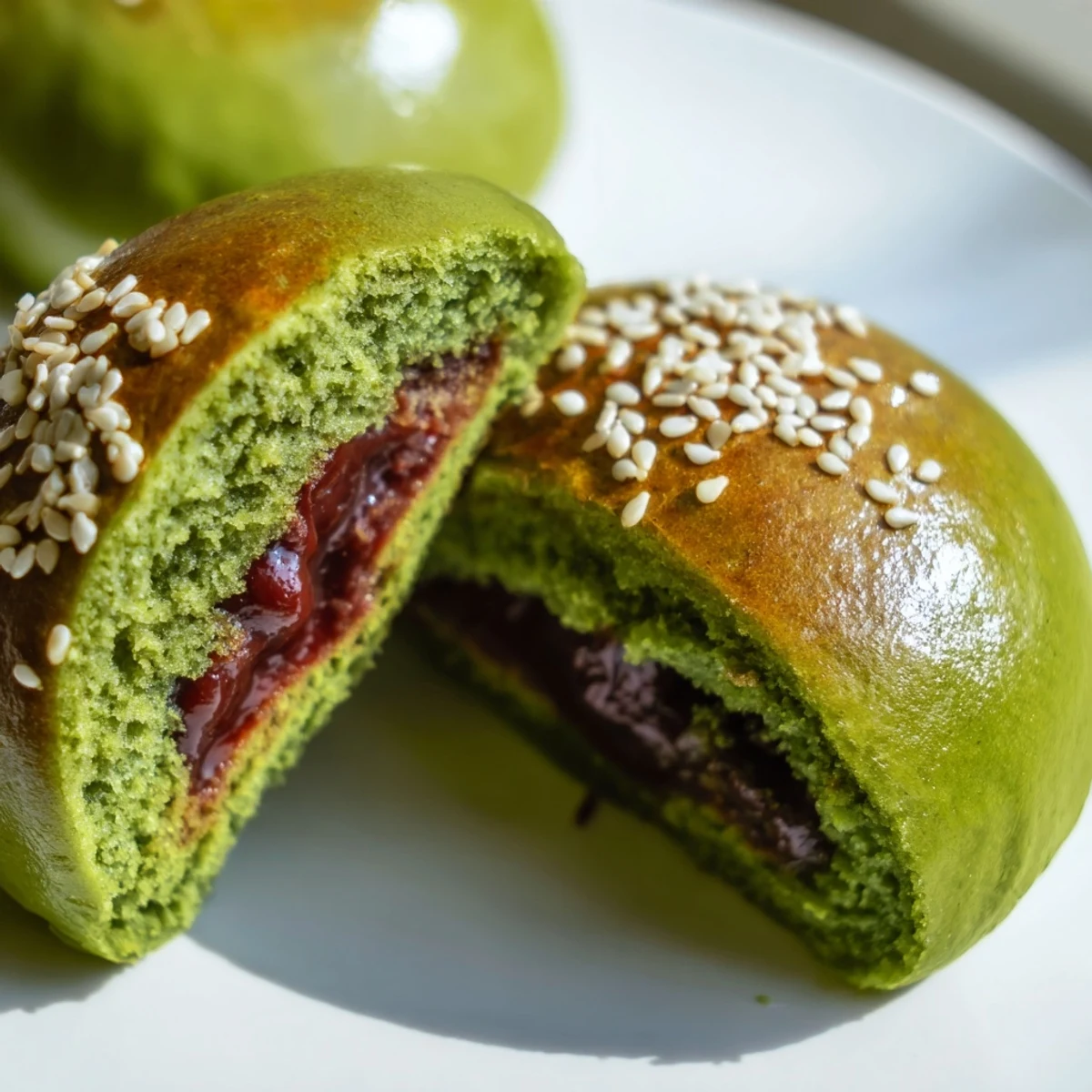
Save These matcha red bean buns offer a perfect blend of Japanese flavors, featuring tender, aromatic dough infused with premium matcha powder. The earthy notes of green tea beautifully complement the sweet, creamy red bean paste center. Each bun requires careful kneading to achieve that signature pillowy texture, followed by two rising periods to develop lightness. The final egg wash creates a golden, glossy finish that makes these treats irresistible.
The smell of matcha hitting warm dough takes me back to a tiny bakery in Kyoto where I watched an elderly woman fold green tea into bread with the kind of patience most of us reserve for breathing. I burned my first attempt badly, turning the buns into something closer to charcoal than pastry, but the second try revealed why this combination works so well. The earthy bitterness cuts through the sweet red bean filling like a knife through silk.
My roommate walked in while I was proofing the dough and asked why I was baking what looked like green tennis balls. By the time they came out of the oven, she was sitting on the counter watching them rise through the oven door glass. We ate three warm buns straight from the baking sheet, burning our fingers and not caring one bit.
Ingredients
- Bread flour: The higher protein content here is what creates that signature bounce and structure that all purpose flour just cannot deliver
- Matcha powder: Sift this twice or accept that you will find tiny green clumps in your final crumb
- Instant yeast: No need to proof it first just dump it in with your dry ingredients and trust the process
- Whole milk: The fat here matters for tenderness though I have accidentally used almond milk in a pinch and lived to tell the tale
- Unsalted butter: Softened to room temperature means you can make an indentation with your finger but it should not be melting or greasy
- Sweetened red bean paste: Homemade or store bought both work though the homemade version has a texture that sings a bit differently
Instructions
- Mix your dry foundation:
- Whisk flour matcha sugar yeast and salt together until everything looks evenly distributed and you cannot see any distinct pockets of green powder
- Bring the dough together:
- Pour in the warm milk and crack in the egg then stir with a wooden spoon until you have something that looks like a shaggy messy heap that cannot decide if it wants to be bread or batter
- Knead until your arms question their life choices:
- Work in the softened butter piece by piece then keep kneading for about ten minutes until the dough transforms from sticky chaos into something smooth elastic and slightly tacky but not clinging to your hands
- Let it rise:
- Shape into a ball drop it into a greased bowl cover it with a warm damp towel and walk away for an hour until it has doubled into something that looks almost alive
- Shape and fill:
- Punch down the risen dough divide it into twelve equal portions then flatten each into a disc spoon red bean paste into the center and pinch the edges together like you are sealing a secret inside
- Second rise and bake:
- Arrange the sealed buns on a lined baking sheet cover loosely and let them puff up for another forty minutes then brush with egg wash and bake at 350F until they turn that impossible shade of golden green
 Save
Save These became my go to contribution to potlucks after the time someone asked if I could bring something that was not chocolate. I showed up with a box of these green speckled buns and watched three people sheepishly admit they had never tried red bean anything before. By the end of the night the box was empty and someone was asking for the recipe.
Matcha Quality Matters
Culinary grade matcha is perfectly fine here but the really cheap stuff will give your buns a brownish green tint and a flavor that tastes more like grass clippings than tea. You do not need ceremonial grade but spring for something from a Japanese brand if you can find it.
Filling Variations
Red bean paste is traditional but I have experimented with black sesame paste chestnut cream and even straight up custard when I was feeling reckless. The matcha dough plays nice with almost anything sweet and creamy.
Storage And Reheating
These keep for about two days in an airtight container though the texture will never be quite as miraculous as that first day. A quick ten second zap in the microwave brings back most of the softness and makes the filling taste like it just came out of the oven again.
- Freeze unbaked buns after shaping and let them thaw overnight in the refrigerator before the second rise
- If your egg wash gets too thick add another drop of milk to make it brushable
- The buns are done when the bottoms sound hollow when tapped
 Save
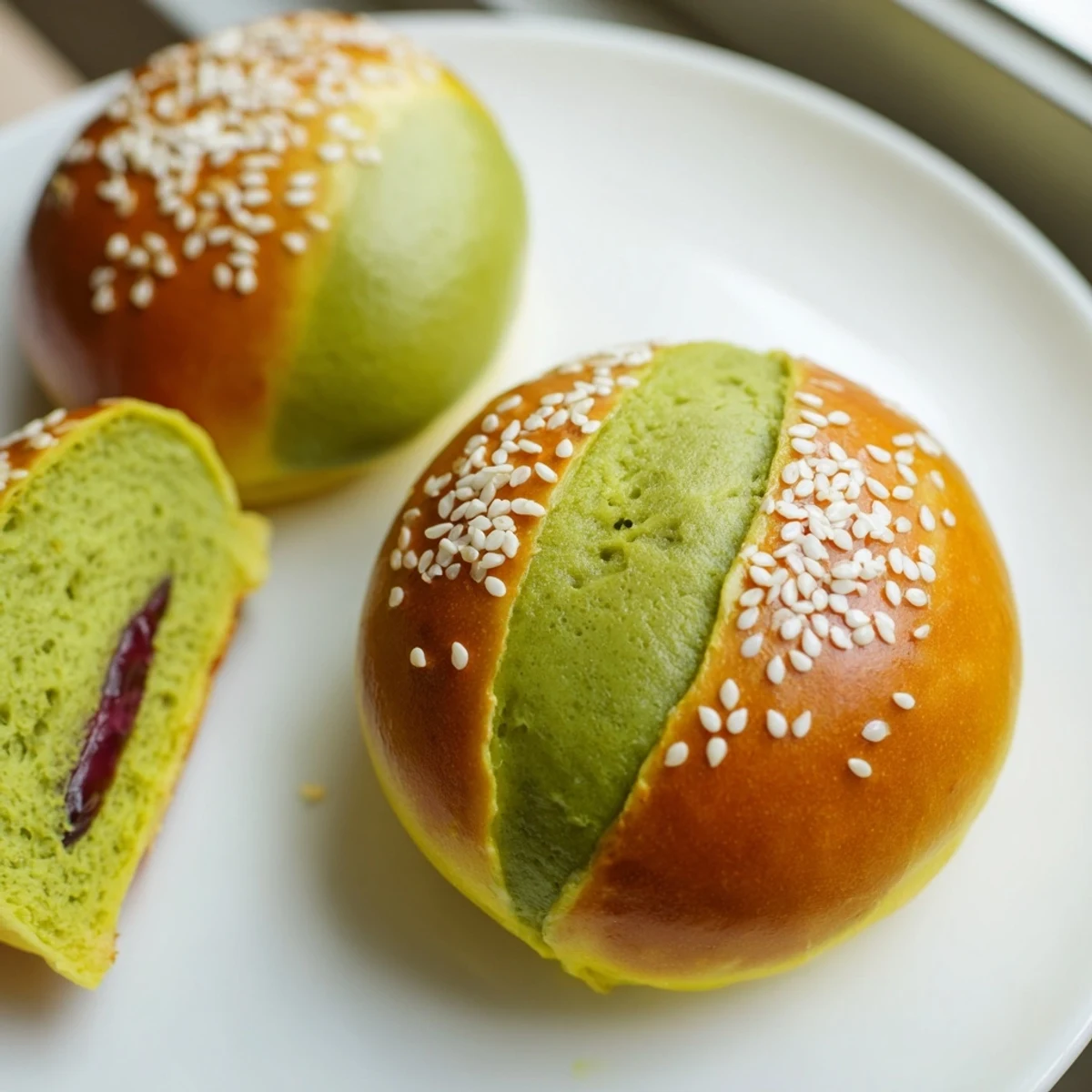
Save There is something profoundly satisfying about biting into a bun you shaped by hand and finding that hidden pocket of sweet red bean inside. Hope these become part of your baking rotation too.
Common Recipe Questions
- → What makes these buns so soft and fluffy?
-
The combination of bread flour, proper kneading to develop gluten, and two rising periods creates that signature pillowy texture. The addition of butter and whole milk adds richness while keeping the crumb tender and light.
- → Can I make the red bean paste from scratch?
-
Absolutely. Homemade anko requires dried adzuki beans simmered until soft, then mashed and sweetened with sugar. This allows you to control sweetness levels and avoid preservatives found in store-bought versions.
- → How do I know when the dough has risen enough?
-
The dough is ready when it has doubled in size and a finger pressed into the surface leaves an indentation that slowly springs back. This usually takes about 1 hour in a warm, draft-free spot.
- → Can I freeze these buns for later?
-
Yes, wrap cooled buns individually in plastic wrap and freeze for up to 2 months. Thaw at room temperature, then briefly reheat in the oven or microwave to restore softness.
- → What can I use instead of matcha powder?
-
Hojicha powder provides a roasted tea flavor alternative. For a different twist, try cocoa powder for chocolate buns, or omit the powder entirely for classic plain buns filled with red bean paste.
- → Why did my buns come out dense?
-
Dense buns usually result from under-kneading, which doesn't develop enough gluten structure, or over-proofing, which causes the dough to collapse. Ensure proper kneading time and watch the rising process carefully.