
 Save
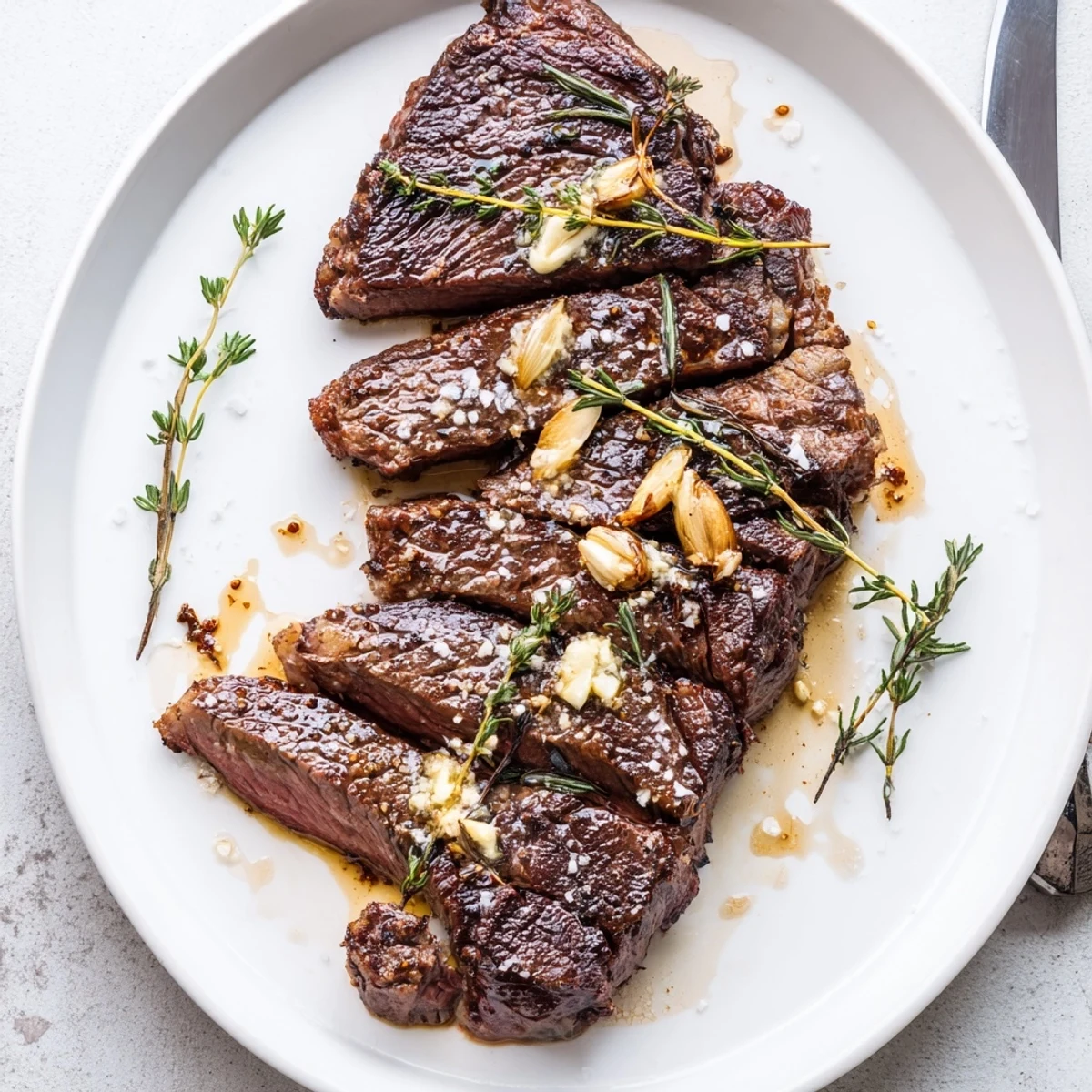
Save This cast iron ribeye delivers restaurant-quality results with minimal effort. The high-heat sear creates a deep caramelized crust while basting with garlic, butter, and fresh herbs infuses every bite with rich flavor. Perfect for dinner parties or weeknight indulgence, this method guarantees juicy, tender steak cooked to your exact preference.
My dad taught me that a great steak needs just two things: high heat and patience. I'd watch him season those ribeyes so simply, then listen to them hit the cast iron with that satisfying sizzle that makes the whole kitchen smell like a restaurant. The garlic butter finish was always his secret weapon, turning a good piece of meat into something unforgettable. Now whenever I make these, I think of those Sunday nights standing beside him, learning that the best cooking is often the most uncomplicated.
Last Valentine's Day, I decided to cook these for my partner instead of dealing with crowded restaurants and prix fixe menus. The whole apartment filled with the smell of searing meat and butter, candles flickering on the counter while I hovered over the pan like my life depended on getting that crust right. We ended up eating at the kitchen counter, steak juice dripping down our chins, laughing about how we'd never go out for steak again. Sometimes the best dates happen when you're just two people, good food, and a really hot pan.
Ingredients
- 2 ribeye steaks (12 oz each, 1-1.5 inches thick): Thick cuts mean you can get that gorgeous crust outside while keeping the inside perfectly pink and juicy
- 1 ½ teaspoons kosher salt: The coarse grains cling better to the meat and give you that perfectly seasoned exterior without oversalting
- 1 teaspoon freshly ground black pepper: Fresh cracked pepper makes such a difference here, adding little spicy bites that cut through the rich butter
- 3 tablespoons unsalted butter: Unsalted lets you control the seasoning, and it melts into this basting liquid that's essentially liquid gold
- 3 cloves garlic, crushed: Crushing releases more flavor than mincing, infusing the butter with that mellow roasted garlic taste
- 2 sprigs fresh thyme and 1 sprig rosemary: These woody herbs hold up to the high heat and release their oils into the butter as it melts
- 1 tablespoon olive oil: Higher smoke point than butter, so it handles the initial searing without burning
- Flaky sea salt: That finishing touch adds these little bursts of saltiness that make each bite exciting
Instructions
- Bring the steaks to room temperature:
- Pull them out of the fridge about 30 minutes before cooking and pat them completely dry with paper towels. This step is crucial because cold meat doesn't cook evenly, and any surface moisture will steam instead of sear.
- Season generously:
- Sprinkle the salt and pepper over both sides of the steaks, pressing it gently into the meat so it adheres. Don't be shy with the seasoning here—you want a thorough coating that will create that flavorful crust.
- Get your pan screaming hot:
- Heat that cast iron skillet over high heat for about 3-5 minutes until it's radiating heat. You should be able to feel the warmth when you hover your hand above it—that's when you know it's ready.
- Sear to perfection:
- Add the olive oil, swirl to coat the bottom, then place those steaks in the pan. Let them sear without moving for 2-3 minutes until a deep, dark brown crust forms. That's where all the flavor lives.
- Flip and baste:
- Turn the steaks over and immediately toss in the butter, garlic, and herbs. As the butter melts, tilt the pan slightly and spoon that aromatic, garlic-infused butter over the steaks continuously for 2-3 minutes.
- Rest like you mean it:
- Move the steaks to a plate and tent them loosely with foil for 5 minutes. This gives the juices time to redistribute throughout the meat instead of running all over your cutting board.
- Finish and serve:
- Slice against the grain and spoon any remaining garlic butter from the pan over the top. A sprinkle of flaky sea salt right before serving makes everything pop.
 Save
Save There's something almost meditative about standing over a sizzling pan, spooning butter over a perfectly searing steak. My friend Sarah watched me do this once and said it looked like I was conducting a symphony, and honestly, that's exactly how it feels. The rhythm, the smells, knowing that in just a few minutes you'll have created something that makes people close their eyes and savor every bite. That's the kind of cooking that sticks with you.
Choosing the Right Steak
I've learned that marbling is everything when it comes to ribeye. Those white flecks of fat throughout the meat render down as it cooks, keeping the steak incredibly moist and adding so much flavor. I always ask the butcher to show me the marbling before I buy, and I'm never shy about asking for the thickest cuts they have.
The Basting Technique
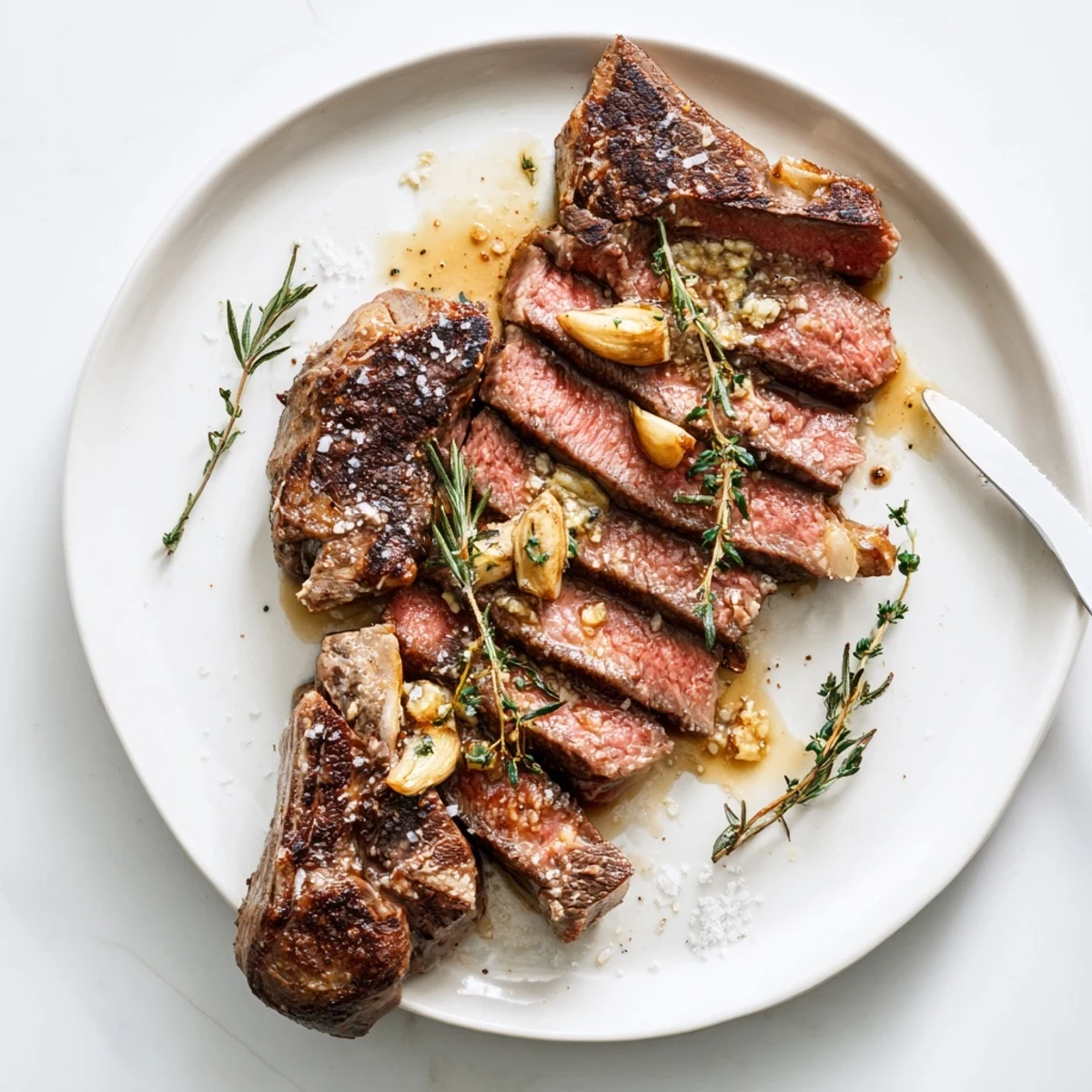
That spooning motion might feel fancy, but it's actually doing serious work. By tilting the pan and repeatedly pouring that butter over the top, you're essentially shallow-frying the upper side of the steak while it sears below. The garlic and herbs infuse the butter, which then penetrates the meat and creates this incredible aromatic crust that you can't get any other way.
Temperature Guide
Everyone has their preference, but I've found that most people actually prefer medium-rare (125°F/52°C) even if they think they want it more cooked. The steak continues cooking as it rests, so pull it a few degrees before your target. Here's what I tell people:
- 120°F for rare, still cool in the very center
- 130°F for medium-rare, warm red center
- 140°F for medium, warm pink center
 Save
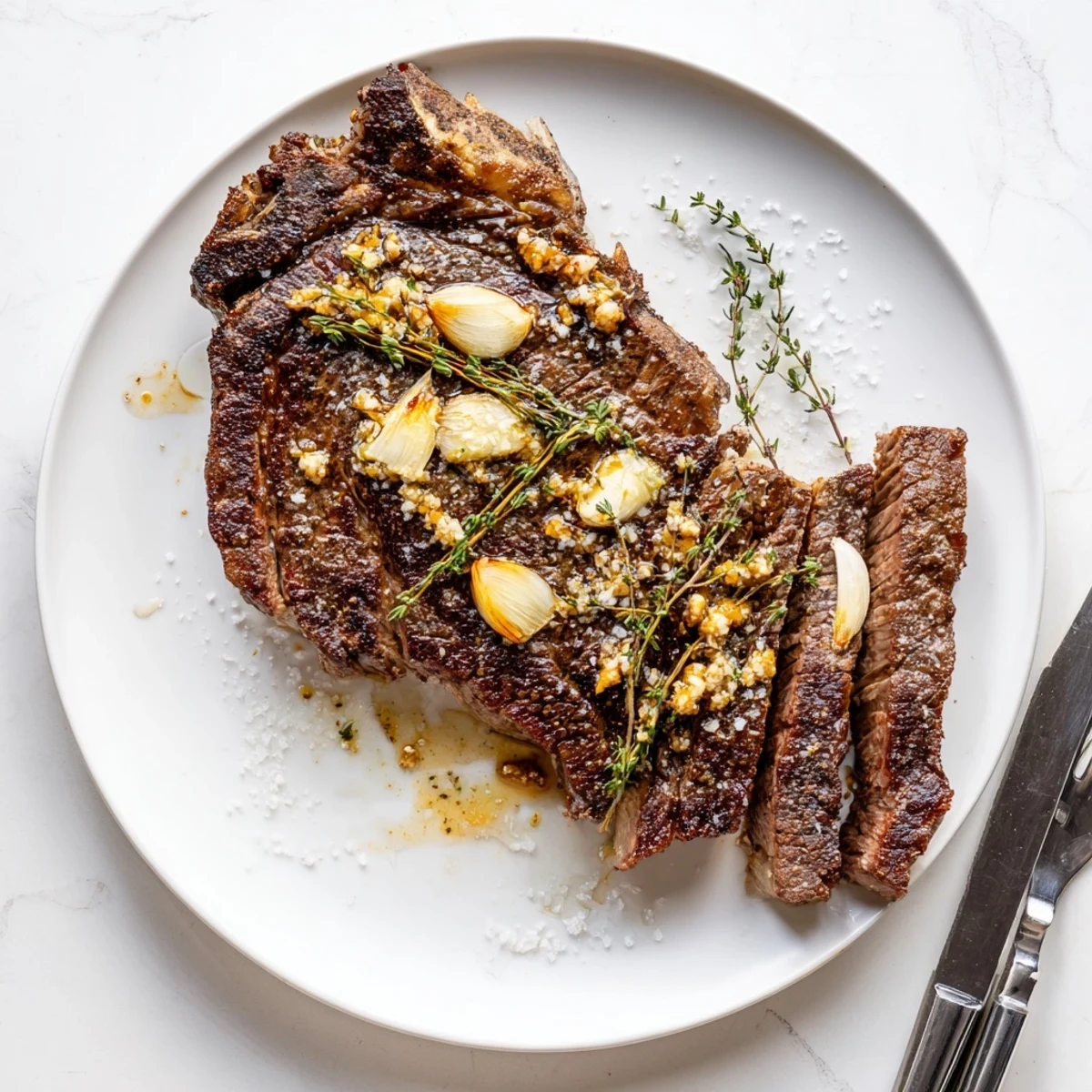
Save There's something deeply satisfying about cooking a perfect steak at home, knowing you didn't need expensive equipment or years of culinary school to create something restaurant worthy. Just good ingredients, a hot pan, and a little bit of patience.
Common Recipe Questions
- → What thickness of ribeye works best?
-
Ribeye steaks at least 1–1.5 inches thick deliver optimal results. Thicker cuts develop a beautiful crust while maintaining a juicy center without overcooking.
- → Why bring steak to room temperature first?
-
Letting steaks rest at room temperature for 30 minutes ensures even cooking. Cold meat sears unevenly, leading to gray outer bands before the center reaches desired doneness.
- → How do I know when the steak is done?
-
Use a meat thermometer for accuracy. Medium-rare reaches 125°F/52°C, medium 130°F/54°C. The touch test also works—rare feels soft like your cheek, medium-rare like your chin.
- → Can I use dried herbs instead of fresh?
-
Fresh thyme and rosemary provide superior flavor, but dried herbs work in a pinch. Use one-third the amount of dried herbs and add them earlier to allow flavors to bloom.
- → Why rest the steak after cooking?
-
Resting for 5 minutes allows juices to redistribute throughout the meat. Cutting immediately releases flavorful moisture, leaving you with a drier steak.
- → What sides pair well with this ribeye?
-
Roasted vegetables, mashed potatoes, or a crisp green salad complement the rich flavors. The garlic butter also pairs beautifully with crusty bread for dipping.