
 Save
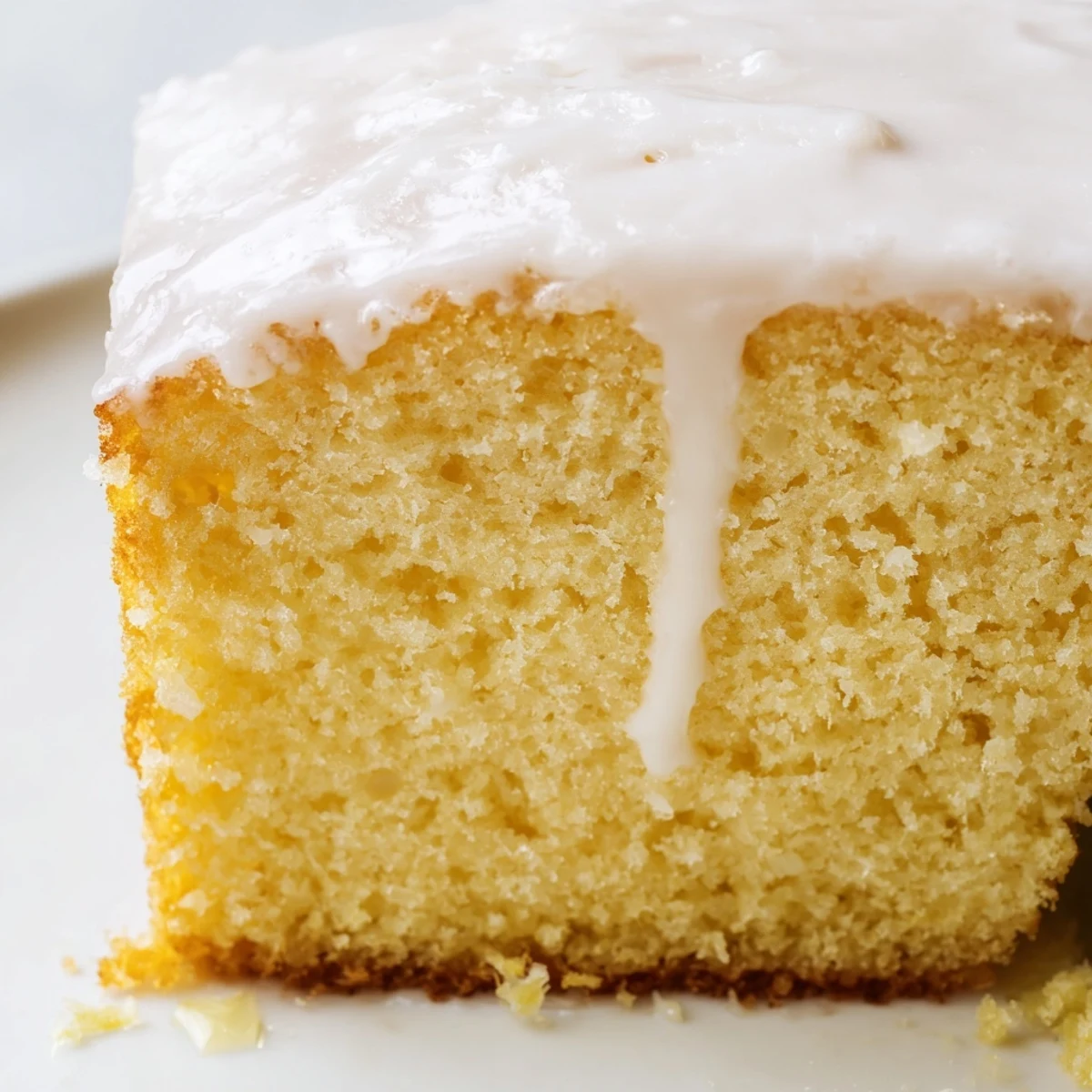
Save This beloved community dessert features a tender, buttery vanilla sponge baked in a simple 9x13 pan and topped with a sweet vanilla glaze. The buttermilk ensures exceptional moisture while keeping preparation straightforward. Perfect for potlucks, fellowship hours, and family celebrations, this crowd-pleasing dessert yields twelve generous servings and comes together in under an hour.
Every church potluck has that one dessert that disappears first, and in our congregation, it was always Mrs. Henderson's cake. I remember being eight years old, watching her carry that 9x13 pan through the fellowship hall doors, the vanilla scent hitting me before she even made it to the table. The glaze would still be glistening, catching the fluorescent lights, and somehow that simple cake felt like the most elegant thing in the world. She finally handed me the recipe on a stained index card when I left for college, and I've been making it ever since.
I baked this for my daughter's kindergarten class last spring, and one little boy asked if I could make it for his birthday too. His mom messaged me later that evening saying he'd talked about 'that vanilla cake' the entire car ride home. There's something about this recipe that just makes people feel cared for, like a hug in cake form.
Ingredients
- 2 1/2 cups all-purpose flour: The foundation that gives this cake its tender crumb
- 2 tsp baking powder and 1/2 tsp baking soda: Together they create the perfect rise without making the cake taste metallic
- 1/2 tsp salt: Don't skip this, it balances the sweetness and brings out the vanilla
- 1 cup unsalted butter, softened: Room temperature butter creates the best texture, so set it out about an hour before baking
- 1 3/4 cups granulated sugar: This amount sweetens perfectly without overwhelming the subtle vanilla flavor
- 3 large eggs: Also at room temperature, they emulsify better into the batter
- 1 tbsp vanilla extract: Use the good stuff here, it's the star of the show
- 1 cup buttermilk: The secret weapon that makes this cake incredibly moist and tender
- 1 1/2 cups powdered sugar: For the glaze that makes it look like you spent hours on it
- 2–3 tbsp milk: Adjust this to get your glaze to the perfect pouring consistency
- 1/2 tsp vanilla extract: A little extra vanilla in the glaze ties everything together
Instructions
- Get your oven ready:
- Preheat to 350°F and grease a 9x13-inch baking dish, then dust it with flour so the cake releases easily later
- Whisk the dry ingredients:
- In a medium bowl, combine flour, baking powder, baking soda, and salt until well blended
- Cream the butter and sugar:
- Beat them together for about 3 minutes until the mixture is pale and fluffy, scraping the bowl once halfway through
- Add the eggs:
- Drop them in one at a time, letting each egg fully incorporate before adding the next, then mix in the vanilla
- Combine everything:
- Alternate adding the flour mixture and buttermilk, starting and ending with the flour, mixing just until combined
- Bake to golden perfection:
- Spread the batter evenly and bake for 30–35 minutes until a toothpick comes out clean
- Cool completely:
- Let it rest in the pan for 15 minutes, then move to a wire rack so it cools evenly
- Make the glaze:
- Whisk powdered sugar, milk, and vanilla until smooth, then drizzle over the cooled cake and let it set before serving
 Save
Save Last Christmas, my neighbor lost her mother and I didn't know what to say, so I just showed up with this cake still warm from the oven. We sat at her kitchen table and ate it with coffee while she told stories about her mother's own church cake recipes. Sometimes food says what words can't.
Making It Your Own
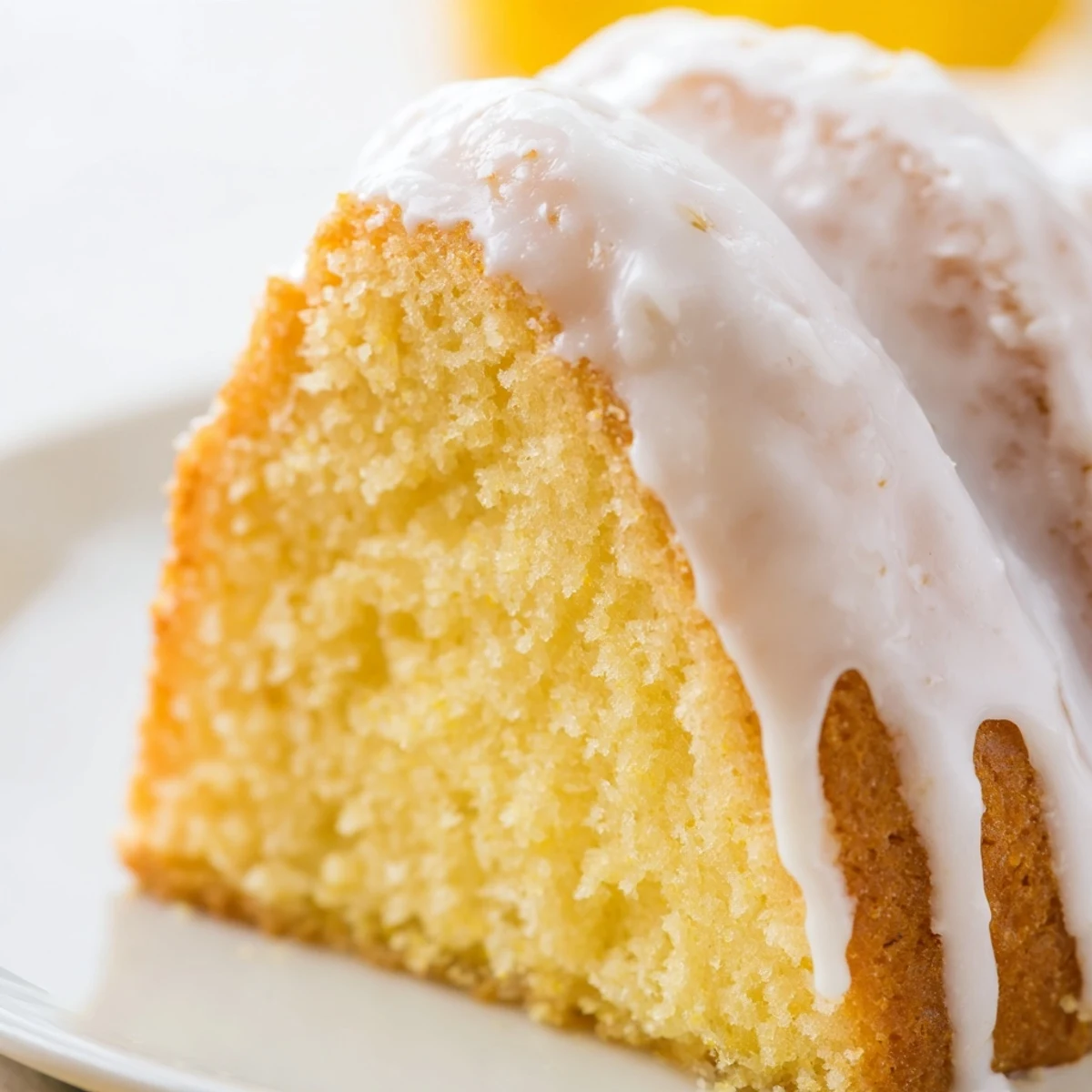
Once you've mastered the base recipe, try adding fresh lemon zest to the batter for a bright twist that's perfect for spring gatherings. The citrus cuts through the sweetness just enough and makes the kitchen smell incredible while it bakes.
The Buttermilk Secret
If you don't have buttermilk on hand, mix one tablespoon of lemon juice into regular milk and let it sit for five minutes. I've used this trick countless times when I'm halfway through a recipe and realize I'm out of buttermilk, and it works every single time.
Serving Suggestions
This cake travels beautifully and actually tastes better on the second day, making it perfect for make-ahead situations. I love bringing it to brunches, baby showers, and those church potlucks where everyone's wondering what dessert to贡献.
- Warm individual slices for 15 seconds in the microwave before serving
- Serve with fresh berries on the side for color contrast
- Store covered at room temperature for up to three days
 Save
Save I hope this recipe becomes part of your own story, whether it's for church potlucks, school functions, or just a Tuesday night when you need something sweet. That's what Mrs. Henderson would have wanted.
Common Recipe Questions
- → What makes church cake different from regular vanilla cake?
-
Church cake stands out for its exceptionally moist texture, achieved through buttermilk and a careful creaming method. The 9x13 pan size and simple glaze make it ideal for serving large groups at community gatherings and potlucks.
- → Can I make church cake ahead of time?
-
Yes, bake the cake up to two days in advance. Store uncovered at room temperature once glazed, or wrap the unglazed cake tightly and add the glaze within 24 hours of serving.
- → What if I don't have buttermilk?
-
Create a quick substitute by adding one tablespoon of lemon juice or white vinegar to one cup of regular milk. Let it sit for five minutes until slightly thickened before using in the batter.
- → How should I store leftovers?
-
Cover the pan tightly with plastic wrap or aluminum foil. The cake stays fresh at room temperature for up to three days, though the glaze may soften slightly over time.
- → Can I freeze church cake?
-
Freeze the unglazed cake by wrapping it completely in plastic and foil for up to three months. Thaw overnight at room temperature, then prepare and add the glaze before serving.
- → Why is it called church cake?
-
This dessert earned its name from its popularity at church fellowship hours, potlucks, and community gatherings. The simple ingredients, easy preparation, and ability to feed a crowd make it a staple for sharing.